Best 30 Cloud Workload Protection Platforms products
What is Cloud Workload Protection Platforms?
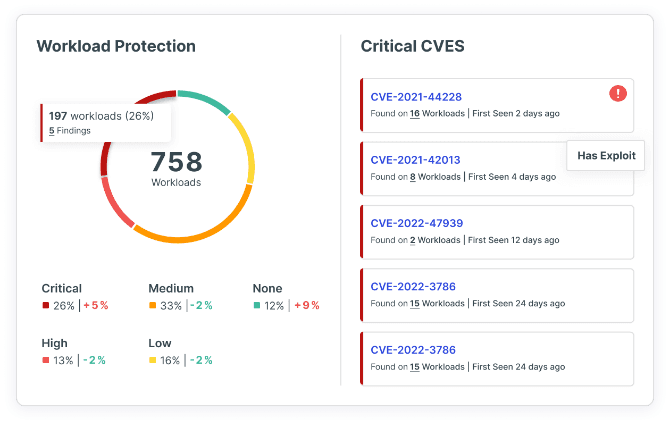
Cloud Workload Protection Platforms (CWPP) are specialized security solutions designed to protect workloads running in cloud environments, including VMs, containers, and serverless functions. They provide visibility and control to safeguard cloud workloads from attacks and vulnerabilities.
What are the top 10 Security Software products for Cloud Workload Protection Platforms?
Newest Cloud Workload Protection Platforms Products
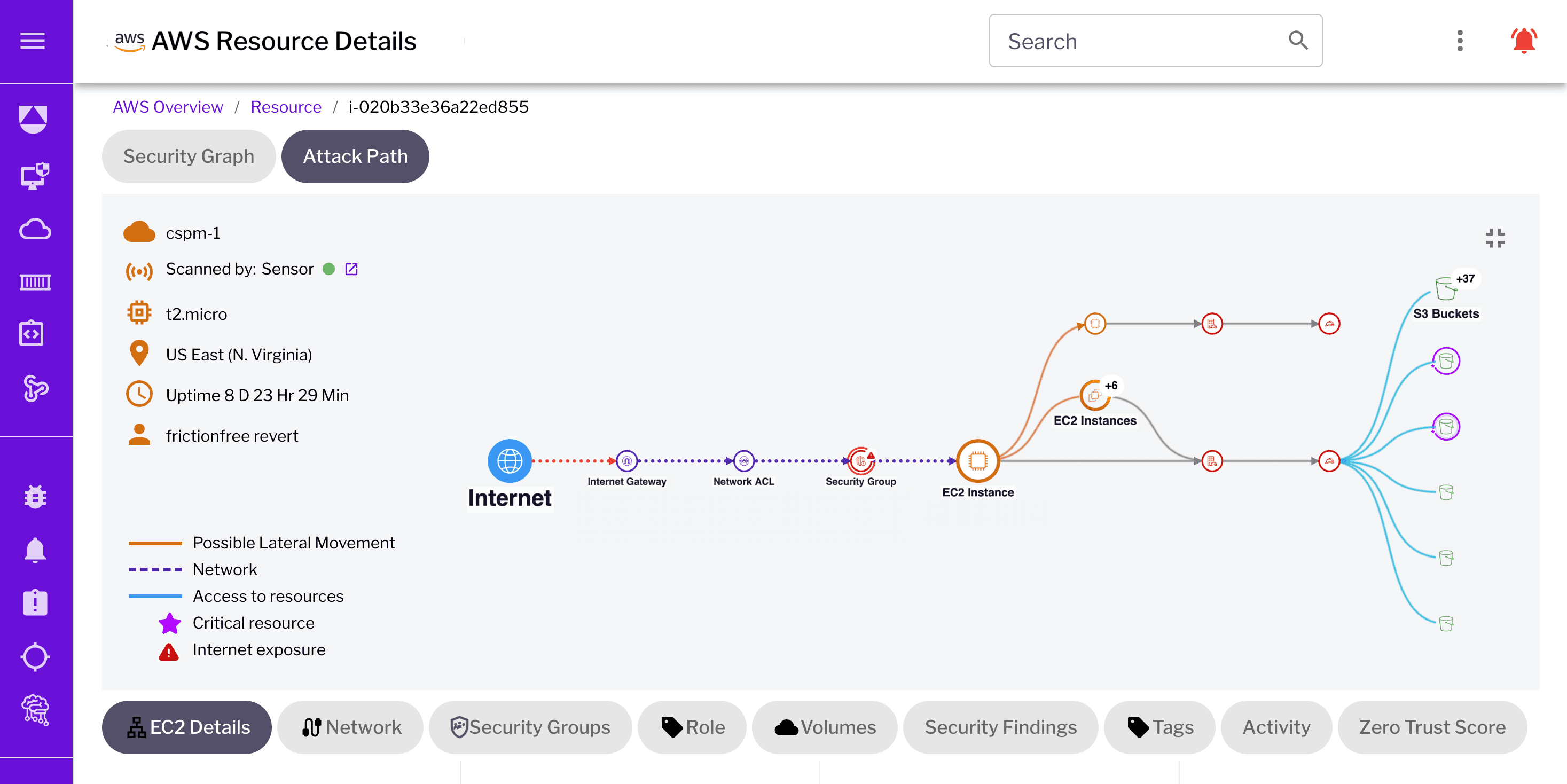
Cloud Workload Protection Platforms Core Features
- Runtime protection and behavioral monitoring
- Vulnerability management and patching
- Threat detection and response
- Support for containers and serverless
- Integration with cloud-native and DevOps tools
Advantages of Cloud Workload Protection Platforms?
- Provides deep workload-level security
- Supports diverse cloud workload types
- Enhances threat visibility and detection
- Integrates with DevOps pipelines
- Helps meet compliance requirements
Who is suitable to use Cloud Workload Protection Platforms?
Cloud security teams, DevOps engineers, and organizations deploying workloads in cloud or hybrid environments.
How does Cloud Workload Protection Platforms work?
CWPPs deploy agents or use APIs to monitor workloads in real-time, analyzing application behavior, detecting threats, and enforcing security policies. They work closely with cloud platforms to secure workloads across different stages of deployment and operation.
FAQ about Cloud Workload Protection Platforms?
Do CWPPs support containerized workloads?
Yes, many CWPPs are built to protect containers, serverless functions, and traditional VMs.
Can CWPPs prevent zero-day attacks?
They improve detection of suspicious behaviors, reducing risk, but no solution can fully prevent zero-day exploits alone.
Are CWPPs difficult to integrate with DevOps workflows?
Most modern CWPPs provide APIs and automation features to fit seamlessly into DevOps practices.
Is runtime protection included in CWPPs?
Yes, runtime protection is a key feature to detect and block threats during workload execution.
How do CWPPs differ from CSPM tools?
CWPPs focus on securing workloads themselves, while CSPM targets cloud infrastructure and configurations.