Best 3 Data Observability Software products
What is Data Observability Software?
Data Observability Software monitors the health, quality, and reliability of data pipelines and systems. It gives real-time insights into data issues, helping teams detect, troubleshoot, and fix problems fast before they impact business operations.
What are the top 10 IT Management Software products for Data Observability Software?
Newest Data Observability Software Products
Data Observability Software Core Features
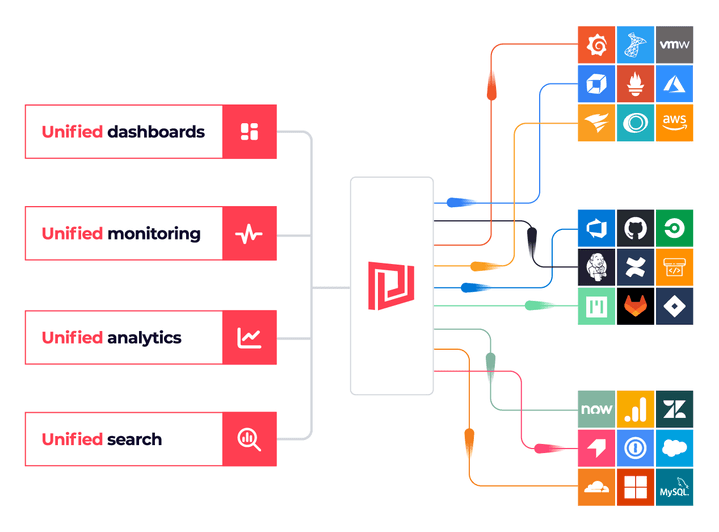
- Continuous data quality monitoring
- Anomaly detection and alerts
- Root cause analysis tools
- Data lineage visualization
- Integration with data warehouses and BI tools
Advantages of Data Observability Software?
- Reduces downtime caused by data issues
- Increases trust in data accuracy
- Speeds up troubleshooting
- Improves data pipeline transparency
- Enables proactive data management
Who is suitable to use Data Observability Software?
Data engineers, Analytics teams, IT operations, Data quality managers, Companies relying heavily on data-driven decisions.
How does Data Observability Software work?
This software continuously collects metadata and statistics from data flows and storage. It analyzes patterns to detect anomalies or failures, then sends alerts to stakeholders. By providing detailed lineage and impact analysis, it helps quickly pinpoint where and why data problems occurred.
FAQ about Data Observability Software?
Is data observability the same as data monitoring?
It’s similar but observability is broader, focusing on understanding system health and root causes, not just alerts.
Can it detect subtle data quality issues?
Yes, advanced tools use machine learning to spot even small deviations from normal patterns.
How hard is it to set up data observability software?
Setup can vary; integrations with existing pipelines might need some effort but are usually straightforward.
Does it work with cloud and on-prem data sources?
Most modern tools support hybrid environments, covering both cloud and on-prem systems.
Will it replace manual data quality checks?
It automates most monitoring but manual checks might still be needed for complex validations.