Best 6 Internal Developer Platforms products
What is Internal Developer Platforms?
Internal Developer Platforms are software solutions that provide developers within an organization a unified environment to build, test, deploy, and manage applications. They streamline workflows and help teams collaborate efficiently by centralizing tools and resources.
What are the top 10 Development Software products for Internal Developer Platforms?
Newest Internal Developer Platforms Products
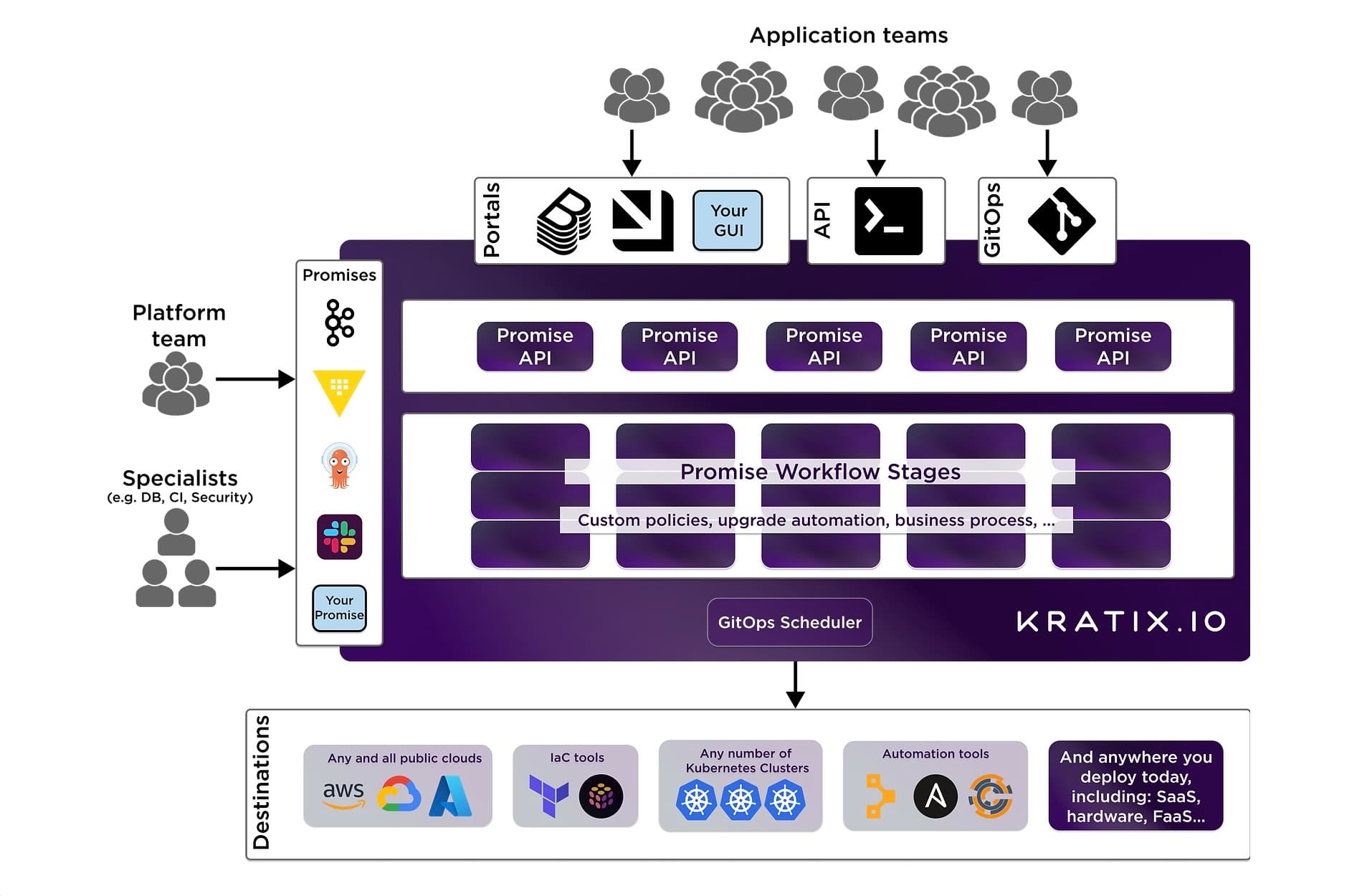
Internal Developer Platforms Core Features
- Centralized tooling for development and deployment
- Automated workflows for CI/CD
- Role-based access control
- Integration with cloud and on-prem infrastructure
- Real-time monitoring and troubleshooting support
Advantages of Internal Developer Platforms?
- Speeds up development cycles
- Reduces context switching for developers
- Improves collaboration across teams
- Enhances security via role-based permissions
- Simplifies infrastructure management
Who is suitable to use Internal Developer Platforms?
Software development teams, DevOps engineers, and IT departments looking to improve developer productivity and reduce deployment complexities.
How does Internal Developer Platforms work?
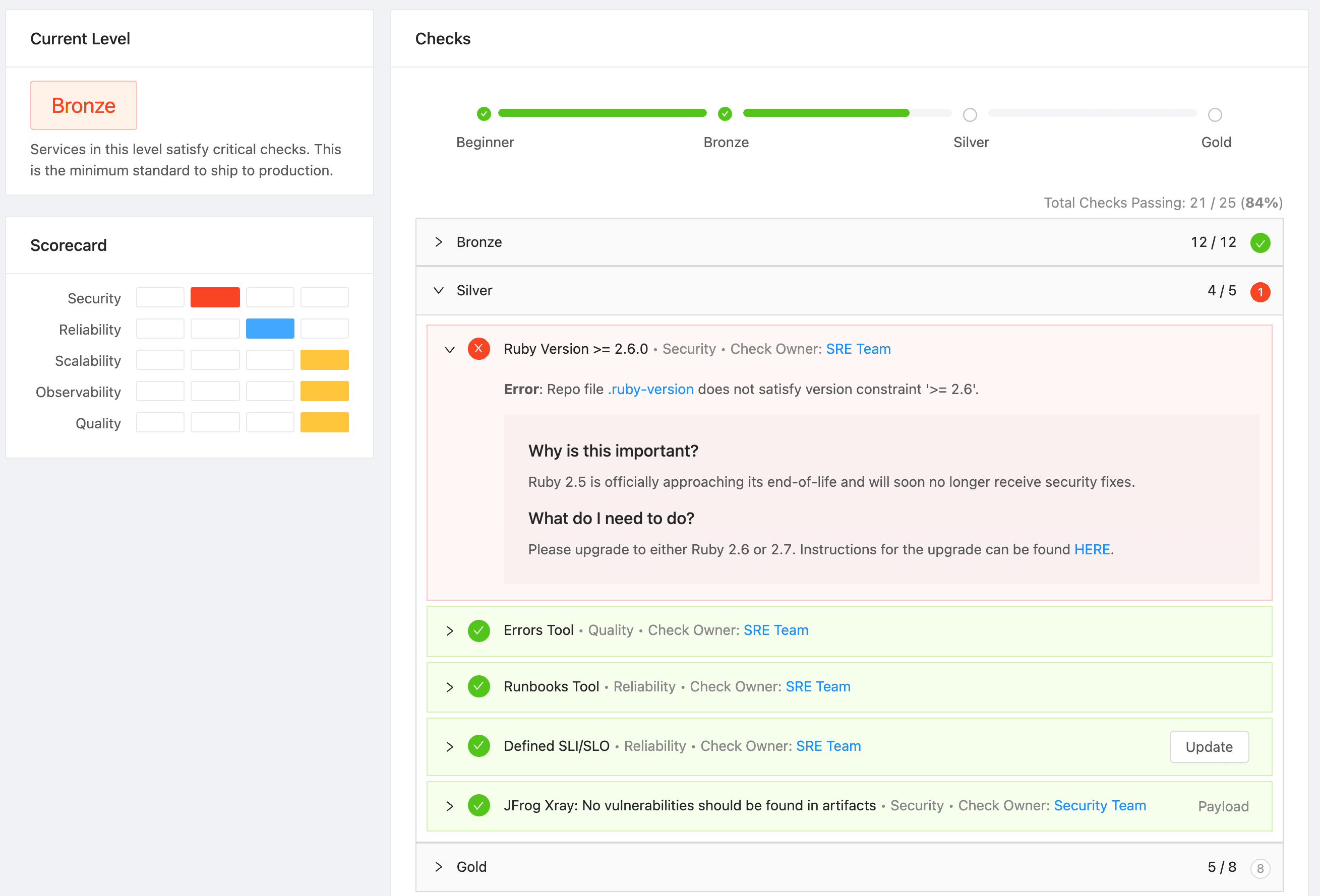
These platforms integrate with existing development tools and infrastructure, offering a dashboard where developers can perform all necessary tasks like coding, testing, and deploying. They automate repetitive processes and provide visibility into app status, allowing faster and more reliable releases.
FAQ about Internal Developer Platforms?
What benefits do Internal Developer Platforms offer over traditional setups?
They centralize and automate processes, reducing manual work and speeding up development and deployment.
Can these platforms integrate with existing tools?
Yes, they usually support integrations with popular CI/CD tools, cloud providers, and version control systems.
Are Internal Developer Platforms suitable for small teams?
While beneficial, they are typically more useful for mid to large teams where collaboration and scalability are key.
Do they support multi-cloud environments?
Many platforms offer support for multi-cloud deployments to increase flexibility.
Is special training required to use these platforms?
Basic understanding of development and deployment is enough, though some platforms offer training for advanced features.