Best 4 Large Language Model Operationalization (LLMOps) Software products
What is Large Language Model Operationalization (LLMOps) Software?
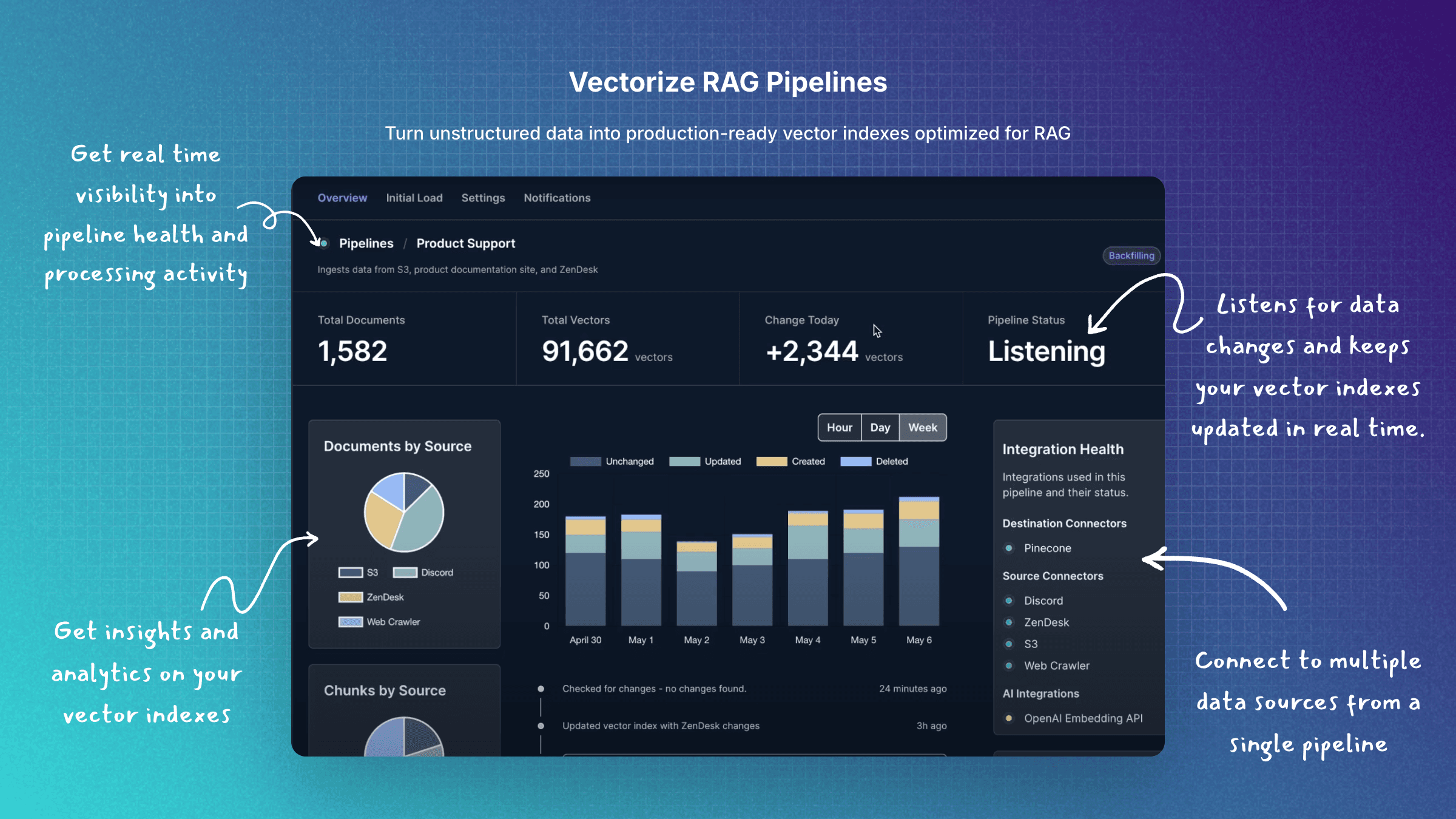
LLMOps software is focused on managing, deploying, monitoring, and maintaining large language models in production environments, ensuring they run efficiently and safely at scale.
What are the top 10 Artificial Intelligence Software products for Large Language Model Operationalization (LLMOps) Software?
Newest Large Language Model Operationalization (LLMOps) Software Products
Large Language Model Operationalization (LLMOps) Software Core Features
- Model deployment automation
- Performance monitoring
- Version control
- Security and governance
- Feedback loops for continuous improvement
Advantages of Large Language Model Operationalization (LLMOps) Software?
- Streamlines deployment process
- Improves model reliability
- Enhances scalability
- Ensures compliance and security
- Facilitates ongoing optimization
Who is suitable to use Large Language Model Operationalization (LLMOps) Software?
Organizations deploying large language models, ML engineers, AI ops teams, product managers handling NLP products.
How does Large Language Model Operationalization (LLMOps) Software work?
LLMOps platforms provide tools to deploy models as APIs or services, monitor their outputs and performance in real time, manage different model versions, and implement safeguards against misuse or degradation over time.
FAQ about Large Language Model Operationalization (LLMOps) Software?
Why is operationalizing large language models challenging?
Because LLMs require huge resources and constant monitoring to keep performance and safety in check.
Can LLMOps software handle multiple models at once?
Yes, most solutions support managing several models and versions simultaneously.
Does it include tools for debugging model outputs?
Often, yes. It helps identify unexpected behaviors or errors in real time.
Is LLMOps suitable for small startups?
Depends on scale, but some offerings are tailored for smaller teams with simpler workflows.
How does it help with compliance?
It offers logging, governance controls, and sometimes bias detection to meet regulatory needs.