Best 10 User Research Repositories products
What is User Research Repositories?
User Research Repositories are platforms or tools where teams can collect, store, and organize qualitative and quantitative user research data in a centralized location. They help preserve insights, making it easier for product teams to reference and act on user feedback.
What are the top 10 Development Software products for User Research Repositories?
Newest User Research Repositories Products
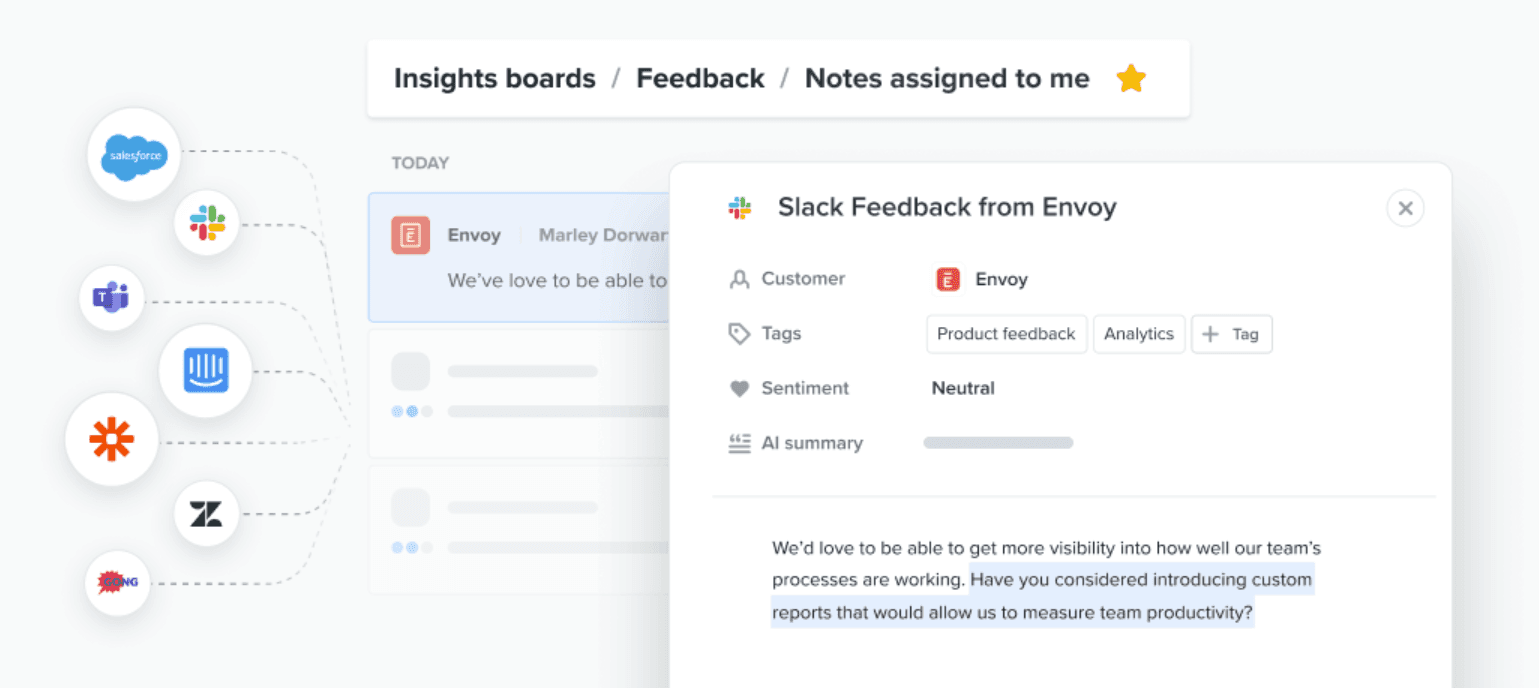
User Research Repositories Core Features
- Centralized storage of user interviews
- surveys
- and usability tests
- Tagging and categorization for easy search
- Collaboration features for teams
- Integration with other UX and product tools
- Data visualization and summary reports
Advantages of User Research Repositories?
- Prevents loss of valuable user insights
- Enhances cross-team collaboration
- Speeds up research analysis
- Facilitates data-driven decision making
- Keeps research organized and accessible
Who is suitable to use User Research Repositories?
UX researchers, product managers, designers, and anyone involved in user-centered product development.
How does User Research Repositories work?
Researchers upload transcripts, notes, recordings, and survey data into the repository. The platform enables tagging, linking insights, and searching across projects. Teams collaborate to analyze trends and share findings to inform design and development decisions.
FAQ about User Research Repositories?
Can these repositories store video and audio files?
Yup, most support uploading various media formats related to user research.
Is it easy to share research findings with stakeholders?
Yeah, many tools have sharing options like reports and customizable views.
Do these tools support collaboration?
Absolutely, co-commenting and annotations are commonly supported.
Can I integrate these repositories with survey platforms?
Many offer integrations or easy import options from popular survey tools.
Are there templates for organizing different research types?
Usually yes, templates help standardize how data is stored and viewed.