Best 13 Predictive Maintenance Software products
What is Predictive Maintenance Software?
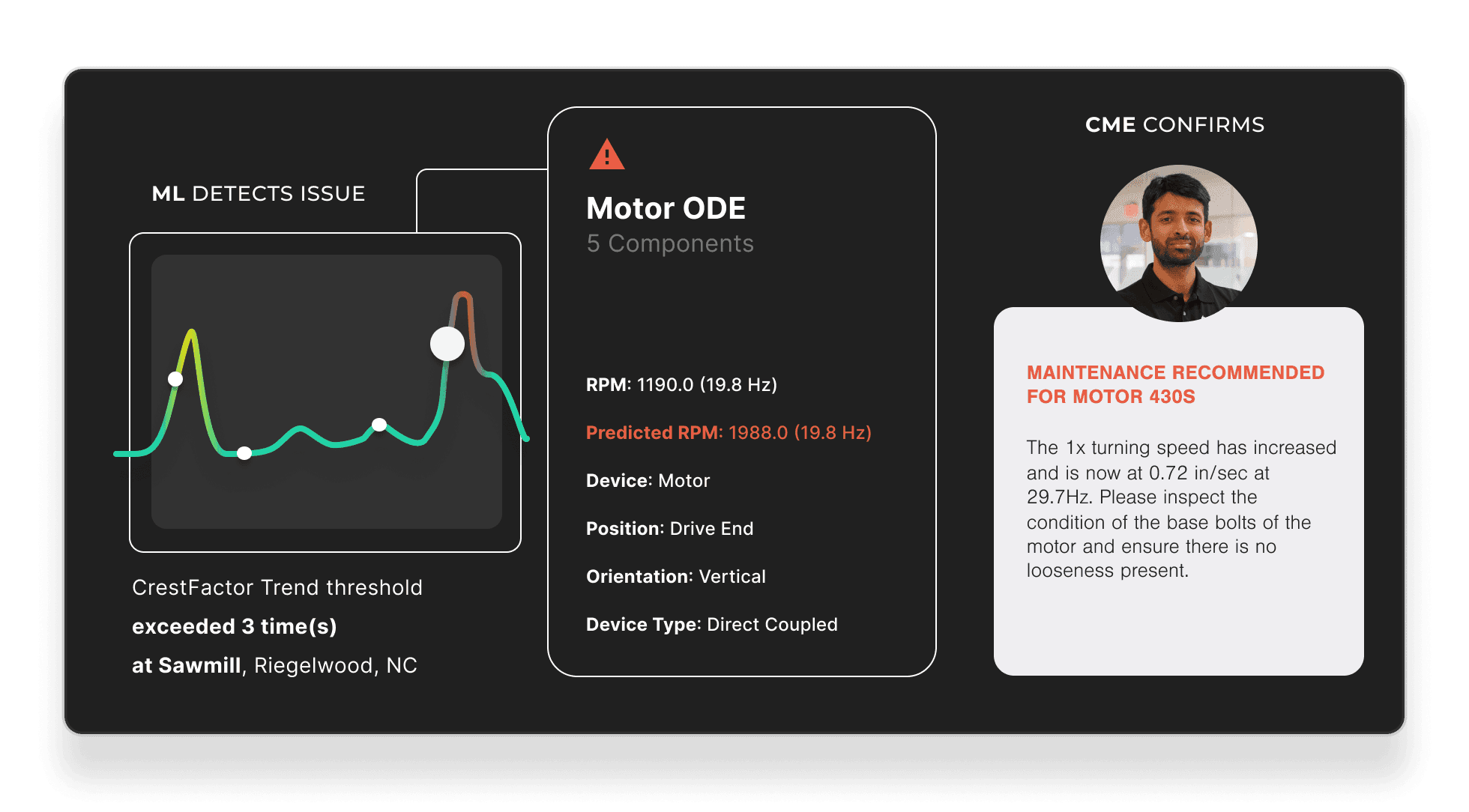
Predictive Maintenance Software uses data analytics and IoT sensors to predict when equipment might fail or need maintenance before breakdown happens. It’s a smart approach to maintenance that reduces downtime and saves costs by fixing issues proactively.
What are the top 10 ERP Software products for Predictive Maintenance Software?
Newest Predictive Maintenance Software Products
Predictive Maintenance Software Core Features
- Real-time condition monitoring
- Data analytics and machine learning
- Failure prediction alerts
- Integration with sensors and IoT devices
- Maintenance scheduling automation
Advantages of Predictive Maintenance Software?
- Reduces unexpected equipment failures
- Optimizes maintenance schedules
- Lowers repair costs by early detection
- Increases equipment lifespan
- Improves overall operational efficiency
Who is suitable to use Predictive Maintenance Software?
Manufacturing plants, energy companies, transportation fleets, and industries relying on heavy machinery.
How does Predictive Maintenance Software work?
Sensors collect data from equipment such as vibration, temperature, and pressure. The software analyzes this data using algorithms to detect patterns indicating wear or impending failures. It then alerts maintenance teams to schedule repairs before actual breakdowns occur, minimizing downtime.
FAQ about Predictive Maintenance Software?
What kind of sensors are used in predictive maintenance?
Common ones include vibration sensors, temperature sensors, and acoustic sensors.
Is special hardware needed for predictive maintenance?
Yes, IoT devices or sensors are typically installed on equipment to gather data.
Can predictive maintenance work for small businesses?
It can, but it's more common in industries with costly or critical machinery.
How accurate are failure predictions?
Accuracy depends on data quality and algorithms but tends to improve over time.
Does predictive maintenance replace regular inspections?
No, it complements them by providing additional data-driven insights.