
Atacms missile attack: Ukraine hits military facilities in Russia
Content
Key Insights
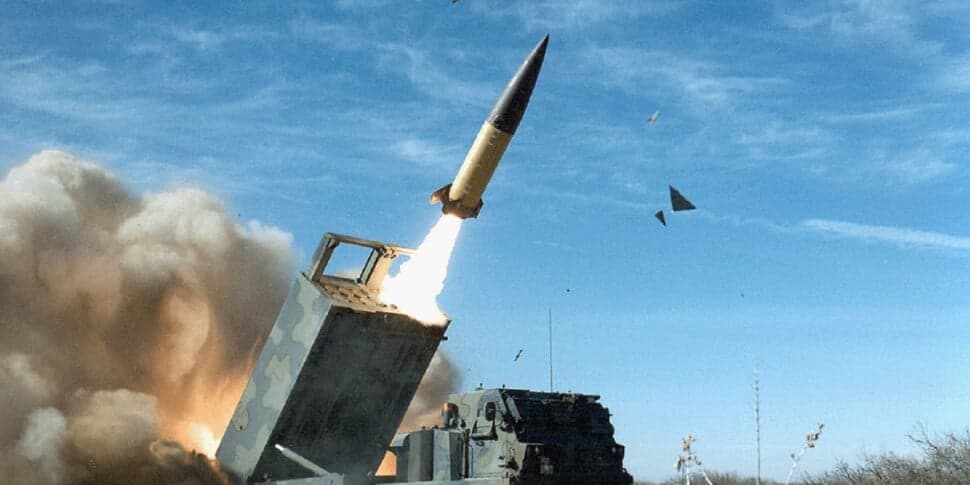
The core facts extracted from the event include the Ukrainian Armed Forces’ use of US-supplied ATACMS missiles to target Russian military facilities, marking a historic operational milestone, with the strike occurring on Russian soil and covered by the Ukrainian General Staff and Ukrinform.
The principal stakeholders directly involved are Ukraine’s military forces and the Russian military, while indirectly, US defense suppliers and the broader geopolitical community are also impacted.
Immediate consequences involve a shift in the conflict’s tactical dynamics, with Ukraine enhancing its long-range strike capabilities, potentially forcing Russia to reconsider its defensive posture.
Historically, this situation parallels the introduction of advanced missile systems during past conflicts, such as the use of precision-guided munitions in the Gulf War, where new weapon tech redefined engagement strategies and escalation risks.
Looking ahead, optimistic scenarios envision further innovation and integration of advanced weaponry improving defensive resilience, while risk scenarios highlight potential escalation leading to broader regional instability.
From the perspective of a military strategist, three recommendations emerge: first, prioritize intelligence gathering to optimize missile strike effectiveness (moderate complexity, high impact); second, enhance electronic warfare countermeasures to protect missile assets (high complexity, critical impact); third, strengthen diplomatic channels to manage escalation risks (lower complexity, significant outcome).
This analysis underscores the verified fact of Ukraine’s milestone strike with ATACMS and projects that while technological advancements offer strategic advantages, they also necessitate careful risk management to prevent unintended conflict intensification.