
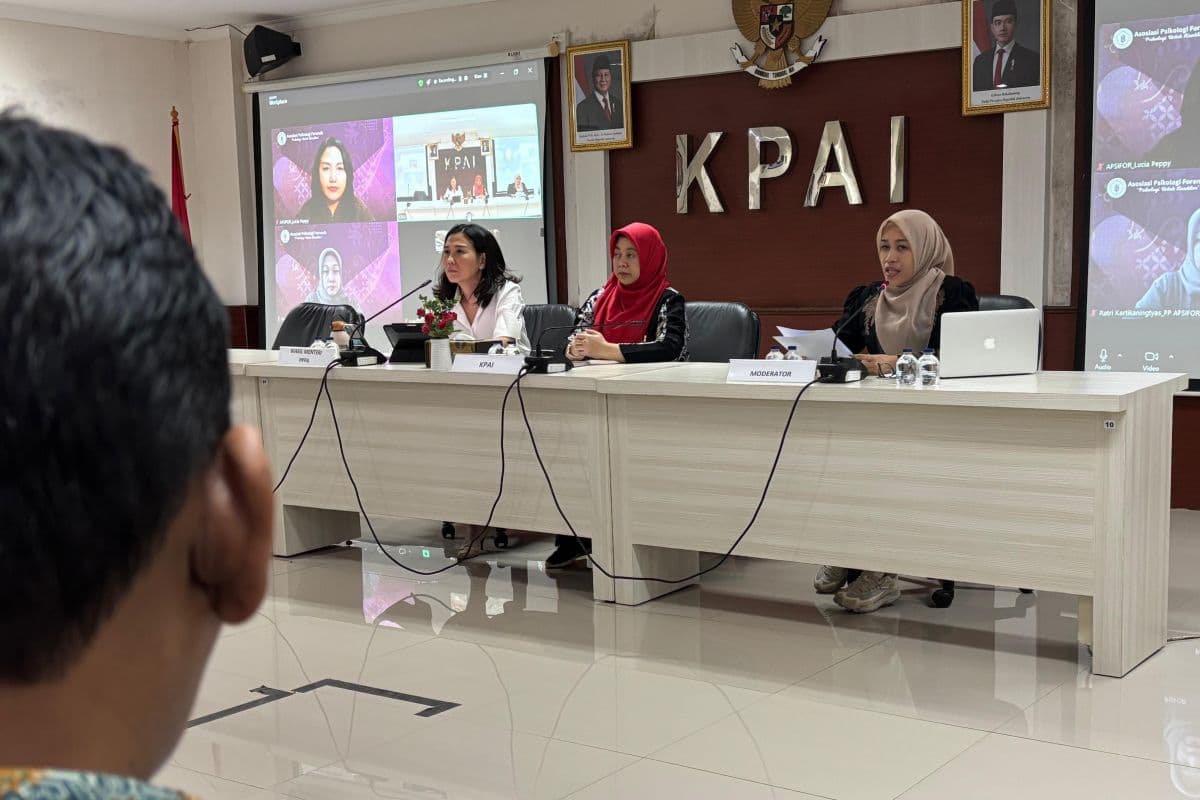
Indonesia urges protection for children in legal conflicts
Content
Key Insights
The core facts extracted from the report include the Indonesian Child Protection Commission’s urgent appeal to safeguard children involved in legal matters, emphasizing their psychological vulnerabilities; the legal framework mandating protection of these children's identities; and the collective responsibility shared by the government, media, and society.
The stakeholders directly involved are children facing legal conflicts, legal authorities, media practitioners, government bodies like the Ministry for Women’s Empowerment and Child Protection, and educational institutions.
Indirectly affected groups include families of these children and communities where these children live.
Immediate impacts involve increased trauma and psychological stress among affected children, with media narratives playing a critical role in either alleviating or worsening these conditions.
Historical parallels can be drawn with similar child protection initiatives during past high-profile legal cases involving minors where media exposure was carefully regulated to minimize harm.
Looking ahead, optimistic scenarios suggest enhanced media literacy and stricter enforcement of protection laws could foster safer environments for vulnerable children.
Conversely, risks persist if viral content and negligent reporting continue unchecked, potentially reinforcing cycles of victimization and criminality.
From the perspective of a regulatory authority, three key recommendations emerge: first, enforce stringent compliance monitoring for media outlets on child identity protection (high priority, moderate complexity); second, develop targeted training programs for journalists on ethical reporting involving children (medium priority, low complexity); and third, establish a cross-sector task force to oversee public communication strategies in sensitive cases (high priority, high complexity).
These steps are critical to improving outcomes and safeguarding children’s rights in legal contexts.