
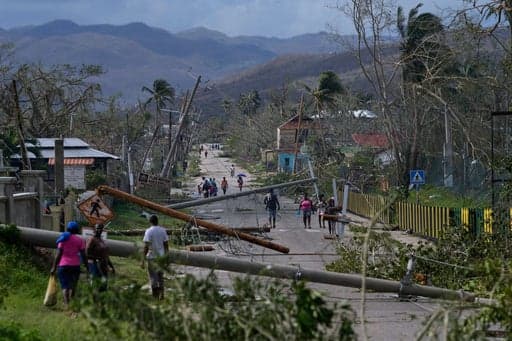
US is sending dozens of relief workers to help with fallout from Hurricane Melissa
Content
Key Insights
The core facts include the deployment of dozens of U.S. disaster relief workers and specialized search and rescue teams to Caribbean nations affected by Hurricane Melissa within 24 to 48 hours; the hurricane's severe impact on Jamaica, Cuba, Haiti, and the Bahamas; and planned coordination from bases in Jamaica, the Bahamas, and the Dominican Republic.
Key stakeholders directly involved are U.S. federal agencies, local governments, and relief teams, while indirectly affected groups include displaced populations and American expatriates in the region.
Immediate consequences involve disrupted infrastructure, loss of life, and urgent humanitarian needs such as shelter and sanitation.
Historically, the U.S. response bears resemblance to disaster relief efforts during Hurricane Matthew in 2016, where rapid deployment and military support were critical to mitigating human suffering.
Optimistically, innovations in disaster logistics and coordination could enhance future response efficiency, but risks remain from potential funding gaps and logistical challenges, especially with shifts in U.S. aid management structures.
From a regulatory authority perspective, three prioritized actions would be: firstly, streamline interagency communication protocols to ensure cohesive operations; secondly, secure dedicated funding streams to guarantee timely payment and resources for deployed teams; and thirdly, enhance data collection on affected populations, including expatriates, to optimize evacuation and aid distribution.
These steps balance feasible implementation with significant impact on improving disaster response outcomes.