
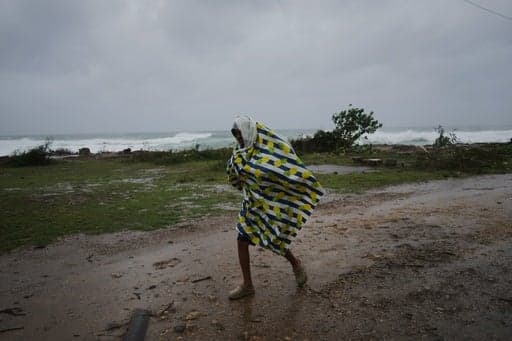
Hurricane Melissa weakens as it churns across Cuba as a Category 2 storm
Content
Key Insights
Key facts include Hurricane Melissa's progression as a Category 2 storm weakening over Cuba after striking Jamaica with record-high winds of 185 mph, causing multiple fatalities and widespread infrastructure damage.
Geographically, the storm affected Jamaica, Cuba, the Bahamas, Haiti, and the Dominican Republic between late October and early November 2025.
Direct stakeholders include residents, government agencies, and emergency response teams in the impacted Caribbean nations, while indirect effects reach regional economies and international aid organizations.
Immediate impacts encompass large-scale evacuations, power outages affecting over half a million in Jamaica, hospital disruptions, and significant flooding and landslides expected in Cuba.
Historical parallels can be drawn with Hurricane Gilbert in 1988, which similarly devastated Jamaica with intense winds and flooding, highlighting challenges in rapid damage assessment and emergency coordination.
Looking forward, there are opportunities to enhance early warning systems and infrastructure resilience in hurricane-prone areas, but risks remain high given ongoing climate variability and resource constraints.
Recommendations for regulatory authorities include prioritizing investment in communication networks to prevent blackout scenarios (high impact, medium complexity), strengthening building codes to withstand severe storms (high impact, high complexity), and expediting coordinated regional disaster response frameworks (medium impact, low complexity).
This approach balances immediate needs with long-term resilience, ensuring preparedness for future cyclone events while addressing current vulnerabilities.