
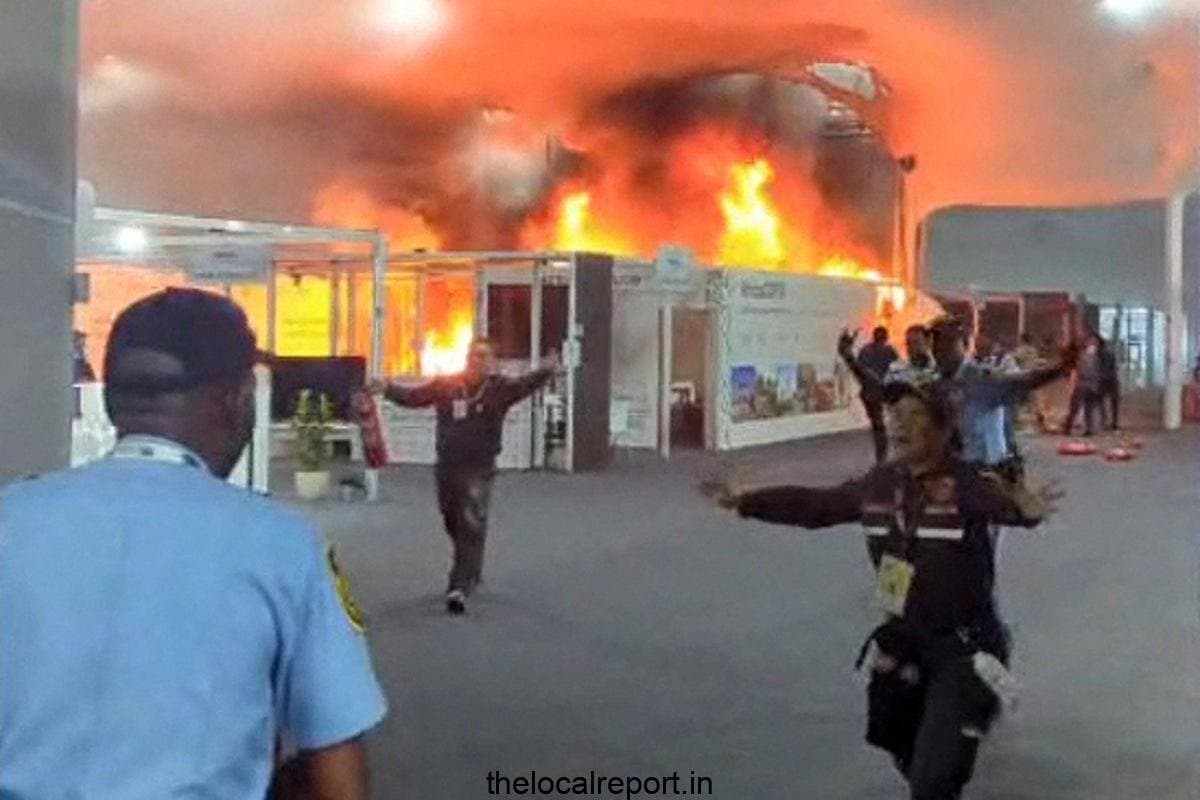
Massive fire in Cop30, 13 people died due to smoke, people evacuated
Content
Key Insights
Key facts from this incident include the outbreak of a fire at the COP30 summit venue in Belém, Brazil, causing thirteen cases of smoke inhalation and necessitating large-scale evacuations.
The fire occurred near the China Pavilion and quickly spread to multiple neighboring pavilions, impacting the conference's delicate schedule with only two days remaining.
Primary stakeholders are the host country Brazil, UNFCCC officials, participating countries, and conference attendees; secondary stakeholders encompass global communities relying on summit outcomes and local emergency responders.
Immediate impacts included disruption of negotiations and safety concerns, while historically, similar disruptions have occurred at international summits, such as the 2015 COP21 where logistical challenges affected proceedings but did not prevent a landmark agreement.
Looking ahead, there is potential for the summit to innovate emergency protocols and infrastructure resilience, but risks remain around delayed or weakened climate commitments if disruptions persist.
From a regulatory perspective, urgent recommendations include strengthening venue electrical safety inspections (high priority, moderate complexity), enhancing emergency evacuation procedures and training (high priority, high complexity), and establishing contingency plans to safeguard critical negotiation timelines (medium priority, moderate complexity), ensuring both attendee safety and summit integrity.