Content
Retail theft has evolved far beyond the simple shoplifting of the past. What was once isolated incidents now includes highly organized retail crime (ORC) networks operating on a larger, more sophisticated scale. U.S. retailers have seen a staggering 93% increase in average annual shoplifting incidents in 2023 compared to 2019, with financial losses rising by 90% during the same period. Going into 2024, over three-quarters of retailers are worried about ORC-driven theft, a problem that's outpacing traditional prevention methods like in-store staff and basic surveillance.
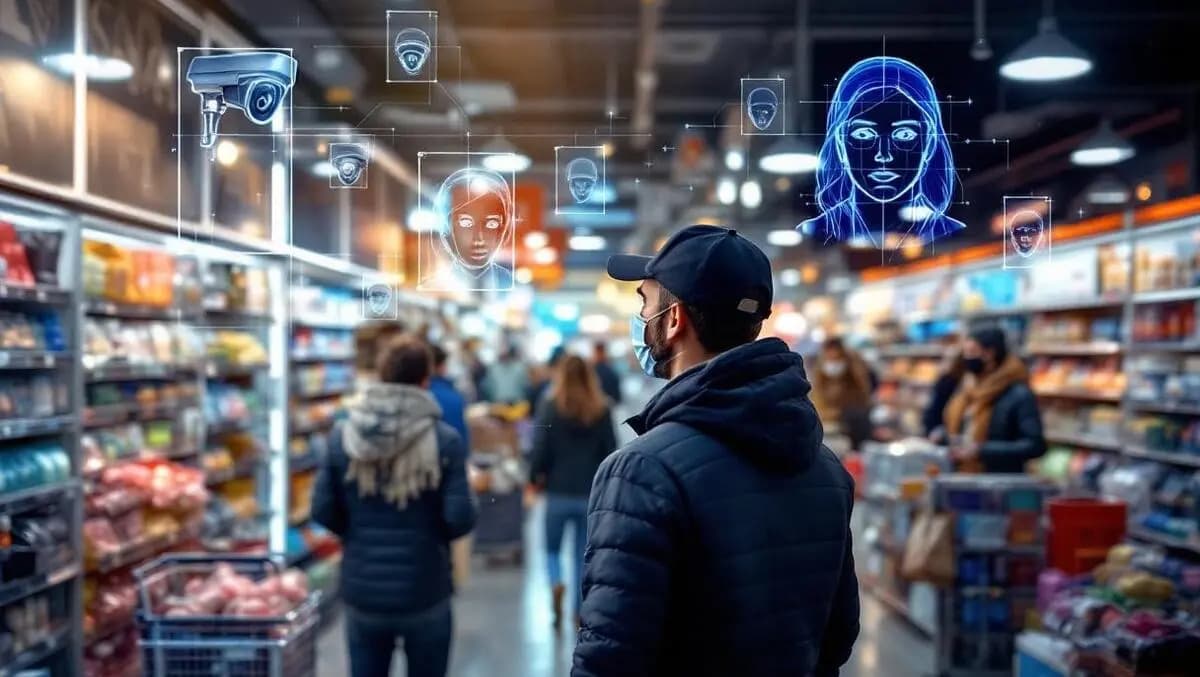
The first step in tackling this growing issue is early detection. Inventory shrinkage, unusual sales patterns, or unexpected changes in foot traffic often hint at theft before it becomes obvious. AI facial recognition is crucial here, instantly flagging known offenders or individuals on watchlists as soon as they enter a store. Modern systems are surprisingly good at identifying faces even if they're partly hidden by masks, hats, or hoods, by cross-referencing past incidents. Alongside this, AI-powered behavioral analytics track suspicious movements — like loitering in blind spots or deliberately avoiding cameras — to catch potential thieves early.
When it comes to investigating retail theft, AI steps up again. Shoplifters and ORC members are savvy; they often mask their identities, switch vehicles, and quickly move stolen merchandise through online marketplaces or flea markets. AI facial recognition systems comb through feeds from multiple cameras, tracking suspects across parking lots, various store areas, and even different store locations. These tools can link suspects to multiple incidents, despite changes in appearance. Behavioral heatmaps reveal patterns too — like groups splitting up on entry and regrouping near exits — which would be nearly impossible for humans to detect live.
Cooperation with law enforcement is another area where AI proves valuable. Retailers can generate automated reports containing video clips, suspect profiles based on facial matches, and logs of suspicious behavior. This streamlines evidence sharing and helps police cross-check suspects against larger criminal databases. Retailers that provide these AI-driven alerts often aid in dismantling theft rings operating regionally or nationally, speeding up prosecutions and serving as a deterrent.
But the process doesn’t end once a theft case closes. Post-investigation analysis helps retailers spot gaps in security and improve loss prevention tactics. By studying behavioral trends and facial recognition data over time, stores can develop predictive models that warn security teams when known offenders show up elsewhere, narrowing the chance for repeat crimes. AI analytics also suggest changes to store layouts, blind spot coverage, and staffing based on what’s been learned, making future thefts harder to pull off.
In summary, retail theft investigations nowadays are less about reacting after the damage is done and more about proactive threat detection and prevention. AI-powered tools like facial recognition, face tracking, and behavioral analysis help retailers identify risks early, track suspects efficiently, support law enforcement with strong evidence, and ultimately prevent losses. By weaving these technologies into their surveillance strategies, retail chains shift from being easy targets to strong defenders of their assets.