Content
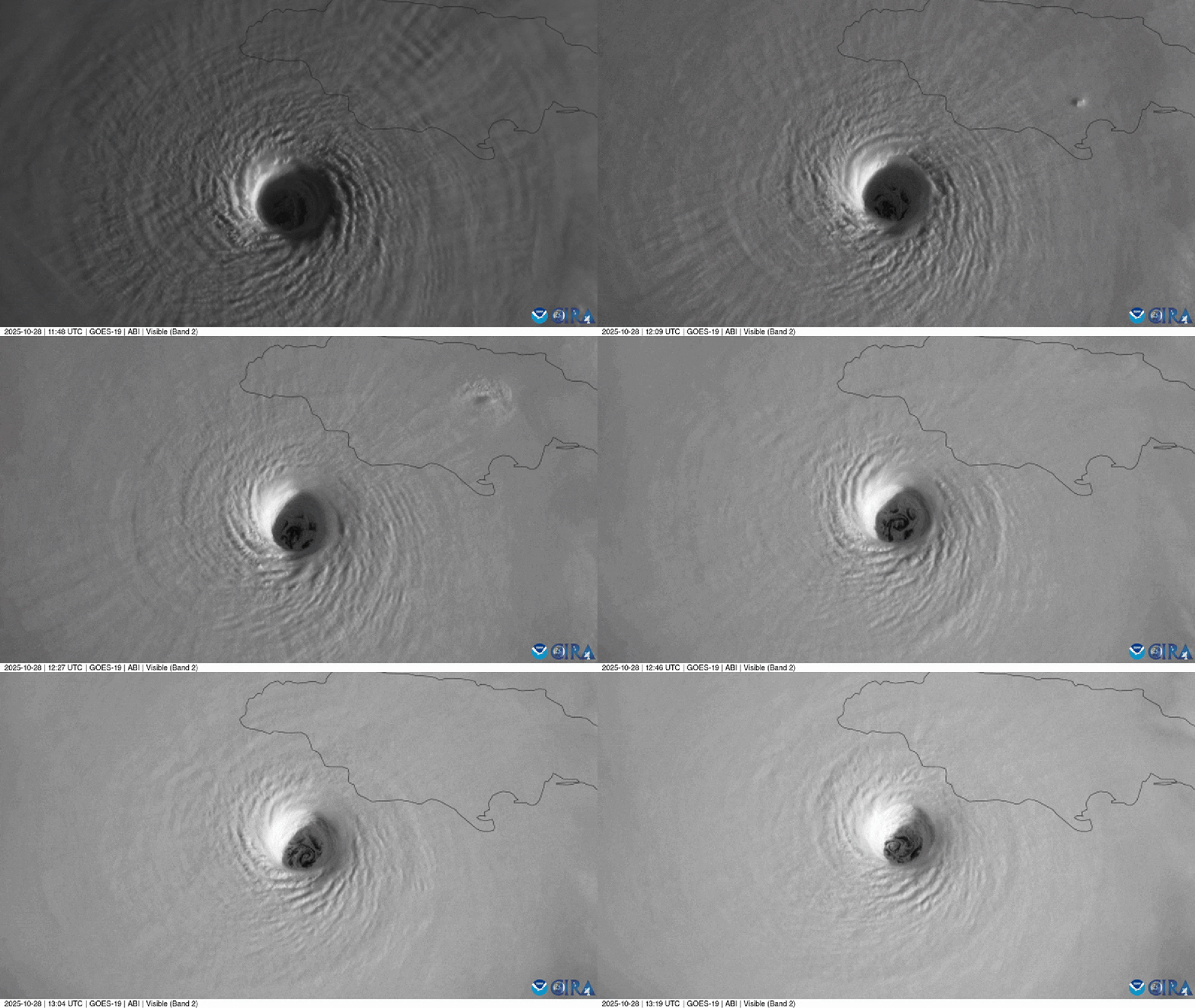
Hurricane Melissa, which tore through the Caribbean last month as a Category 5 storm, has now been confirmed to have produced an extraordinary wind gust of 252 miles per hour. This measurement, verified by scientists using dropsonde data, is just 1 mph shy of the fastest wind gust ever recorded on Earth. According to the World Meteorological Organization, this gust is also 4 mph faster than the previous record for the strongest wind gust measured in a tropical cyclone at sea. The earlier record holder was Typhoon Megi from 2010, which formed in the Pacific Ocean where warmer waters usually help tropical storms build more strength than their Atlantic counterparts.
Holger Vömel, an atmospheric scientist at the National Center for Atmospheric Research, collaborated with NOAA meteorologists to ensure the recorded gust wasn’t caused by a faulty instrument. Vömel noted that the data from Hurricane Melissa was consistent and reliable, unlike a previous potential record-breaking reading from Hurricane Katrina in 2005, which was later debunked as an instrument error. What's particularly interesting about Melissa's record is the height at which the measurement was taken — about three times higher than the 1996 record set at Barrow Island, Australia. Wind speeds tend to be affected by terrain on land, which can artificially speed up gusts, so Melissa’s gust over open ocean gives a purer indication of natural hurricane strength.
While gusts represent brief spikes in wind speed, sustained winds are what determine a hurricane’s category. Melissa’s sustained winds reached 185 mph, just 5 mph short of the Atlantic record. Its exceptional intensity was fueled by its slow movement over a vast area of warm ocean water, allowing it to draw significant energy. Besides its wind records, Melissa also achieved a minimum central pressure of 892 millibars, tying it as the third-strongest hurricane on record in the Atlantic. It also tied for second place in terms of sustained wind speed in the Atlantic basin.
The storm set other records too; it was the most powerful hurricane to ever make landfall in Jamaica and caused the second-highest rainfall recorded in the country since 2000. The devastation it brought to communities was severe, underscoring the importance of taking such storms seriously despite the scientific fascination they inspire. The dropsonde technology, developed by the National Science Foundation and utilized by Hurricane Hunter aircraft, allowed scientists to capture detailed data on wind speeds from the storm’s upper levels down to the ocean surface.
As Vömel points out, while these record-breaking measurements are remarkable from a scientific standpoint, the human impact behind the numbers must not be forgotten. The storm’s ferocity caused widespread suffering, reminding us that behind the data are people and communities enduring the destructive power of nature. Overall, Hurricane Melissa stands as a stark example of the increasing intensity of Atlantic hurricanes, emphasizing ongoing challenges in forecasting, preparedness, and disaster response.