
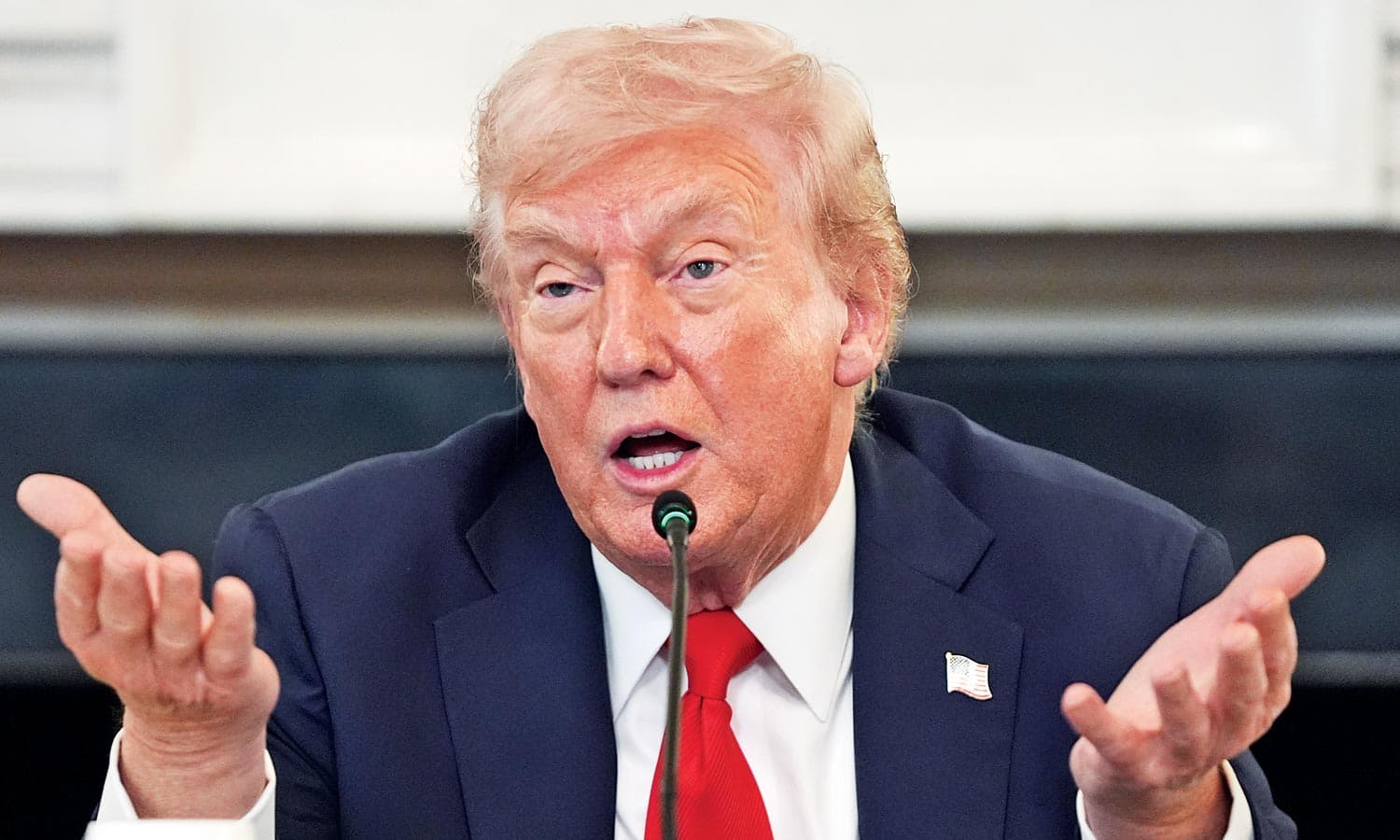
Will accept skilled immigrants, ready to take ‘heat’ for it: Trump
Content
Key Insights
This article centers around President Donald Trump's announcement at the US-Saudi Investment Forum that the United States will welcome skilled immigrants to help develop complex manufacturing plants producing advanced technology such as computer chips and missiles.
Key facts include Trump's readiness to accept thousands of skilled foreign workers despite anticipated backlash from his conservative base, the focus on knowledge transfer to build domestic expertise, and the significant investment in high-tech plants within the US.
Stakeholders directly involved are the US government, immigrant skilled workers, American labor force, and multinational companies investing in these projects; peripheral groups impacted include conservative political factions and immigration advocacy groups.
Immediate consequences might include shifts in immigration policy implementation and workforce dynamics in high-tech sectors, with potential resistance from certain political constituencies.
Historically, parallels can be drawn to post-World War II industrial expansion and skilled labor shortages that led to immigration policy adaptations to meet economic needs.
Future outlooks vary between optimistic scenarios where technology transfer accelerates US competitiveness, and risk scenarios involving political polarization over immigration leading to policy instability.
From a regulatory perspective, recommendations include streamlining visa processes for skilled workers (high priority, moderate complexity), investing in workforce training programs to maximize knowledge transfer (medium priority, high complexity), and enhancing communication strategies to manage political concerns and societal acceptance (low priority, moderate complexity).
This approach balances economic imperatives with sociopolitical realities, aiming to sustain innovation while mitigating backlash.