
Cause of deadly bridge collapse revealed
Content
Key Insights
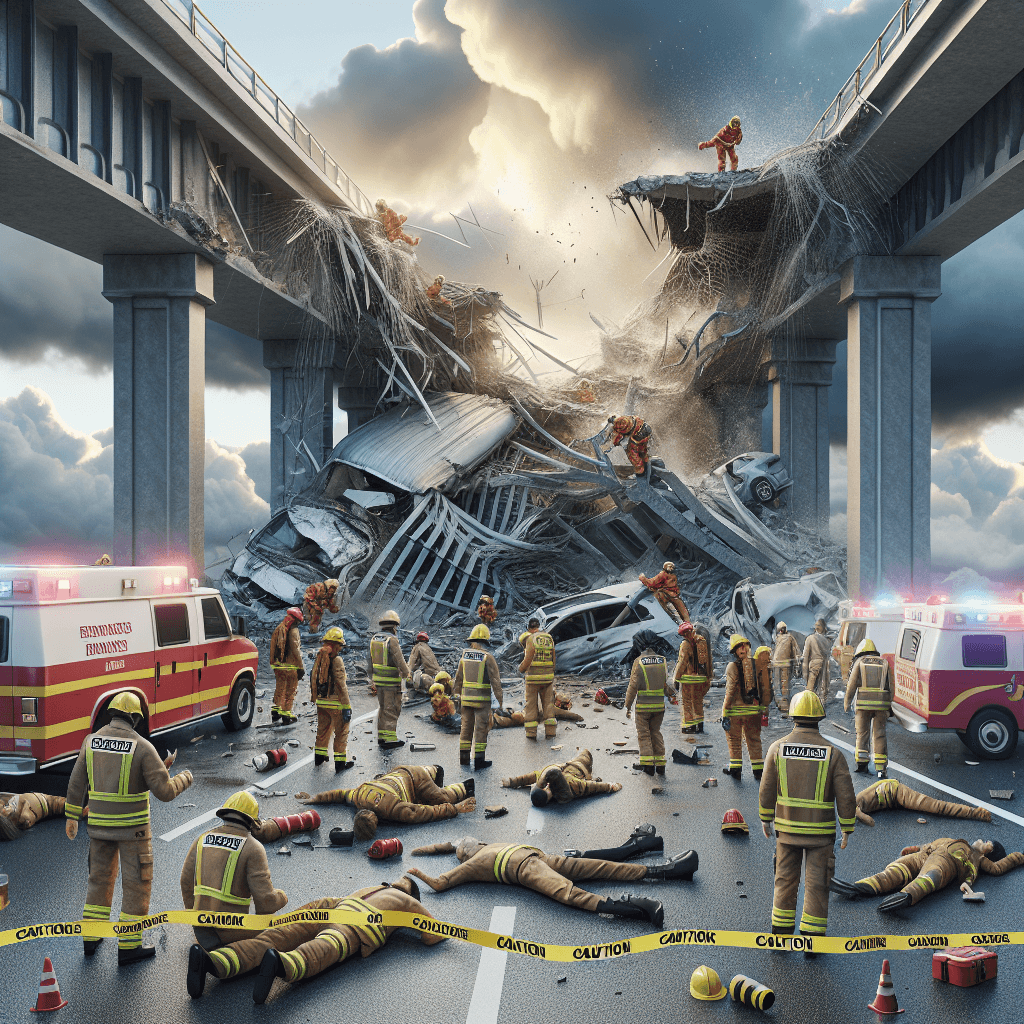
The investigation into the Francis Scott Key Bridge collapse on March 26, 2024, revealed that a loose wire on the cargo ship Dali caused an electrical blackout, leading to loss of control and the fatal collision.
Key stakeholders include the Maryland Transportation Authority, the ship’s crew, highway workers, and emergency responders, while the broader public and commerce sectors face indirect impacts due to disrupted transportation routes.
Immediate consequences involved loss of life, halted traffic, and environmental risks, mirroring past incidents like the 1987 Sunshine Skyway Bridge collapse, which also highlighted infrastructure vulnerability to ship impacts.
Future scenarios emphasize the need for advanced electrical system checks and mandatory vulnerability assessments for critical bridges, balancing innovation in ship safety technology with strict regulatory oversight.
From a regulatory authority perspective, it is crucial to (1) mandate comprehensive vulnerability audits for all major bridges near shipping lanes, (2) enforce stricter electrical system standards and crew training on vessels, and (3) enhance emergency communication protocols to ensure rapid evacuation.
Prioritizing these measures can prevent recurrence, with vulnerability assessments offering the highest impact and moderate complexity, followed by electrical standards enforcement and improved communication systems requiring incremental implementation but yielding significant safety benefits.