Content
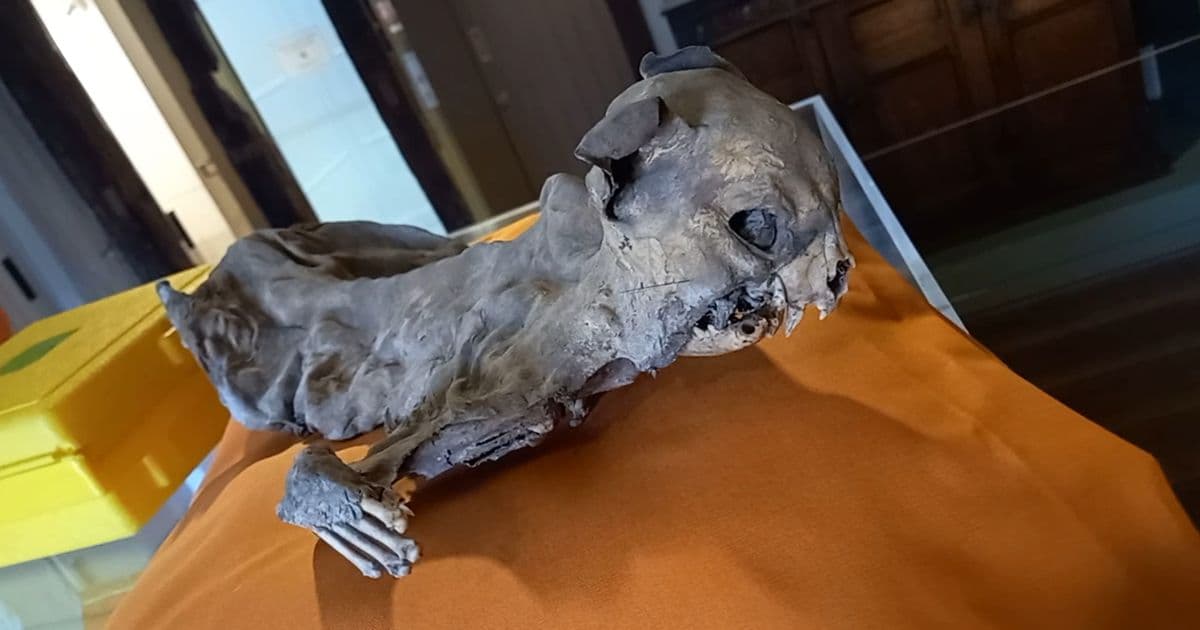
A remarkable and rather eerie discovery was made at Waltham Abbey Church in Essex, where a mummified cat was found hidden within the church walls. This church is historically significant as it is believed to house the grave of King Harold Godwinson, England’s last Anglo-Saxon king who died at the Battle of Hastings in 1066. The dried-up feline, preserved in a way that suggests it was deliberately entombed, was uncovered during an audit of items in a local museum collection. Ian Channell, manager of Epping Forest District Museum, described his shock at stumbling upon the unusual artifact, which had been part of the museum’s collection since the 1970s but only recently linked back to its original findspot inside the church walls.
Waltham Abbey itself dates back to the seventh century, with much of the standing structure from the early 12th century. The church was once a major pilgrimage site, revered for its holy cross believed to have healing powers. King Harold himself was a pilgrim there and is said to have been healed, later expanding and reconsecrating the church in 1060. While Harold’s death and burial in the abbey are steeped in legend, the cat’s mummification is thought to have occurred much later, between the 16th and 18th centuries.
Experts explain that mummified cats were commonly placed in the walls of homes and barns during this period as protective talismans against witches, ghosts, and other evil spirits. However, finding one inside the walls of a Christian church is highly unusual and has left historians puzzled. Ian suggested that the cat might have been intended as a kind of supernatural safeguard, possibly a ‘backup’ protection if Christian faith alone was thought insufficient. The exact reasoning, however, remains a mystery.
The church and its surroundings contain other signs of superstition and attempts to ward off evil. Staff at the museum note peculiar burn marks shaped like teardrops around windows and doorways in the Tudor Gallery, alongside a cross of nails above a fireplace and even a child’s shoe hidden beneath floorboards. These artifacts hint at a long-standing tradition of folk rituals coexisting with formal religious practices.
The mummified cat is now on public display, drawing interest both for its rarity and the spooky aura it carries. To coincide with the exhibition, archaeologist Wayne Perkins is scheduled to give a talk on the subject, delving into the history and significance of mummified cats. This event promises to attract visitors intrigued by the blend of medieval history, superstition, and the unusual.
Though the exact location of King Harold’s tomb remains uncertain due to church extensions over the centuries, the discovery of the cat adds a strange yet fascinating layer to the abbey’s history. This peculiar find invites questions about the interplay between superstition, religion, and community practices in historical England, revealing how people once sought protection and luck through a mix of faith and folklore.