
Climate crisis or a warning from God? Iranians desperate for answers as water dries up
Content
Key Insights
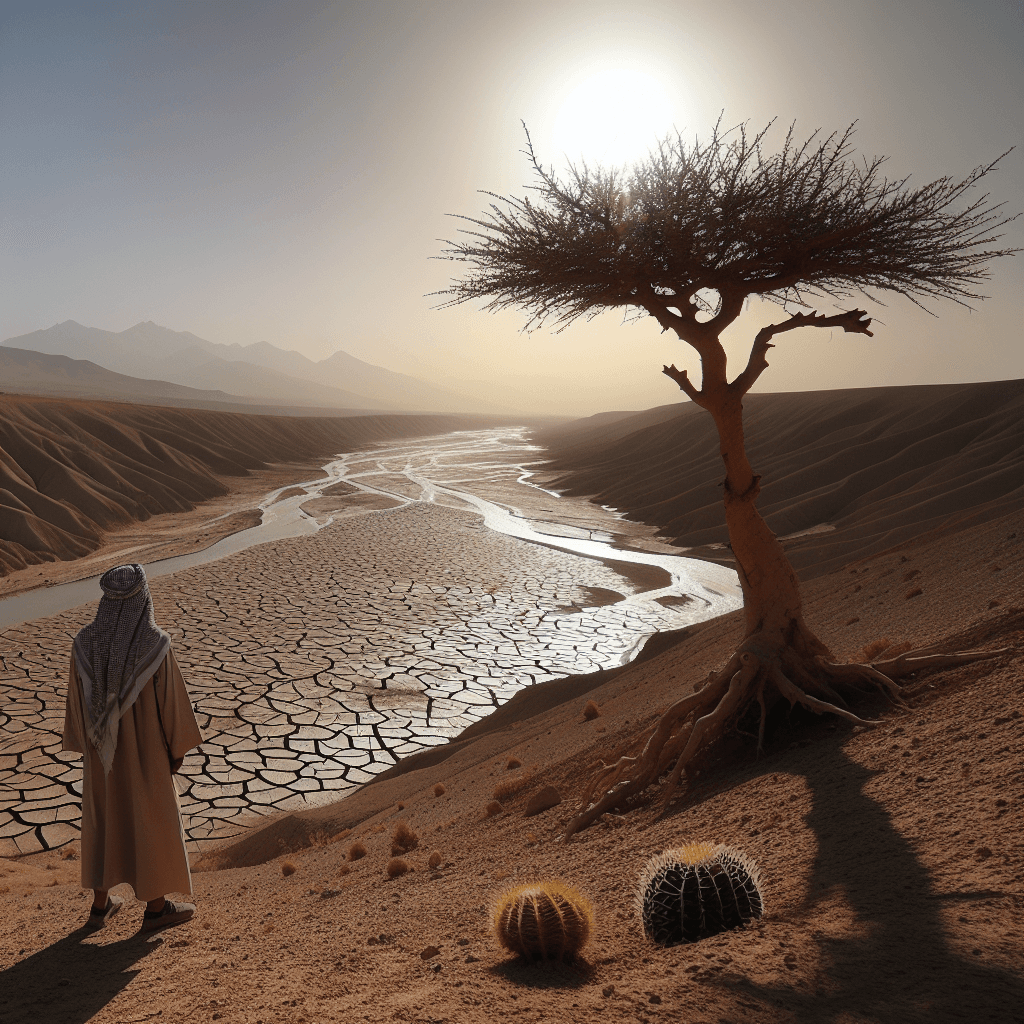
Key facts extracted include Iran's severe drought continuing for over five years, with 32 dams now holding less than 5% capacity, and Tehran experiencing a record low of 1mm rainfall this year amidst unusually warm temperatures.
Geographically, the crisis spans the entire country, affecting over 20 provinces, with Tehran and the central plains notably impacted.
Stakeholders directly involved are Iranian citizens, government authorities, and religious leaders, while peripheral groups include regional agriculture sectors and neighboring countries potentially affected by water scarcity.
Behavioral shifts include organized communal prayers and increased demand for bottled water, while cloud seeding attempts reflect governmental intervention.
Historically, the 1944 Qom drought offers a precedent of religious and societal response.
Comparatively, current efforts emphasize technology and infrastructure, such as proposed desalination plants, contrasting with past reliance on faith and natural weather patterns.
Future projections highlight opportunities in water technology innovations but also underline risks like worsening shortages and social unrest without effective mitigation.
From a regulatory perspective, priority recommendations include accelerating investment in desalination and water recycling projects, enhancing drought-resilient agricultural practices, and promoting public awareness programs to reduce water consumption.
Implementation complexity varies, with infrastructural investments demanding high resources but offering significant impact, while behavioral programs are easier to deploy yet critical for long-term change.