Content
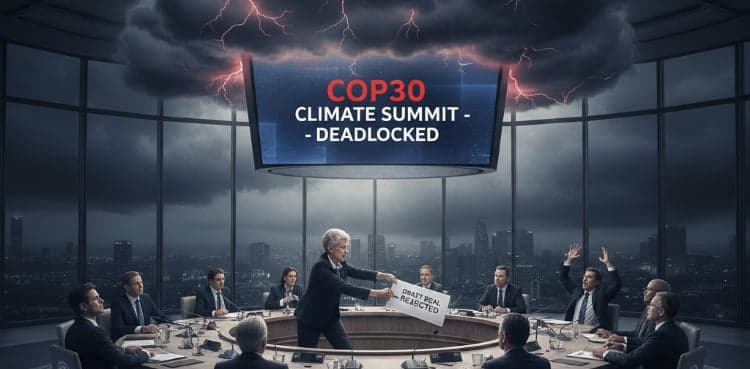
The COP30 climate summit in Brazil ended in deadlock as the European Union refused to accept a draft agreement it believed fell short of advancing global efforts to reduce greenhouse gas emissions. The two-week event, held in Belem deep in the Amazon, was supposed to conclude on Friday evening, but instead extended late into the night as intense negotiations dragged on. Brazil framed this summit as a crucial turning point for international climate cooperation, urging countries to overcome their divisions on contentious issues such as the role of fossil fuels and climate finance. COP30 President André Corrêa do Lago appealed to delegates, emphasizing the need for unity and a collective agreement to send a strong message about global action against climate change.
Tensions flared between emerging economies and the EU, with developing nations pressing the bloc to commit more funds to assist poorer countries in adapting to climate impacts. One anonymous negotiator from the developing world highlighted the need for balanced pathways: if fossil fuels remain a subject of discussion, then increased climate finance must be on the table too. The summit exposed deep fractures over how to address fossil fuels, accelerate CO2 emission cuts, and provide financial support. The draft deal, released early Friday, notably omitted any mention of fossil fuels, after earlier versions had contained multiple options on the subject. This change came after opposition from numerous countries, including major oil and gas exporters.
Earlier in the summit, around 80 governments had demanded a clear plan to phase out fossil fuels, but by the closing sessions, many appeared willing to accept the draft even without any fossil fuel language included. Burning fossil fuels remains the dominant source of greenhouse gas emissions driving global warming, a point underscored by the EU’s firm rejection of the draft. EU Climate Commissioner Wopke Hoekstra declared the bloc would not accept the deal as it stood, insisting that any financial commitments to developing nations would only be considered if emission reduction measures were strengthened. Some EU negotiators even hinted at the possibility of walking away from the talks rather than settling for a weak agreement.
Meanwhile, Brazil’s negotiators indicated it was unlikely that fossil fuel language would be reinstated and suggested only minor tweaks to the existing text were expected. An alternative being explored was a separate side agreement on fossil fuels, which individual countries could voluntarily join without requiring consensus from the entire COP membership. However, this approach carried its own complications. The Arab Group, consisting of 22 countries including Saudi Arabia and the UAE, declared its energy sectors off-limits for negotiations. Saudi Arabia warned that any targeting of its energy industries could collapse the entire summit, signaling the high stakes involved in these discussions.
The draft also called for tripling global financing to help countries adapt to climate change by 2030, compared to 2025 levels. But it lacked clarity on where this funding would come from—whether from rich nations directly, development banks, or the private sector. Achieving consensus among nearly 200 countries remains a towering challenge. President Corrêa do Lago stressed the importance of sending a united multilateral signal, especially given the absence of the United States at COP30 amid the Trump administration’s climate skepticism. “The world is watching,” he reminded delegates, underscoring the global spotlight on the stakes and outcomes of these pivotal talks.