Content
A petition with thousands of signatures has been formally presented to Victoria’s parliament, demanding an independent probe into the government’s controversial decision to shoot koalas from helicopters. On Wednesday evening, politicians from various parties including the Liberals, Greens, Nationals, and the Animal Justice Party (AJP) voiced strong opposition to the aerial culling, criticizing the secrecy surrounding the operation. The campaign followed reports revealing that over 1,000 koalas were killed after a severe bushfire at Budj Bim National Park. While it’s understood that not every koala could be saved, critics have questioned the Department of Environment’s (DEECA) decision-making and raised broader concerns about koala welfare in southwest Victoria.
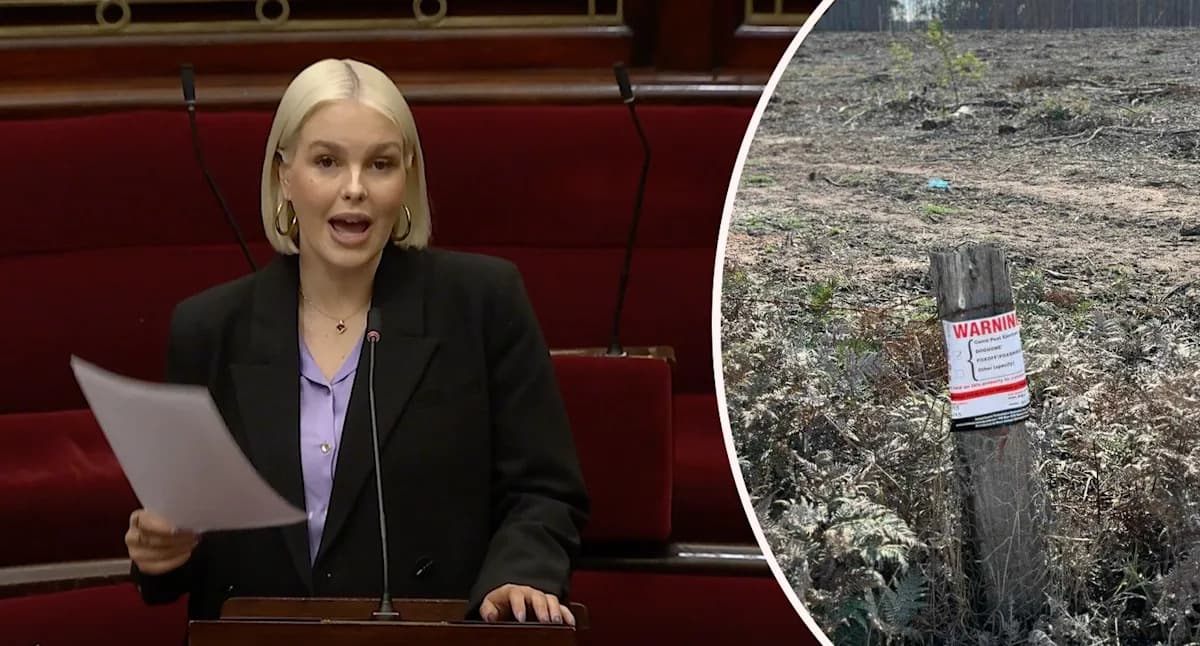
The petition, spearheaded by the advocacy group Koala Alliance and tabled by AJP’s Georgie Purcell, calls not only for an inquiry into the helicopter cull but also for a wider investigation into how koalas are managed in the region. Unlike other states like NSW, ACT, and Queensland, Victoria does not classify koalas as endangered, but there’s growing worry about their long-term survival amidst worsening bushfires and habitat loss. The government’s use of aerial culling was unprecedented, and Purcell highlighted that the program seemed to have been approved by a single vet, raising concerns about the welfare of joeys left behind and the overall humane nature of the method.
The culling was authorized following a lightning strike on March 10 that started the bushfire. Rocky terrain made it difficult to reach injured koalas on foot, and many animals were reportedly shot due to injuries and food shortages. In parliament, Labor’s Jacinta Ermacora defended the decision, pointing out that only a small fraction of the affected area was accessible by foot, and attempts to supply food and water had failed. She emphasized the harsh reality of managing wildfire impacts on wildlife in the face of climate change and noted that the aerial cull was peer-reviewed by an independent expert after vet approval. Indigenous representatives, including the Gunditj Mirring Traditional Owners, as well as several animal welfare groups, were briefed multiple times during the operation.
However, the broader public and local communities were kept in the dark, prompting criticism over the lack of transparency. Some animal welfare organizations only learned about the cull through media reports. Australians for Animals, an advocacy group not consulted before the cull, has since launched legal action against DEECA in Victoria’s Supreme Court, seeking to have the action declared unlawful and to prevent similar aerial shootings in the future. The koala welfare response began four days after the fire started, sparking further debate about the timing and process.
Opposition MPs also expressed disappointment over the absence of public consultation and independent scientific input before the cull. Greens MP Sarah Mansfield described the cull as a tragedy and a wake-up call to take habitat protection seriously to avoid repeat incidents. Prior to the fire, it was known that koalas were driven into Budj Bim after blue gum plantations — their usual habitat — were harvested, which created unsustainable population pressures. Mansfield suggested the mass cull exposes a broader failure in protecting native species, warning that Victoria might be the last stronghold for wild koalas as their numbers shrink nationwide.
During parliamentary discussions, Liberal MP Nick McGowan labeled the cull a “scandal”, criticizing the secrecy and the recovery of only 14 carcasses out of over 1,000 shot. Though acknowledging possible good intentions by decision-makers, he condemned the operation as bureaucratic failure and demanded greater transparency. Following a parliamentary vote, the government must now respond in writing to the petition. Purcell welcomed the recognition of the inquiry call but stressed the ball is in the government’s court to either heed community demands or block efforts for an independent investigation to prevent future occurrences of such distressing events.