
16 Missing as Ternopil Rescue Operation Enters Third Day After Russian Strike
Content
Key Insights
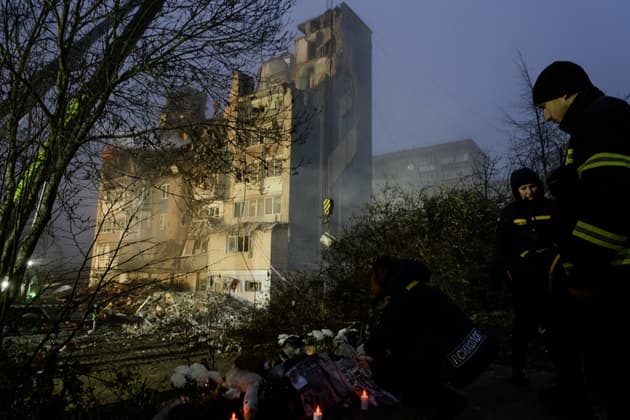
The core facts extracted include the missile and drone strike on November 19, targeting Ternopil among other regions; the destruction of two high-rise buildings with severe structural damage and fire; the ongoing search and rescue with 181 personnel and 52 equipment units; 28 fatalities including children and 94 injuries; and 16 people still missing.
Primary stakeholders are the affected residents, emergency responders, and local authorities, while secondary groups include families of victims, neighboring communities, and humanitarian organizations.
Immediate impacts include loss of life, injury, extensive property damage, and psychological trauma, alongside disruption of local services and potential displacement.
Comparatively, this event echoes previous high-intensity urban attacks in Eastern Ukraine, such as the 2014 Donetsk shelling, sharing similar challenges in emergency response and civilian impact, though scaled by intensified drone usage here.
Future scenarios suggest potential escalation in drone-based assaults, requiring innovation in aerial defense and debris management, contrasted by risks of overwhelmed rescue capacities and further civilian casualties.
From a regulatory authority perspective, recommendations prioritize establishing enhanced early-warning systems for drone attacks, increasing investment in specialized urban search-and-rescue training and equipment, and strengthening building codes to improve structural resilience.
Implementing early-warning tech is medium in complexity but offers high impact, while expanding specialized rescue capabilities requires more resources yet promises significant outcome improvements.
Revising construction regulations involves complex policy shifts but is essential for long-term civilian protection.
These steps collectively aim to mitigate immediate threats and build adaptive capacities for future crises.