
U. S. Has Now Killed Over 60 People In Strikes Against Alleged Drug Vessels
Content
Key Insights
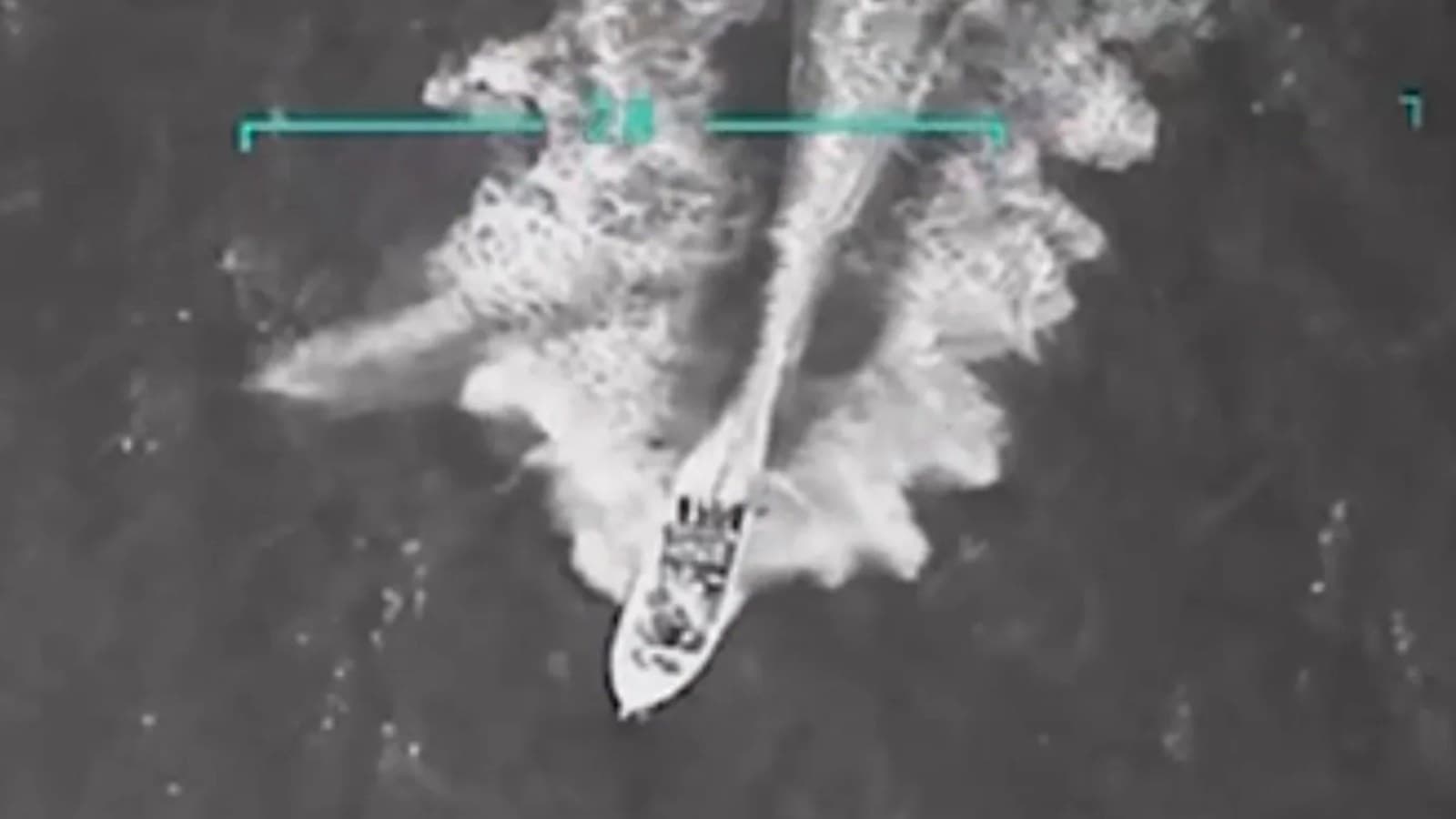
The core facts extracted involve the U.S. military's 14 known strikes against suspected drug vessels, resulting in over 60 deaths, with operations concentrated in the Eastern Pacific and Caribbean since September.
Key stakeholders include the U.S. Department of Defense, drug cartels labeled as narco-terrorists, the Trump administration, and Congressional lawmakers demanding oversight.
Immediate impacts include lethal outcomes for cartel operatives and intensified military engagement in drug interdiction efforts, potentially disrupting narcotics flows and cartel operations.
Historically, this campaign shares parallels with counterinsurgency and counterterrorism efforts such as the U.S. war on terror post-9/11, where extended military action targeted non-state actors across borders without clear Congressional mandates.
Future projections split between a scenario where enhanced military tools and intelligence cooperation lead to significant cartel destabilization, and a risk scenario where escalation provokes regional instability or legal-political backlash over executive authority.
From a regulatory perspective, recommendations include 1) establishing clearer Congressional oversight mechanisms to ensure accountability and legality, 2) enhancing interagency intelligence sharing for precise targeting to minimize collateral damage, and 3) initiating diplomatic engagement with regional partners to coordinate efforts and mitigate unintended consequences, prioritized first by legal clarity, second by operational effectiveness, and third by international cooperation.
This approach balances enforcement with governance to sustainably address narco-terrorism threats.