Content
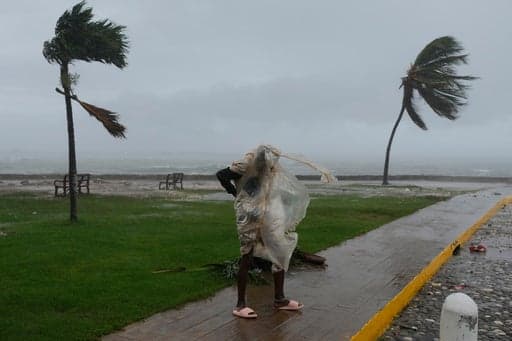
Hurricane Melissa struck Jamaica on Tuesday with winds tying record speeds of 185 mph, making it one of the most intense storms in recent memory. Over the past decade, the Atlantic Ocean has seen an unusual surge of monster storms, but Melissa stood out even among these extremes. Scientists were amazed at how Melissa overcame several meteorological barriers that typically weaken powerful hurricanes. Unlike most storms that rapidly intensify by about 35 mph in 24 hours, Melissa exceeded this by gaining nearly 70 mph in the same time frame during last week. It even had a rare second burst of rapid strengthening that pushed its winds to 175 mph before landfall.
Experts like Phil Klotzbach from Colorado State University described Melissa as "a beast of a storm," noting it tied records for both wind speed and barometric pressure at landfall. The pressure reading matched that of the deadly 1935 Labor Day hurricane, considered one of the most intense storms to hit Florida. While Hurricane Allen reached slightly higher wind speeds in 1980, it never hit land at that strength. Usually, hurricanes go through an eyewall replacement cycle, where the inner core collapses and a bigger one forms, causing temporary weakening. Melissa showed signs of this process but never actually underwent it, which baffled researchers.
Another unusual aspect was Melissa’s interaction with Jamaica’s mountainous terrain. Normally, landforms like these disrupt a storm's structure, but Melissa seemed unaffected, maintaining its strength despite sitting offshore near the island for some time. Warm water is a hurricane’s fuel, and usually when a storm lingers in one place, it churns up cooler water from below, which can starve the storm. However, this didn’t happen with Melissa. Bernadette Woods Placky from Climate Central explained that the ocean water under Melissa was exceptionally warm, allowing it to keep intensifying without interruption.
Melissa's rapid intensification happened in five six-hour chunks where wind speeds shot up dramatically. Observing the storm’s rapid growth was unnerving for meteorologists tracking it, with wind speeds climbing to 175, then 185 mph in quick succession. The water temperatures beneath Melissa were about 2 degrees Celsius above average, which is significant in fueling such a powerful storm. Climate Central's analysis suggests that global warming increased the likelihood of these warmer waters by 500 to 700 times, pointing to a strong human influence.
A review by the Associated Press of Category 5 hurricanes over the last 125 years found that nearly 29% of these top-tier storms have occurred since 2016, including three just this year. This recent spike is unprecedented compared to any previous decade. Scientists acknowledge that hurricane records from before the satellite era might not be as reliable, and measurement techniques have evolved. However, the general consensus is that while the total number of hurricanes may not increase, warmer global temperatures will likely lead to more frequent and intense storms. Researchers see a clear link between ocean temperatures and climate change, which acts as a catalyst for rapid hurricane intensification and unprecedented storm strength.