
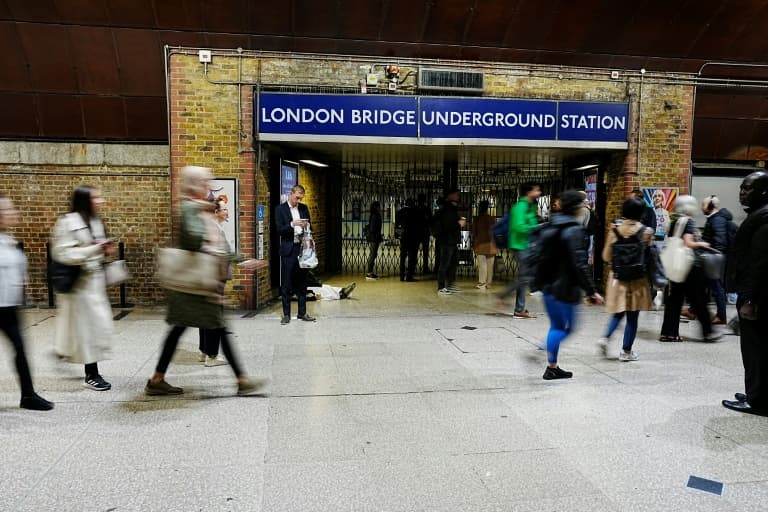
London Bridge Station Evacuated After Police Respond to Suspicious Behavior on Train
Content
Key Insights
The core facts of this incident include a suspicious behavior report on a Thameslink train arriving at London Bridge station on November 3, police intervention leading to platform evacuations, and subsequent service disruptions affecting multiple routes.
The primary stakeholders are British Transport Police, Thameslink and Southern Rail operators, and the passengers directly impacted by the evacuation and delays.
Secondary groups affected include commuters using connecting services and local businesses relying on smooth transit operations.
The immediate impact was passenger displacement and travel delays, with observable heightened alertness and concern among commuters, amplified by social media activity.
Historically, this response resembles previous precautionary evacuations at major UK transport hubs, where swift police action mitigated potential threats without escalating to arrests—paralleling the 2017 Westminster station incident.
Looking forward, technological advancements in surveillance and rapid threat detection could optimize response efficiency, while risks include possible overreaction causing unnecessary disruption.
From a regulatory perspective, recommendations include enhancing real-time communication systems to inform passengers promptly, investing in advanced behavioral detection training for transit staff, and developing clear protocols for public reassurance during such incidents.
Prioritizing communication improvements is both feasible and impactful, while training upgrades require moderate resources but significantly increase preparedness.
Clear public engagement strategies carry moderate complexity but substantially aid in maintaining trust during emergencies.