Content
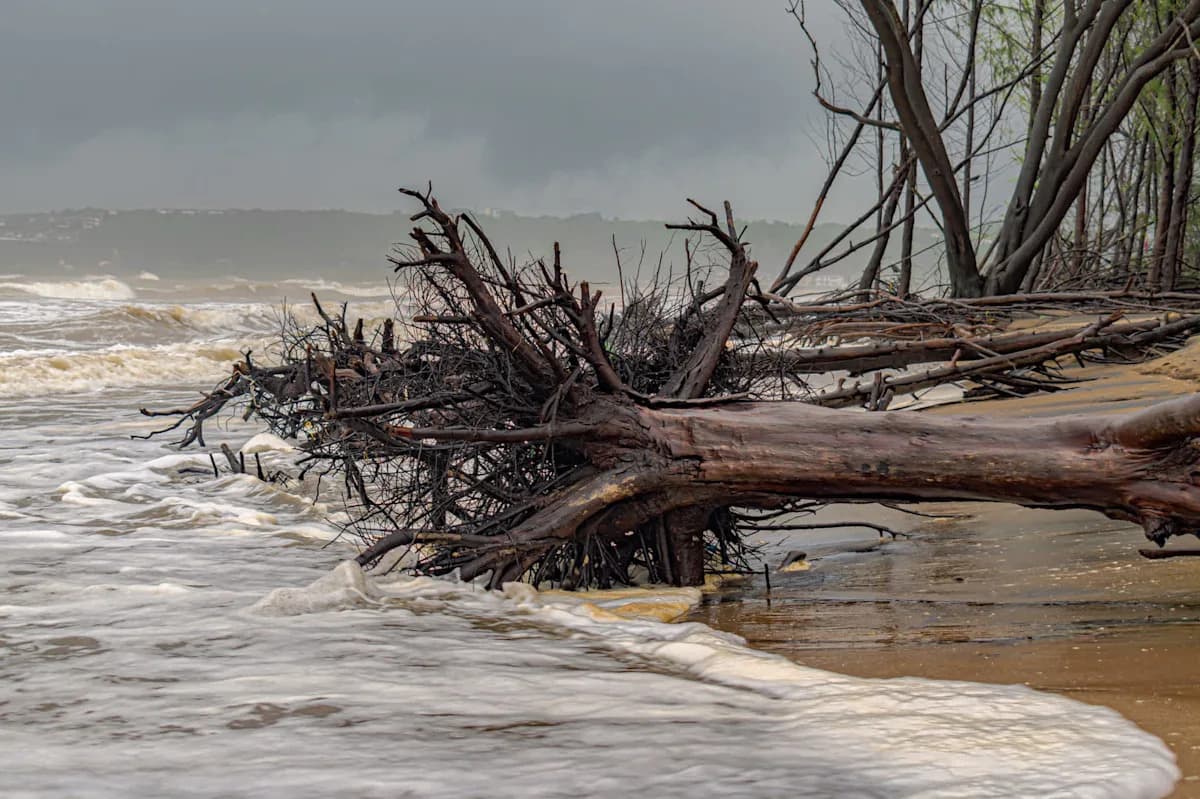
Hawai'i is currently facing a harsh reality that could soon reflect the fate of many mainland U.S. beaches. Along the North Shore, homes are literally falling into the ocean as rising sea levels and ongoing erosion relentlessly eat away at the shoreline. This alarming situation has pushed state officials to call for urgent measures, stressing the need for tailored, local solutions rather than broad, one-size-fits-all policies. The Surfrider Foundation's recent national report highlights the importance of understanding that each coastline has its own unique challenges and stories.
On Oahu's North Shore, about one-third of all residential properties are located within just 20 feet of the ocean. Due to the rapid erosion stripping away protective beaches, these homes are now officially deemed to be 'imminently threatened.' This isn’t just a distant worry; it’s a crisis deeply felt by communities there, as they watch natural barriers vanish and homes literally collapse into the sea. Emma Haydocy, Surfrider's Coasts and Climate Initiatives Senior Manager, emphasizes how urgent and immediate this issue has become.
But Hawai'i’s plight isn’t an isolated case. The report warns that over half of all U.S. beaches could be submerged by the year 2100. California, for example, may lose as much as 70% of its sandy coastline. The root cause of these changes traces back to human activity disrupting Earth's natural balance. Burning fossil fuels like coal and oil pumps heat-trapping gases into the atmosphere, warming oceans and melting polar ice sheets. This causes sea levels to slowly but steadily rise, reshaping coastlines and threatening millions who live nearby.
The consequences extend beyond just losing land. Beaches act as natural storm barriers, protect cultural landmarks, and support ecosystems that many species rely on. While erosion has always been part of coastal change, modern conditions have accelerated the process, making storms fiercer and waves more powerful. This intensified erosion severely compromises coastal communities’ safety and their way of life.
In response, local leaders and organizations are stepping up with innovative strategies. Hawai'i is pioneering "managed retreat" efforts—moving vulnerable structures away from the shoreline and restoring natural defenses like dunes and coral reefs that absorb wave energy. The Surfrider Foundation continues to advocate for flexible coastal policies that balance protection, adaptation, and public access.
Across the U.S., similar initiatives are underway. Projects such as living shorelines and oyster reef restoration help buffer coastal areas while also supporting marine biodiversity. Individuals can contribute too, by backing clean energy policies, supporting coastal conservation, and making everyday choices like reducing car use or switching to renewable energy sources.
Hawai'i’s shrinking beaches serve as a stark warning: the edges of our continents are shifting. But with smarter policies and strong community action, it’s possible to safeguard these precious places for future generations. Protecting our coastlines requires urgent attention and cooperation at every level—from local to national—and from policymakers to everyday citizens.