Content
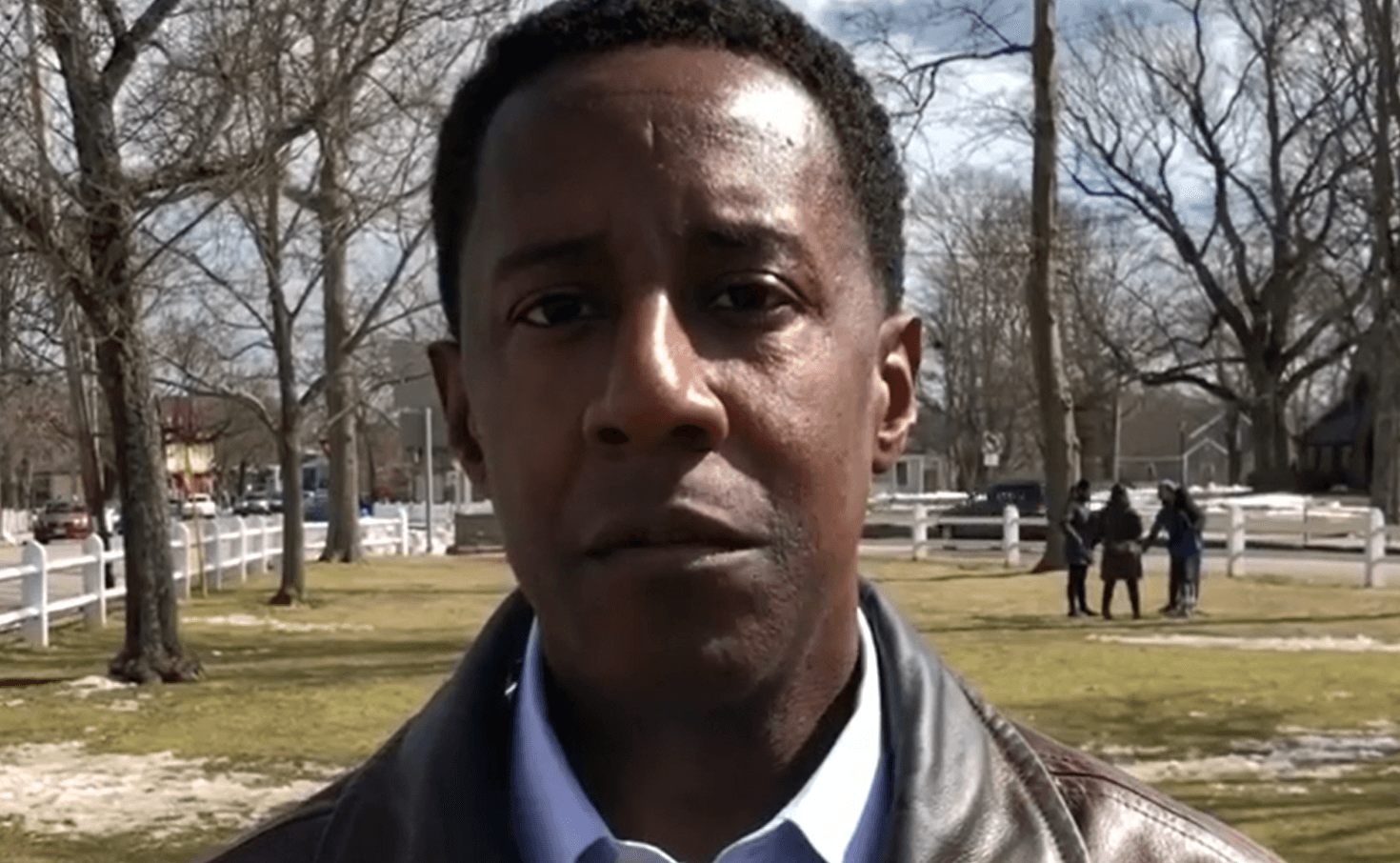
The Harvard Kennedy School is deeply grieving the sudden loss of Setti D. Warren, the Director of its Institute of Politics (IOP) and former Mayor of Newton, Massachusetts. Warren, aged 55, was found unresponsive at his home in Newton, the city he once led. Emergency responders declared him dead at the scene, and authorities have confirmed that no foul play was involved. His unexpected passing has sent ripples through both the Harvard community and the broader public service sphere, prompting the university to express profound sorrow and vow to share memorial details soon.
Setti Warren's career was marked by unwavering dedication to public service and leadership. In 2009, he made history as Massachusetts’ first popularly elected African-American mayor when he took office in Newton the following year. During his two terms, Warren worked tirelessly to improve infrastructure, enhance public education, and push forward sustainable development projects. His colleagues often remembered him as pragmatic and empathetic, always putting the welfare of the community first.
Before his tenure as mayor, Warren had significant experience working in federal government roles. He served in the White House under President Bill Clinton and later in Senator John Kerry’s office. Additionally, he was the Regional Director for FEMA in New England, overseeing emergency management operations across the region. In 2017, Warren launched a campaign for Governor of Massachusetts, presenting himself as a progressive figure focused on economic fairness and inclusive civic participation. Although he withdrew from the race a year later due to financial challenges, his political presence remained influential.
After stepping away from elected office, Warren joined Harvard Kennedy School and quickly became a respected figure within academia. Initially serving as Executive Director of the Shorenstein Center on Media, Politics and Public Policy, he was appointed Director of the Institute of Politics in 2023. Under his leadership, the IOP expanded its outreach to students, introducing new programs centered on civic engagement, climate policy, and ethical leadership. Those who worked with him praised his unique talent for bridging divides and inspiring meaningful public service involvement.
Beyond his administrative roles, Warren was beloved as a mentor and advocate for students at Harvard. He regularly met with students to discuss paths in government and community leadership, encouraging them to see public service as a moral commitment rather than just a job. Harvard officials noted that his passing leaves a deep void at the Kennedy School, where his vision helped revive the Institute’s mission to prepare future civic leaders.
Political and academic leaders alike expressed their condolences. Newton’s Mayor Ruthanne Fuller remembered Warren as a conscientious leader who served all parts of the city and worked across differences. Massachusetts representatives including Elizabeth Warren, Ayanna Pressley, Katherine Clark, and Jake Auchincloss praised his dedication to justice and equality. Social media was filled with tributes from students, alumni, and civic figures who described Warren’s leadership as empathetic, inclusive, and deeply human.
Setti Warren is survived by his wife, Tassy, and their two children, Abigail and John. His death leaves an irreplaceable gap both at Harvard and in the community he served so passionately. Though his life was cut tragically short, his commitment to public service guided by compassion, integrity, and hope continues to inspire those who knew him. As one colleague put it, Warren never stopped believing in the power of service to improve lives, and it is this legacy that will endure.