Content
The aftermath of Hurricane Melissa in Jamaica has left a harsh and eerie silence over the hardest-hit western parishes, as survivors struggle to piece their lives back together. The air is thick with the smell of damp earth, drying mud, and smoke drifting from debris fires, mixed with the faint scent of fuel from the dwindling number of generators still running. In towns like Black River, Belmont, and White House, the devastation is patchy yet overwhelming. Some neighborhoods have been completely wrecked—the hurricane peeled away roofs, shattered windows, and washed ashore up to 16 feet of seawater in a powerful storm surge. In these hot and humid conditions, survivors drag out whatever possessions they can salvage to dry, all the while trying to come to terms with the loss around them.
Three-year-old Alessandra quietly points to where her bed used to be, commenting softly, “It’s all mash up,” while her mother, Alandrea Brown, expresses deep distress over their situation. Many are homeless and running low on food, and the help they so desperately need has yet to fully arrive. Communication remains a major challenge; some areas have no phone signals, and others are cut off by blocked roads, making it difficult for neighbors to call for assistance. CNN crews relayed information about uncollected bodies to authorities when they could, highlighting how isolated some communities remain.
Life proceeds in Jamaica’s capital, Kingston, and the island’s eastern regions, where volunteers and supplies are mobilizing toward the west to support recovery efforts and revive vital sectors like tourism and agriculture. Officially, Jamaica’s death toll has risen to 32, and it’s expected to climb as rescue teams reach more damaged locations. But when night falls in the west, darkness envelops entire towns—no power, no running water, and just the distant hum of a generator breaking the silence. People sleep on damp mattresses and queue up early for essentials like fuel, food, and clean water, relying on rivers and rainwater where taps have stopped working.
Neighbors have become first responders, clearing debris, lifting fallen wires, and temporarily patching homes with tin. They rebuild out of necessity, aware that outside aid is coming, but also knowing it won’t arrive fast enough. At the Black River hospital, the main medical facility in the area, conditions are dire. The building leaks rain through its damaged roof and sits largely in darkness. Dr. Sheriff Imoru, the senior medical officer whose own home was destroyed, describes the emotional toll of continuing to serve patients amid such devastation. Emergency rooms operate without power or running water. Mothers like Shaniel Tomlin cradle injured children, haunted by the fact there’s nowhere to fill prescriptions or access proper medical care.
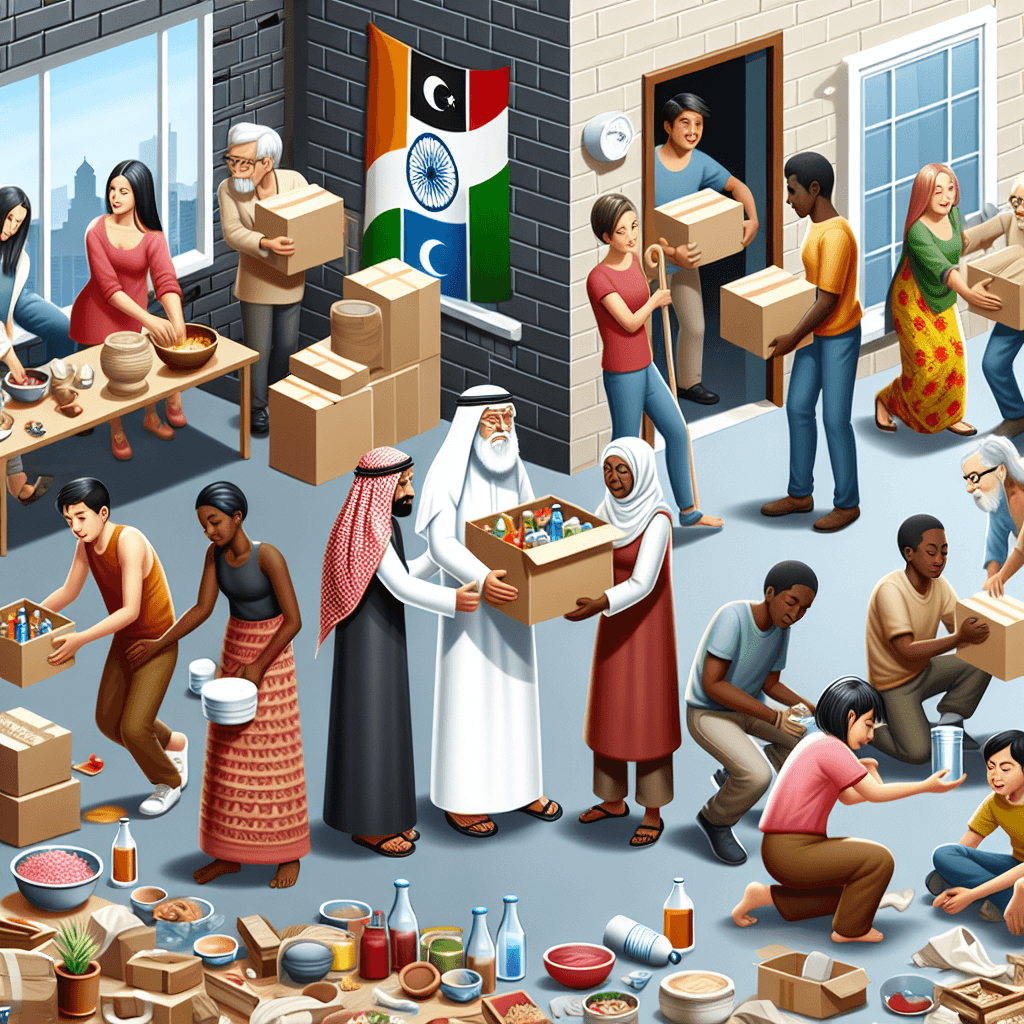
Historic structures across Black River—courthouses, libraries, government offices, and schools—lie in ruins. Aid trucks from Kingston crawl westward through traffic as roads are gradually cleared. Organizations like World Central Kitchen, Operation Blessing, and Samaritan’s Purse are already on the ground, setting up kitchens and distributing water, with relief teams prepared to stay for months. The island’s tourism industry, a crucial economic pillar, watches anxiously as rebuilding in the worst-hit areas promises a long road ahead. However, the north and east remain open as peak season nears, providing some hope.
As communication restores, a fragile resilience returns to the region. Music once again drifts through the salty air, street vendors fry fish on makeshift slabs, and a sense of determination pulses beneath the surface. Despite the physical wounds left by Hurricane Melissa, the spirit of the Jamaican people remains unbroken. “We are Jamaicans,” one man shouts, “We are the strongest people in the world.” The storm’s winds have passed and waters receded, but the fight to rebuild and recover in western Jamaica is only just beginning.