
A UPS plane crashed near the Louisville airport
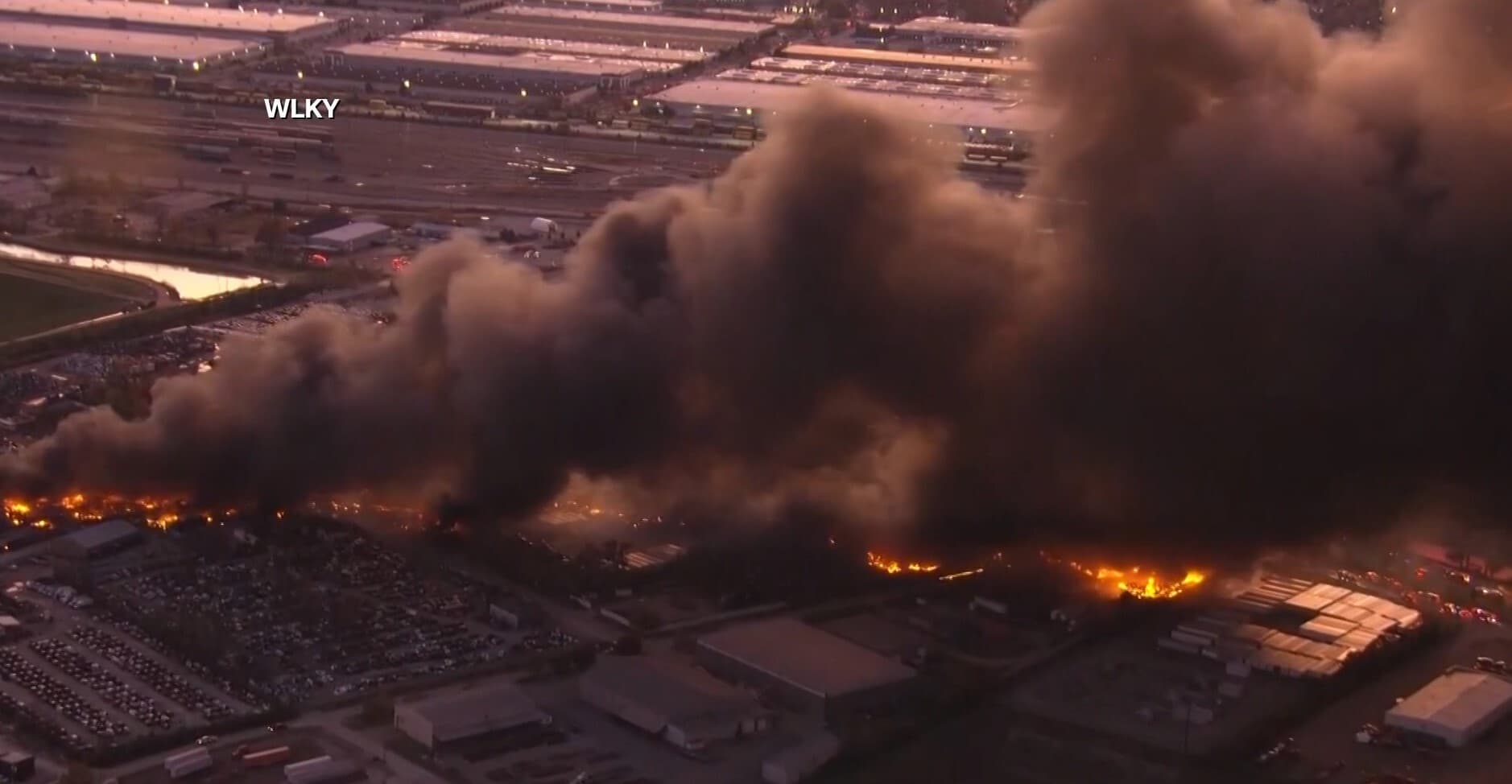
Content
Key Insights
The crash of UPS Flight 2976 near Louisville Muhammad Ali International Airport on November 4, 2025, represents a significant event with immediate and wide-ranging consequences.
Key facts include the timing of the crash shortly after takeoff around 5 p.m. local time, the involvement of a McDonnell Douglas MD-11F cargo aircraft, and the location within a critical global logistics hub.
Directly impacted stakeholders include UPS Airlines, airport personnel, emergency responders, and injured parties, while indirect effects will ripple through UPS's global shipping network, local traffic, and the broader air freight industry.
Comparatively, this incident recalls the FedEx Express MD-11 crash in 2000 near Narita Airport, where investigation led to enhanced training and procedural reforms, underscoring the importance of swift response and thorough analysis.
Looking ahead, there is potential for innovation in cargo flight safety and emergency response technologies, balanced against the risks of operational disruption and reputational damage to UPS.
From a regulatory perspective, prioritized recommendations include accelerating standardized safety audits for aging freighter fleets, enhancing real-time monitoring and communication systems to improve situational awareness, and implementing comprehensive emergency response protocols tailored to high-volume logistics centers.
These actions vary in complexity and impact but collectively aim to mitigate future risks and strengthen operational resilience.