
Afghanistan earthquake death toll mounts and Taliban officials say almost 1,000 people injured
Content
Key Insights
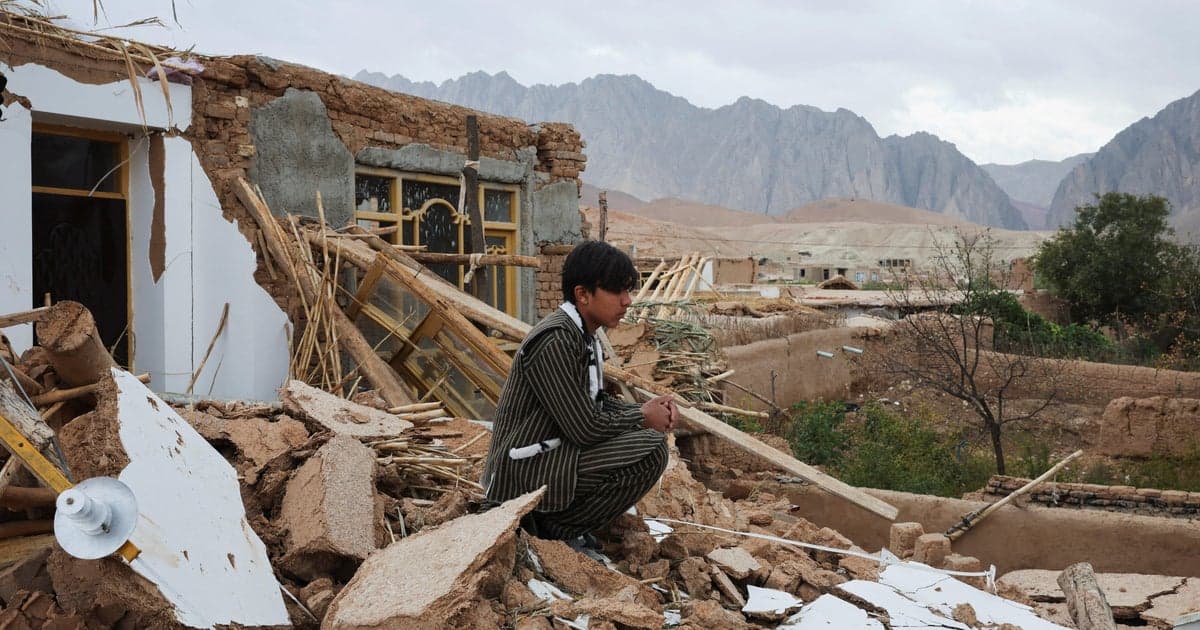
The earthquake in northern Afghanistan on November 3, 2025, was a 6.3 magnitude event centered near Kholm, Samangan province, causing 27 confirmed deaths and nearly 1,000 injuries across multiple provinces.
The primary stakeholders involved are the affected Afghan population, the Taliban government, and humanitarian organizations struggling to deliver aid amidst funding cuts.
Secondary impacted groups include displaced families facing harsh winter conditions and the broader regional communities disrupted by the quake’s effects.
Immediate consequences include loss of life, damaged homes, and cultural heritage destruction, such as the Blue Mosque in Mazar-i-Sharif, alongside strained health and emergency response capacities.
Historically, this event parallels the August 2025 eastern Afghanistan earthquake, which killed over 2,200 people and exposed vulnerabilities in disaster preparedness and aid delivery.
Future scenarios could see improvements through enhanced international cooperation and innovative disaster response technologies, while risks persist if funding shortfalls and political instability continue.
From a regulatory perspective, priorities should include strengthening early warning systems (high impact, moderate complexity), ensuring sustained international aid with contingency plans (high impact, low complexity), and investing in resilient infrastructure reconstruction (moderate impact, high complexity).
These measures collectively aim to mitigate future disaster impacts and support recovery in a highly fragile context.