Content
On November 4, 2025, at the South Africa 2025 Joburg Summit, President Cyril Ramaphosa will officially launch the G20 Extraordinary Committee’s groundbreaking report on global inequality. This report, the first of its kind commissioned by the G20 under South Africa’s presidency, was put together by a panel of independent experts chaired by Nobel laureate Professor Joseph Stiglitz. The committee, including distinguished economists and social scientists from across the globe, calls for the establishment of a new International Panel on Inequality. This panel would serve as a centralized, independent body to track inequality trends, analyze causes, and offer policy guidance to governments and international organizations.
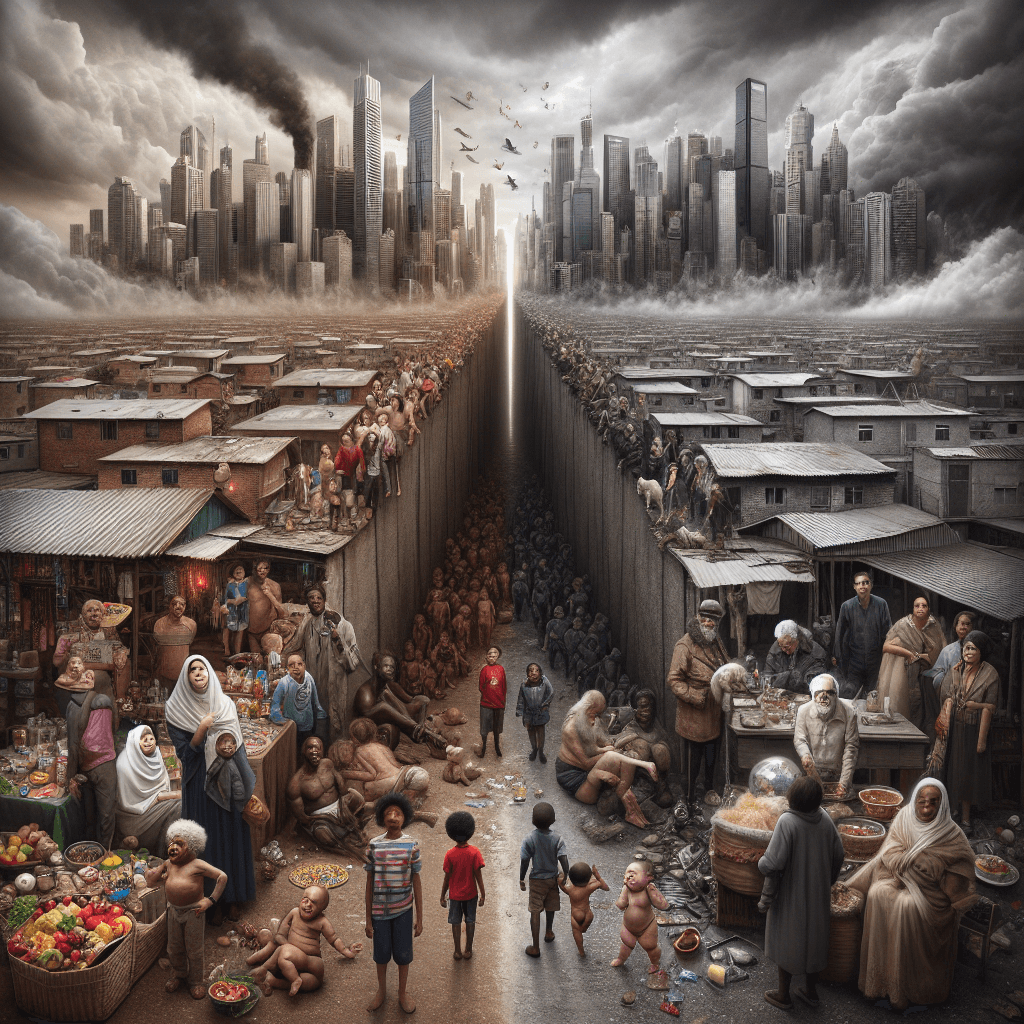
The report reveals alarming statistics highlighting the growing disparity in wealth distribution worldwide. Between 2000 and 2024, the richest 1% amassed 41% of all new wealth, while the bottom 50% only gained 1%. To put this in perspective, the average wealth increase for the top 1% was about 1.3 million US dollars in constant 2024 dollars, whereas for the bottom half of the global population, it was a mere $585. The data also shows that 83% of all countries, representing 90% of the world’s population, suffer from what the World Bank classifies as high inequality. Countries with high inequality are seven times more prone to democratic decline compared to more equal nations, pointing to worrying effects on governance and social cohesion.
Beyond income disparities, the report sheds light on the burgeoning issue of inherited wealth. An estimated $70 trillion is expected to be passed down over the next decade, posing serious challenges to social mobility and fairness. Inequality’s impact isn’t just economic; it undermines democracy and hampers economic progress, exacerbated recently by global crises like the COVID-19 pandemic, the ongoing Ukraine conflict, and escalating trade disputes since early 2025. These factors have created a “perfect storm” intensifying poverty and inequality, with one in four people worldwide now regularly skipping meals while billionaire wealth soars to historic highs.
The committee’s recommendations emphasize a multi-layered approach to tackling inequality. At the international level, reforming economic structures such as intellectual property rules—especially related to pandemics and climate change—and overhauling global tax frameworks to ensure fair taxation of multinationals and the ultra-wealthy are key strategies. Nationally, countries are encouraged to adopt pro-worker regulations, limit corporate concentration, implement progressive taxation, and invest substantially in public services. The report also highlights the critical role the G20 can play in fostering cooperation amid geopolitical tensions, such as coordinated tax policies, trade agreements, and advancing the green transition.
Professor Stiglitz stressed the urgency of treating inequality with the same seriousness as the climate crisis, underscoring its detrimental effects on democracy, economic stability, and social trust. Meanwhile, Professor Imraan Valodia from Wits University emphasized the lack of a central, authoritative body monitoring global inequality, which has led to underestimations and inadequate policy responses. The establishment of an International Panel on Inequality, modeled after the Intergovernmental Panel on Climate Change (IPCC), is seen as a vital step towards providing policymakers with timely, accurate data and analysis to drive effective action.
In sum, the report paints a stark picture of an inequality emergency demanding urgent, coordinated global efforts. Its launch at the G20 summit in Johannesburg marks a pivotal moment for international dialogue and action addressing one of the most pressing challenges of our time.