
Damaging floods force volunteers out of United Community Center of Westchester
Content
Key Insights
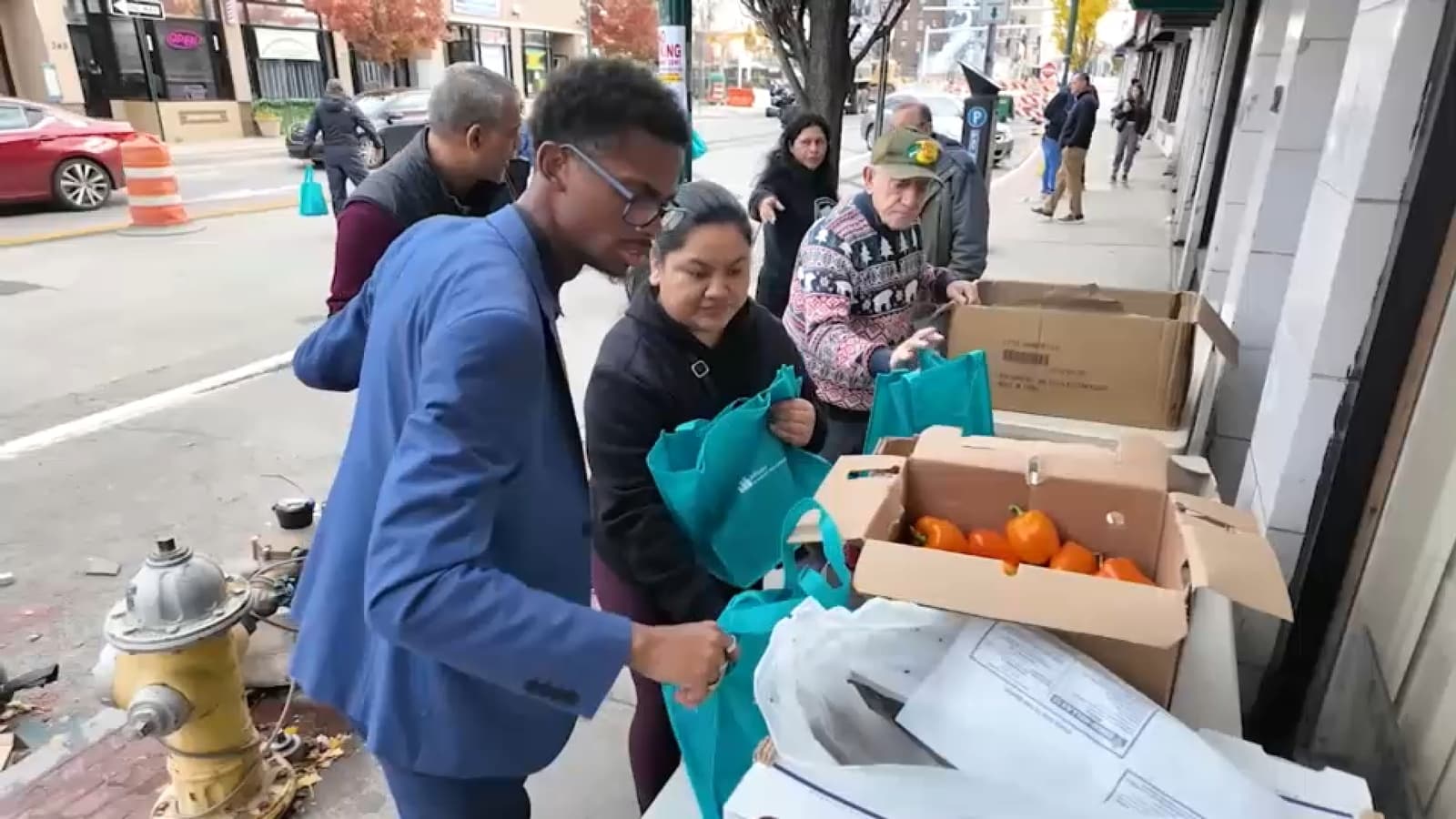
Key facts extracted include the flooding event occurring in New Rochelle, affecting the United Community Center of Westchester; the center’s role in providing diverse social services for 20 years; and the displacement of volunteers due to unsafe conditions caused by extensive water damage.
Primary stakeholders involve the center’s volunteers and the vulnerable populations they serve, including SNAP recipients like Jesus Celada, while secondary impacts may affect broader Westchester County residents and social service networks.
Immediate consequences are seen in disrupted service delivery and increased community hardship, reflecting behavioral shifts such as reliance on emergency food distributions.
Historically, this event parallels previous disaster responses where nonprofits faced structural damage, notably after Hurricane Sandy in 2012, which similarly forced service interruptions and spurred fundraising efforts to rebuild.
Looking forward, optimistic scenarios envision innovative outreach methods and enhanced disaster preparedness, whereas risk scenarios highlight prolonged service gaps and community destabilization without adequate support.
From a regulatory perspective, recommendations include prioritizing swift damage assessments and facility repairs (high outcome, moderate complexity), establishing emergency operation protocols for uninterrupted service delivery (moderate outcome, high complexity), and developing resilient funding streams through diversified donor engagement (high outcome, moderate complexity).
This analysis underscores the critical need for coordinated efforts to restore essential community services while preparing for future environmental challenges.