Content
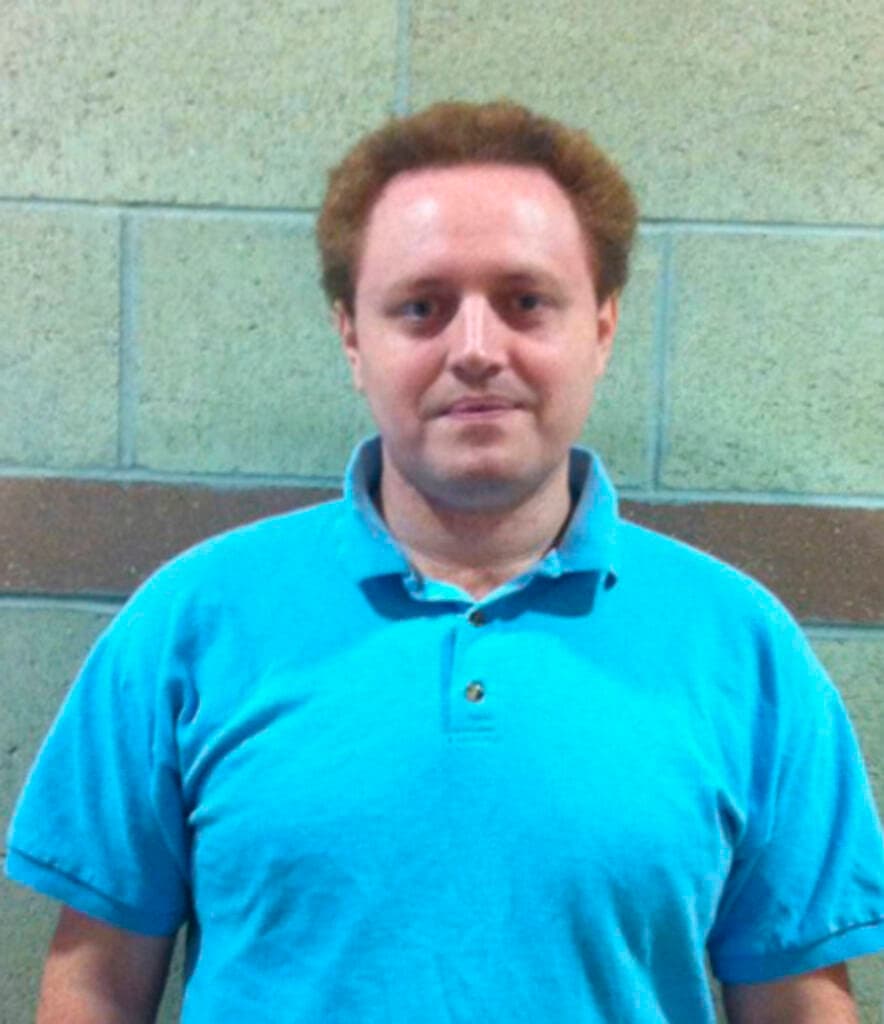
A former nurse from Winnipeg, Trevor Farley, who was suffering from psychotic delusions at the time, is currently in court trying to have a rare "high-risk" designation lifted. This designation keeps him confined in a secure mental health facility, restricting his release despite his ongoing treatment. The background to this case stems from a tragic event on October 27, 2021, when Farley killed his parents, Stuart Farley and Judy Swain, and also attacked a nursing supervisor, Candyce Szkwarek, at Seven Oaks General Hospital. At the time, he was found not criminally responsible due to the severe mental state he was in.
Two years after the incident, in October 2023, Justice Ken Champagne of the Court of King’s Bench officially designated Farley as a high-risk accused. This status is quite notable since it’s the first time in Manitoba that such a designation has been applied following the creation of the legal framework in 2014. Being labeled high-risk means Farley must stay in a secured psychiatric hospital, and only a superior court judge has the power to remove this status and allow his release.
The legal criteria for this designation include proving the likelihood that the person would commit violent acts if released or that the crimes committed were so severe they indicate a serious risk of harm. Farley’s case fits this due to the brutal nature of his crimes and the ongoing concerns about public safety. Prosecutors have made it clear they oppose lifting the high-risk status at this point, arguing that it’s too soon to let Farley out of the hospital. Rustyn Ullrich, the Crown attorney, emphasized that their main concern is public safety rather than punishment, acknowledging that Farley’s progress and treatment are important but secondary to preventing potential future harm.
A detailed 52-page forensic report surfaced during the 2023 hearing, revealing that in the weeks leading up to the attacks, Farley was experiencing intense religious hallucinations. These delusions convinced him that his victims were contaminated by evil, which, in his mind, justified the heinous acts as a way to "cut out" the evil. The court is set to hear testimony from Farley’s treating psychiatrist, providing more insight into his mental state, as well as victim impact statements, including one from Szkwarek, highlighting the long-lasting effects of Farley’s actions.
Farley’s case is overseen by the Criminal Code Review Board, which typically decides if someone found not criminally responsible should remain hospitalized or be conditionally or absolutely discharged. However, the high-risk accused designation places the final decision exclusively in the hands of a superior court judge, adding an extra layer of scrutiny. This case underscores the complex balance courts must strike between mental health treatment and public safety concerns, especially when dealing with violent crimes committed under extreme mental distress.
In the meantime, the community and legal system watch closely as the court deliberates, weighing Farley’s mental health progress against the gravity of his past actions. The outcome will have implications not only for Farley’s future but also for how high-risk designations are managed in Manitoba and potentially beyond.