Content
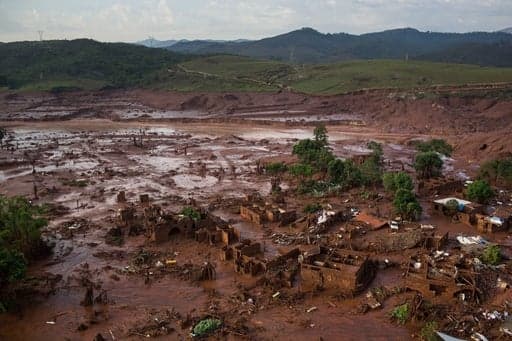
A decade ago, the Indigenous Krenak people of Minas Gerais, Brazil, experienced what they now call "the death of the river." In early November 2015, a mining dam owned by Samarco, a joint venture between Brazil’s Vale and Anglo-Australian BHP Billiton, collapsed near Mariana. This disaster unleashed a massive flood of toxic iron ore waste that buried the community of Bento Rodrigues and contaminated the Doce River for over 370 miles, eventually reaching the Atlantic Ocean. For the Krenak, the river wasn’t just a natural resource but a vital part of their culture, spirituality, and daily life. As their leader Shirley Djukurnã Krenak recounted, signs of the impending catastrophe were felt days before: silence replacing birdsong and a heavy stillness in the air. When the mud arrived, it was devastating both environmentally and spiritually.
The collapse poured roughly 40 million tons of mining waste into one of Brazil’s most ancient river systems, forever altering the landscape and lives of countless communities. Despite ongoing reconstruction efforts and legal battles, the river remains polluted with heavy metals, and many local residents see little real change. This unresolved disaster casts a shadow over Brazil’s efforts to present itself as a climate leader as it prepares to host the United Nations’ COP30 summit. Indigenous voices like Krenak’s emphasize that for them, the fight isn’t about grand speeches or international summits; it’s a matter of survival.
Brazilian President Luiz Inácio Lula da Silva aims to showcase the country’s leadership in environmental policies at COP30, held in Belém in the Amazon heartland. However, critics argue that the gap between Brazil’s environmental rhetoric and realities is stark. Maurício Guetta of Avaaz highlights contradictions in Brazil’s approach, pointing out that recent laws have weakened protections for nature and Indigenous rights. Indigenous congresswoman Célia Xakriabá, representing the affected Minas Gerais, calls the Mariana disaster "a crime still in progress," noting the persistent contamination and illnesses in her community. She argues that true climate leadership begins with justice for those enduring the consequences firsthand.
The disaster’s aftermath also influenced environmental policy negatively. Following the Mariana collapse, Minas Gerais loosened its environmental licensing laws, a move linked to the tragic Brumadinho dam disaster in 2019, which claimed 270 lives. In late 2024, the Brazilian government and state authorities reached a record $30 billion settlement with Samarco and its owners, intended for social and environmental reparations. Still, experts warn that the broader issues of deregulation and underfunded environmental agencies continue to threaten ecosystem integrity. Recent legislation restricting Indigenous land claims and relaxing environmental licensing further undermines Brazil’s climate commitments under the Paris Agreement.
Many Indigenous communities express skepticism toward COP30, viewing it as a platform for greenwashing rather than genuine change. Krenak’s community, for instance, has decided not to attend, feeling that previous summits have failed to prevent repeated environmental crimes. Anthropologist Ana Magdalena Hurtado worries that while Indigenous voices may be symbolically included at COP30, real follow-through is often lacking, leading to more harm than good. Despite this, some leaders remain hopeful. Krenak holds onto the belief that change is still possible – that future generations might one day drink clean river water without fear.
In sum, the Mariana dam collapse remains a painful symbol of environmental injustice and governance failures in Brazil. As the nation steps onto the global stage for COP30, Indigenous peoples and advocacy groups call for justice, accountability, and meaningful protections that go beyond rhetoric and financial settlements. Protecting rivers, forests, and Indigenous rights is seen not just as environmental policy but as a fundamental step toward survival and dignity for those most affected.