
Criminal case dismissed against Boeing in the deadly MAX crashes
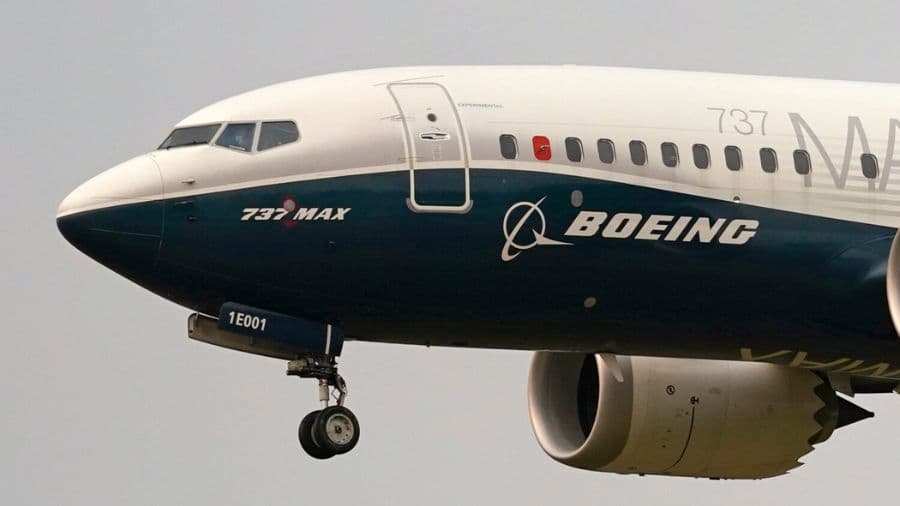
Content
Key Insights
Key facts from the case include the dismissal of criminal charges against Boeing by a federal judge, the involvement of two fatal 737 MAX crashes resulting in 346 deaths, and Boeing’s agreement to pay $1.1 billion in fines and compensation.
The incidents occurred in Indonesia and Ethiopia in late 2018 and early 2019, respectively.
Stakeholders directly involved are Boeing, the victims' families, the Department of Justice, and the FAA.
Indirectly affected parties include the broader aviation industry and global flying public concerned with safety standards.
The dismissal impacts public trust and regulatory scrutiny, echoing concerns similar to past aviation disasters where corporate accountability was questioned, such as the Air France Flight 447 crash.
The decision not to impose an independent monitor contrasts with prior resolutions in corporate safety failures, potentially influencing future oversight models.
Optimistically, Boeing’s renewed focus on safety improvements might drive innovation in aviation systems, yet risks remain if regulatory supervision remains insufficient.
Recommendations for regulators include enhancing independent oversight mechanisms, increasing transparency in certification processes, and mandating rigorous compliance audits.
Prioritizing independent monitoring is crucial despite implementation challenges, given its potential to significantly improve safety outcomes.
This analysis underscores the delicate balance between corporate accountability, regulatory responsibility, and public safety in commercial aviation.