
No doubt about it: Climate change made Hurricane Melissa way worse
Content
Key Insights
The core facts center on Hurricane Melissa’s rapid intensification to Category 5 status in the Caribbean, resulting in at least 67 deaths and $50 billion in damages.
This event occurred in late 2023, affecting key locations including Jamaica, Cuba, Haiti, and the Dominican Republic.
Scientific analyses link this intensification directly to human-driven climate change, which increased wind speeds and rainfall intensity significantly.
Stakeholders directly involved include affected populations, local governments, and emergency responders, while peripheral groups encompass regional economies and global climate science communities.
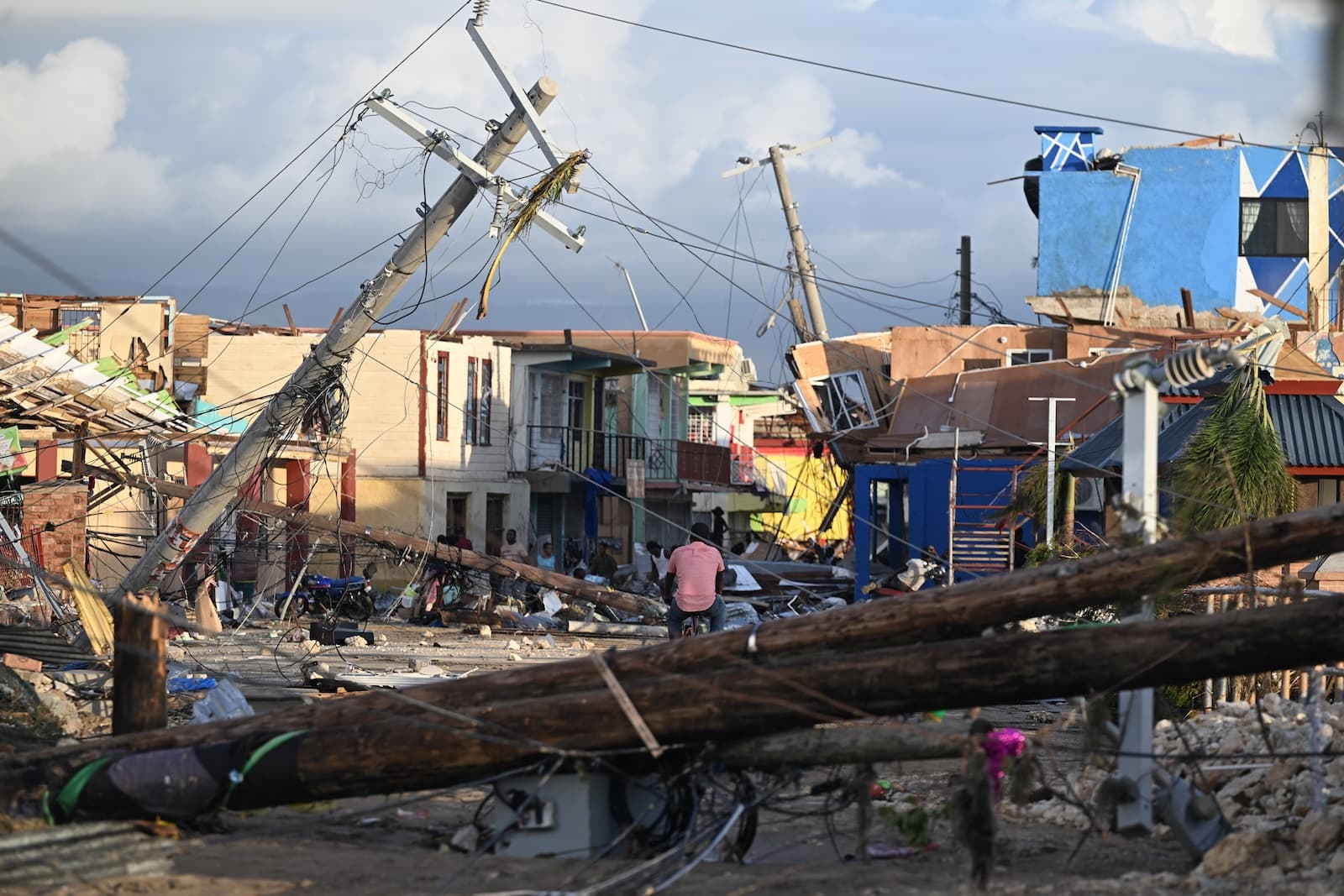
Immediate impacts involved massive infrastructural damage, loss of life, and displacement, with cascading effects on public health and economic stability.
Comparably, Hurricane Katrina in 2005 and Hurricane Maria in 2017 offer reference points for evaluating response effectiveness and infrastructural resilience.
Future outlooks suggest increased frequency and intensity of similar storms under continued warming, urging innovation in forecasting and disaster preparedness on the optimistic side, contrasted by heightened risk scenarios without emission reductions.
From a regulatory authority perspective, recommendations prioritize enhancing early warning systems leveraging advanced climate models, enforcing stricter building codes focused on resilience, and investing in coastal ecosystem restoration to mitigate storm surge impacts.
Implementation complexity varies, with policy reforms requiring broad coordination, yet all promise significant risk reduction if executed promptly.