
Bear attacks in northeastern Japan deflate tourism amid peak fall foliage
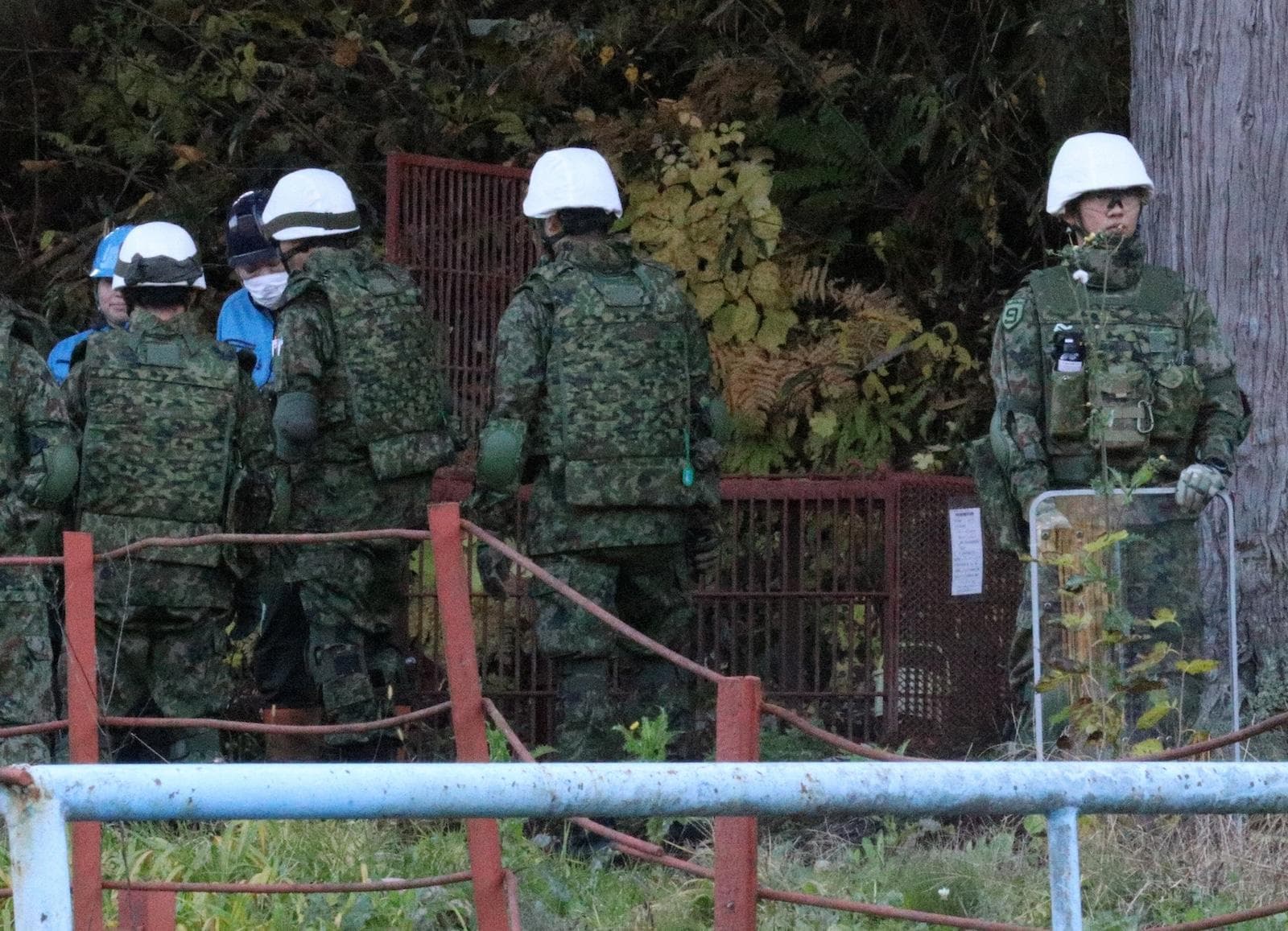
Content
Key Insights
The core facts include a surge in bear attacks in northeastern Japan's Tohoku region since April, resulting in 13 fatalities nationally and a notable impact on tourism during the peak fall foliage season.
Key locations affected are Iwate, Akita, and Miyagi prefectures, with incidents leading to closings of public spaces and cancellations at hot spring resorts.
Primary stakeholders are local tourists, foreign visitors, hospitality businesses, and municipal governments, while secondary impacts extend to the broader regional economy reliant on seasonal tourism revenues.
The immediate consequences involve behavioral changes such as tourists canceling visits and businesses limiting access or closing facilities, causing economic strain.
Historically, similar wildlife conflicts in rural Japan have triggered heightened government intervention and community-driven safety measures; however, the current frequency and fatality rate mark a concerning escalation.
Looking ahead, optimistic scenarios involve improved bear management using technology for monitoring and community education to restore confidence, whereas risk scenarios warn of prolonged tourism decline and potential human-wildlife conflicts worsening without coordinated mitigation.
From a regulatory standpoint, recommendations include prioritizing enhanced surveillance and rapid response systems for bear sightings, launching comprehensive public awareness campaigns in multiple languages to inform visitors, and establishing stricter safety protocols for open-air bath operations.
These measures differ in complexity and impact, with surveillance upgrades offering high effectiveness but requiring significant investment, awareness campaigns being moderately complex with broad benefits, and safety protocols needing relatively low effort but immediate protective value.