Content
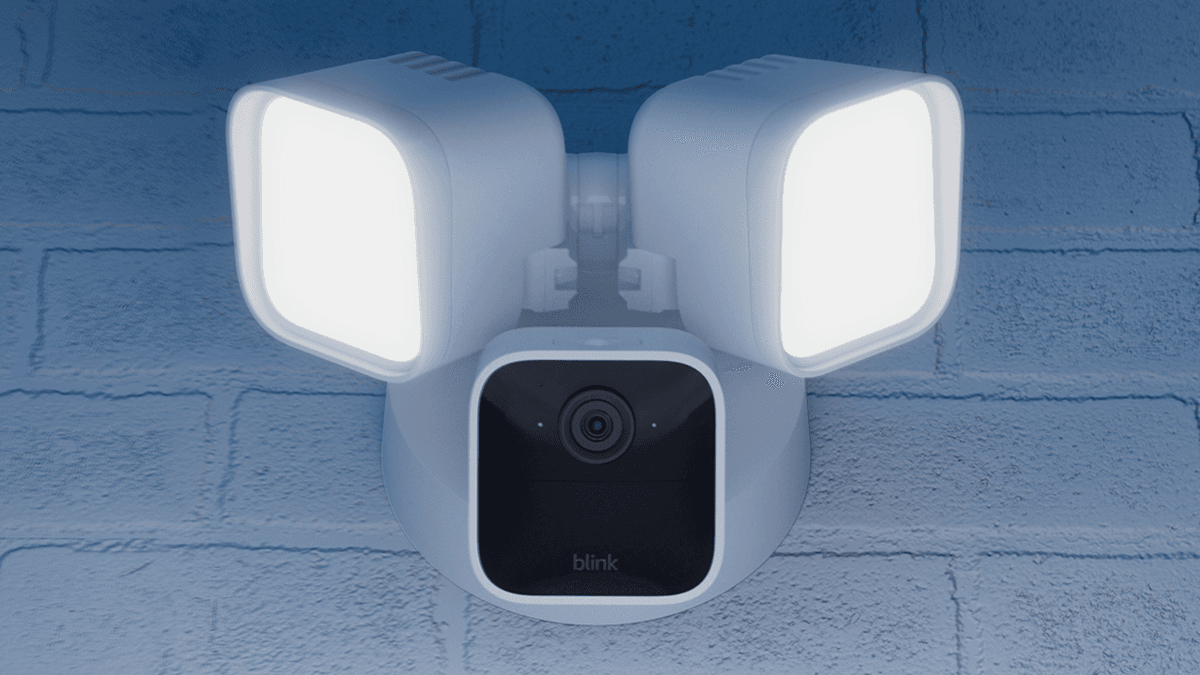
Floodlight cameras have become an essential addition to modern home security, offering a blend of bright illumination and video surveillance in one outdoor fixture. These devices usually connect to your home Wi-Fi, allowing you to monitor your property remotely via smartphone apps. After testing several models in real home environments, considering factors like ease of setup, brightness, video clarity, and overall value, the Eufy Floodlight Camera E340 stands out as the best hardwired option. It features 3K resolution, a powerful 2,000-lumen floodlight, and mechanical pan-and-tilt controls. For those who prefer wireless setups, the Arlo Pro 3 is a great alternative, providing strong smart home compatibility alongside solid video performance.
When it comes to brightness, most smart floodlight cameras rely on dual-LED bulbs that together can produce anywhere from roughly 500 to 3,000 lumens. To put that in perspective, a 3,000-lumen LED approximates the output of a 200-watt incandescent bulb. Unlike traditional bulbs, these LEDs usually aren’t replaceable but are designed to last between 15,000 and 30,000 hours. Beyond just lighting, many floodlight cameras respond to motion and sound triggers, with some featuring customizable lighting effects or dimming abilities to suit different situations.
Voice control is another important capability, especially if you’re integrated into ecosystems like Alexa, Google Assistant, or Siri. It’s wise to pick a floodlight camera that allows separate voice commands for both the lights and the camera itself. Additionally, compatibility with smart displays such as Amazon Echo Show or Google Nest Hub ensures you can access live feeds easily from inside your home.
Video quality is equally crucial. While 1080p remains the standard resolution for most floodlight cameras, a few models offer 2K resolution for sharper images. However, higher resolution video demands a strong and stable internet connection and consumes more storage, which could increase costs if you use cloud services. Features like a wide field of view and HDR (high dynamic range) technology are valuable for capturing clear, detailed images, even in challenging lighting conditions. Night vision capabilities vary: many use infrared LEDs for black-and-white footage, but some advanced models manage to record color video in low light, maintaining visibility up to around 30 feet.
Security features extend beyond illumination and recording. In areas prone to theft or break-ins, floodlight cameras with built-in sirens—ideally around 100 decibels or higher—can be a strong deterrent. Flashing lights help alert intruders that they’re being watched, and two-way audio lets homeowners communicate directly through the device. Some cameras even allow pre-recorded messages to be played, creating the illusion someone’s home even when you’re away.
Installation depends on the type of floodlight camera. Hardwired models require dealing with electrical wiring, so if you’re not comfortable with that, hiring a professional electrician is recommended. On the other hand, battery-powered floodlight cameras offer a wiring-free setup but need frequent recharging depending on usage patterns and video quality. For smart home users, ensuring the camera works seamlessly with platforms like Alexa, Google Home, or Apple HomeKit is key to creating integrated routines. Support for IFTTT or the newer Matter standard can future-proof your setup by enabling broader device interoperability.
Storage options also vary: some cameras provide local storage via microSD cards, while others rely solely on subscription-based cloud storage. Those wanting anytime, anywhere access to footage benefit most from cloud services, though having both local and cloud options offers flexibility. Ultimately, choosing the right floodlight camera boils down to your specific needs, budget, and smart home preferences, along with considering installation convenience and ongoing costs.