
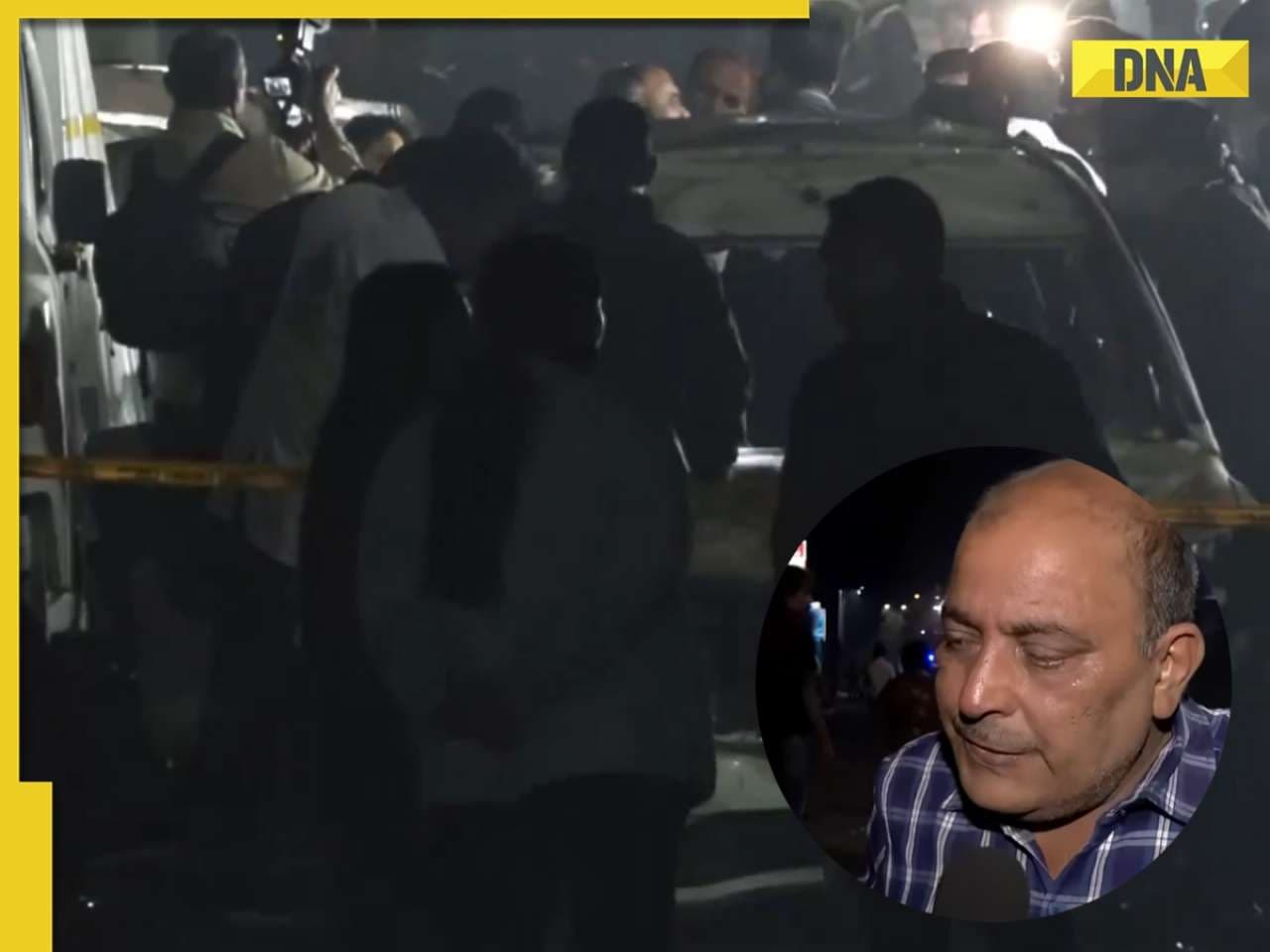
Delhi car blast: Eyewitness get emotional while describing horror of explosion | WATCH
Content
Key Insights
The incident on November 10 in Delhi’s Chandni Chowk near Red Fort involved a car bomb explosion resulting in approximately a dozen fatalities and multiple injuries, creating widespread panic.
Immediate stakeholders include the victims, local residents, emergency responders, and government officials, while peripheral groups encompass citywide commuters, businesses in the area, and national security agencies.
The blast caused significant behavioral changes, such as heightened fear among locals and disruption in public transport and commerce.
Historically, the attack echoes earlier violent events like the Pahalgam attack in May 2025, sharing operational similarities in targeting crowded public places and prompting rapid governmental response.
Looking ahead, while innovative surveillance and intelligence mechanisms could mitigate future risks, failure to improve security protocols might lead to more severe attacks.
From a regulatory authority viewpoint, priority recommendations are: first, enhancing intelligence networks with new technologies (high impact, moderate complexity); second, increasing on-ground security presence in vulnerable zones (moderate impact, low complexity); and third, launching community awareness programs for early threat detection (moderate impact, moderate complexity).
This structured approach supports a balanced mitigation strategy addressing both immediate risk and long-term security resilience.