
New method pulls battery-ready lithium hydroxide from dead cells
Content
Key Insights
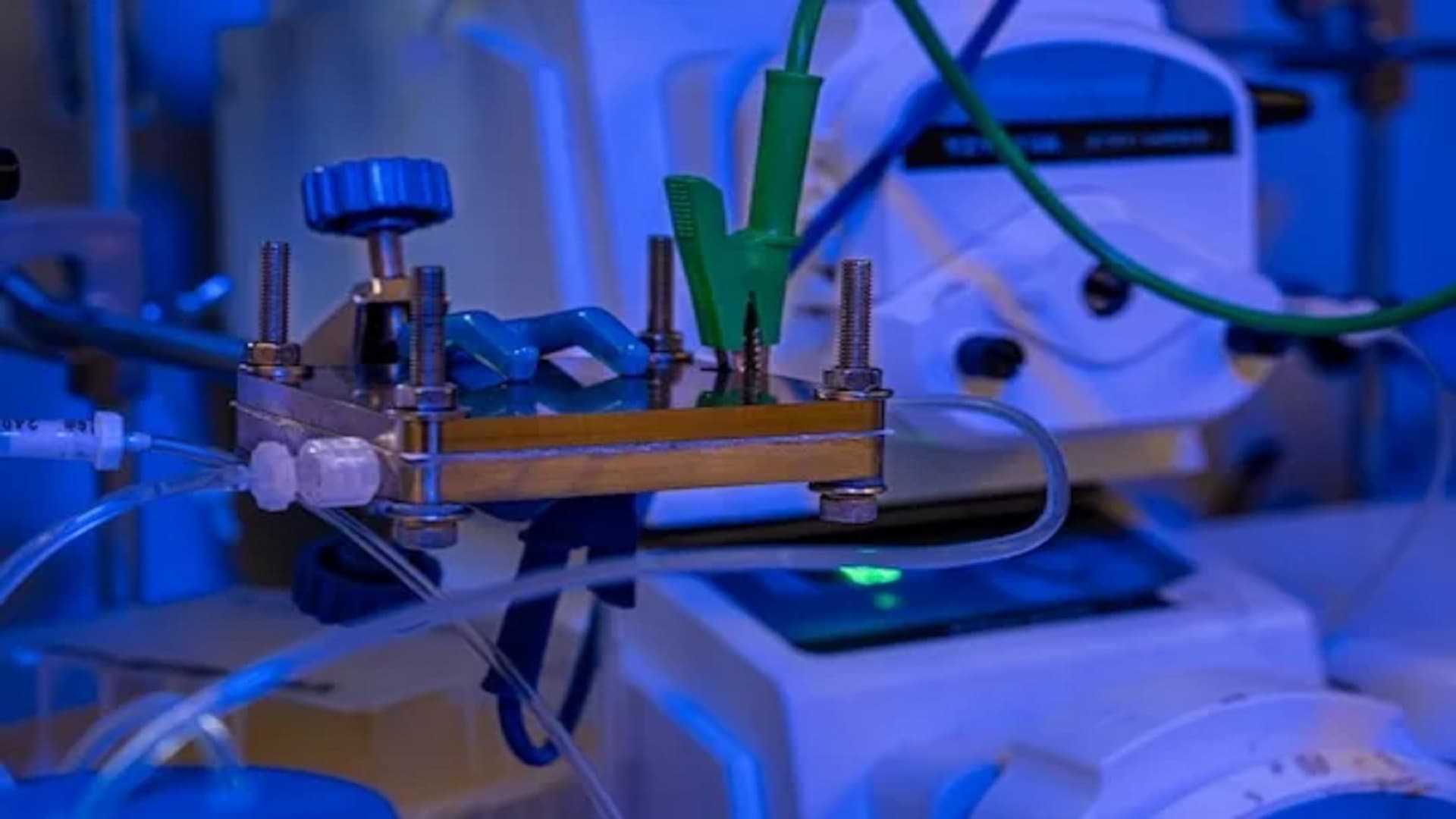
The core facts extracted include Rice University engineers developing a novel electrochemical method to recover lithium directly as lithium hydroxide from spent battery cathodes, bypassing traditional smelting and chemical-intensive processes.
The method demonstrated high purity (over 99%), nearly 90% lithium recovery, and low energy consumption (103 to 536 kJ/kg), tested over 1,000 hours with industrial black mass.
Key stakeholders include battery manufacturers, recycling companies, electric vehicle producers, and environmental regulators, while downstream industries relying on lithium supply are indirectly impacted.
Immediate impacts involve reduced process complexity, lower energy use, and waste generation, promoting a more resilient lithium supply chain.
Historically, this contrasts with acid leaching and pyrometallurgical methods widely used since early battery recyclings in the 1990s, which are more resource-intensive and less selective.
Optimistic future scenarios highlight scaling this technology to industrial levels, enabling automated, low-carbon recycling integrated into disassembly lines, driving circular economy goals.
Risks involve scaling challenges, membrane durability, and managing post-treatment steps to further reduce emissions.
As a technical expert, recommendations include prioritizing membrane optimization to enhance selectivity and lifespan, scaling reactor stacks for mass processing, and innovating energy-efficient crystallization processes; membrane improvement carries moderate complexity but high impact, scaling demands significant investment with substantial benefit, and crystallization innovation is less complex yet crucial for sustainability.
This analysis underscores verified advancements in electrochemical lithium recovery while acknowledging future engineering hurdles to fully realize commercial deployment.