
‘Bihar Has Given New MY Formula Of Mahila & Youth’: PM Modi Attacks RJD In Victory Speech
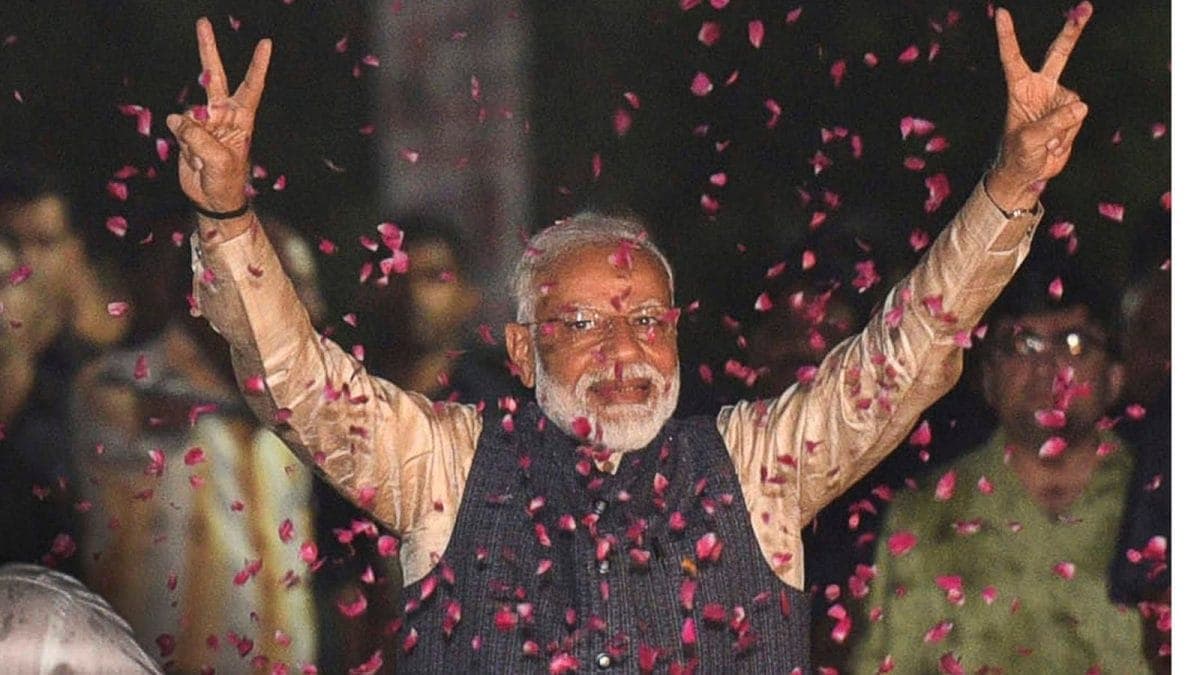
Content
Key Insights
The Bihar Assembly election results from November 14, 2025, mark a significant political shift, with the NDA securing over 200 seats, reflecting a massive mandate for governance centered on development and social justice.
Stakeholders directly involved include the NDA coalition led by BJP and JD(U), opposition entities like RJD and Congress, and the millions of Bihar's youth and women voters who decisively influenced the outcome.
Secondary groups affected encompass broader socio-political actors across Bihar who rely on caste and religious alignments, witnessing a disruption in traditional vote banks.
Immediate impacts include a tangible move away from communal politics towards inclusive growth narratives, reminiscent of previous transformative electoral moments such as the 2010 Bihar polls, yet distinguished by the explicit focus on youth and female empowerment.
Looking ahead, optimistic scenarios suggest the potential for robust socio-economic development and cultural revitalization if the government successfully leverages this mandate.
Conversely, risks lie in possible backlash from marginalized political factions and the challenge of meeting heightened expectations.
From a regulatory standpoint, priority recommendations include enhancing electoral transparency to sustain voter confidence, implementing targeted youth and women empowerment schemes to consolidate support, and establishing mechanisms to monitor social cohesion to preempt communal tensions.
These actions balance feasibility and impact, aiming to sustain democratic integrity and promote inclusive progress in Bihar’s evolving political context.