Content
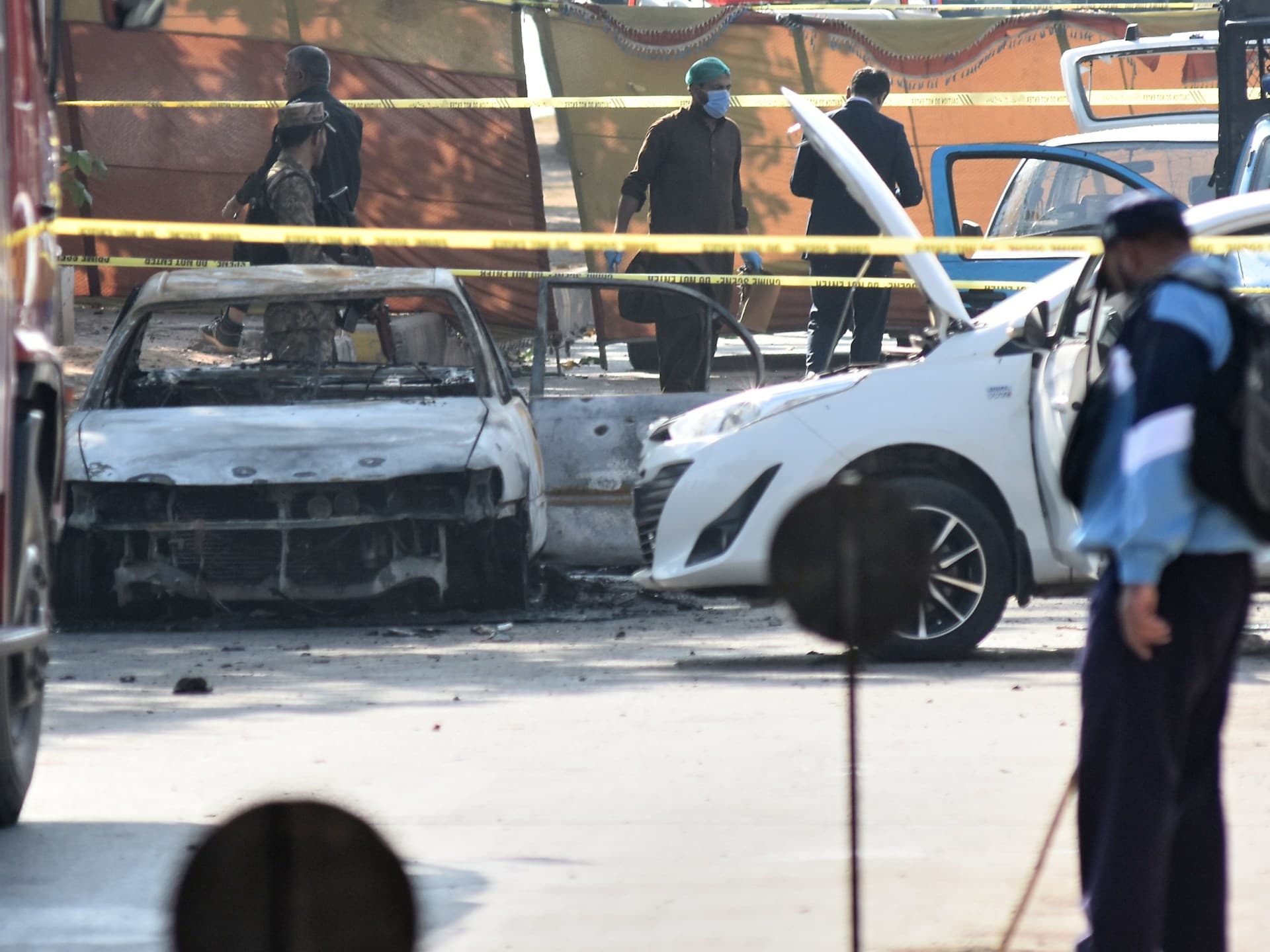
Pakistani authorities have apprehended four individuals connected to an Afghan-based cell suspected of orchestrating a deadly suicide bombing in Islamabad. This devastating attack, targeting a district court earlier this week, claimed the lives of 12 people and injured dozens more. The group behind the attack is affiliated with the Tehreek-e-Taliban Pakistan (TTP), a faction of the Pakistani Taliban that has openly claimed responsibility. Officials say the arrested men were linked to the TTP and had guidance from the group’s leadership based in Afghanistan.
According to a statement released by the Pakistani government, the cell’s commander and three other members are currently in custody as investigations continue. The suicide bomber has been identified as Usman, also known as Qari, hailing from Nangarhar province in eastern Afghanistan. Interior Minister Mohsin Naqvi confirmed in the Senate that the attacker was Afghan. One suspect, Sajid Ullah, revealed that Saeed-ur-Rehman, a TTP commander known as Daadullah, directed the operation through Telegram messaging app. Daadullah, originally from Pakistan’s Bajaur region, is believed to be hiding in Afghanistan and is part of the Taliban’s intelligence wing.
The arrests resulted from a joint operation by Pakistan’s Intelligence Bureau and Counter-Terrorism Department, though authorities haven’t disclosed the exact locations of the detentions. Islamabad had been relatively free from such violent incidents in recent years, with the last suicide bombing recorded in December 2022. However, officials warn that violence is resurging, mainly fueled by armed groups allegedly operating from Afghan soil.
In addition to the Islamabad bombing, Pakistani officials accused Afghan nationals of participating in a violent attack on Cadet College Wana earlier this week. During that assault, gunmen engaged in a nearly 20-hour firefight, resulting in the deaths of three soldiers and all the attackers. The Taliban government in Afghanistan has not directly responded to these accusations but expressed deep sorrow and condemnation over the recent attacks.
The deteriorating relationship between Islamabad and Kabul has reached new lows, exacerbated by recent cross-border clashes last month that resulted in over 70 deaths, including numerous Afghan civilians. Despite several rounds of talks, both sides failed to finalize the details of a fragile ceasefire, each blaming the other for the deadlock. With the recent attacks, there’s growing concern that hostilities between the two neighbors could reignite.
Pakistan’s Prime Minister Shehbaz Sharif addressed parliament about the Islamabad bombing, condemning it as a horrific act of terrorism. He reiterated Pakistan’s desire for peace and a cooperative relationship with Afghanistan, emphasizing that the country cannot tolerate lies or fail to control terrorists operating along its borders. The government remains committed to pursuing further investigations and anticipates additional arrests as they work to dismantle these militant networks.