
Farmers devastated as extreme storms destroy key crops — here's what's happening
Content
Key Insights
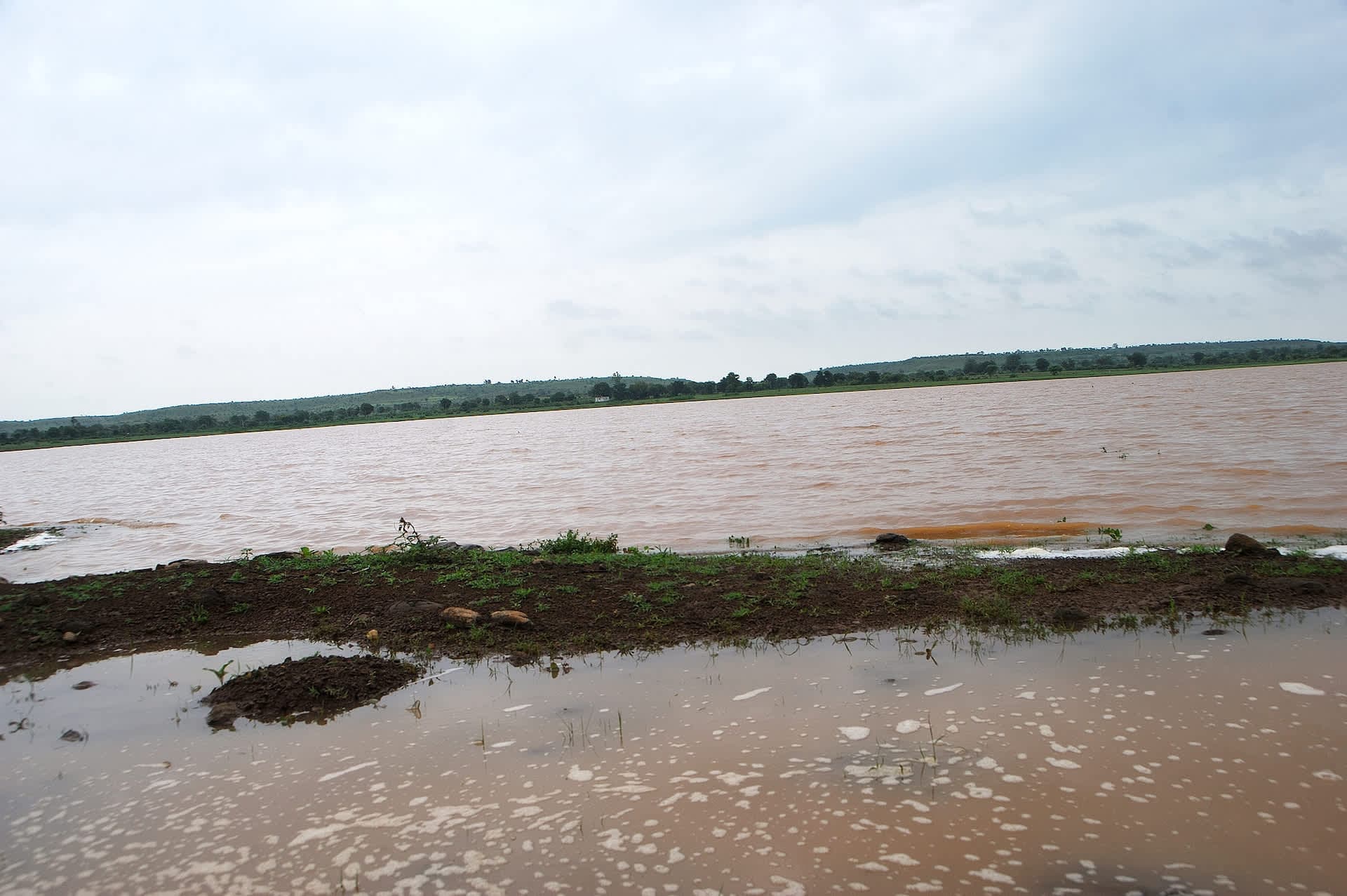
Key facts involve the destruction of over 350,000 acres of farmland in Yadgir, India, during August and September due to flooding, with cotton as the most affected crop.
Stakeholders directly involved include the farmers and local agricultural departments, while peripheral groups impacted include consumers and the broader workforce reliant on agriculture.
Immediate consequences are behavioral shifts among farmers awaiting compensation and sectoral disruptions in crop production and supply chains.
Comparatively, similar flooding events in Indian states like Kerala in 2018 showed differing response mechanisms, where quicker governmental relief and infrastructure resilience minimized long-term damage.
Looking ahead, optimistic scenarios hinge on adopting clean energy and climate-resilient farming, while risks involve continued environmental degradation from fossil fuel dependence.
From a regulatory perspective, prioritized recommendations include accelerating renewable energy adoption, enhancing farm irrigation infrastructure, and establishing efficient compensation mechanisms.
Implementation complexity rises from infrastructure projects, but expected outcomes in farmer stability and food security justify the efforts.
This analysis underscores the urgent need for integrated climate adaptation and mitigation strategies to protect agricultural livelihoods and national food systems.