
JD Vance goes after "scumbags" attacking his staff
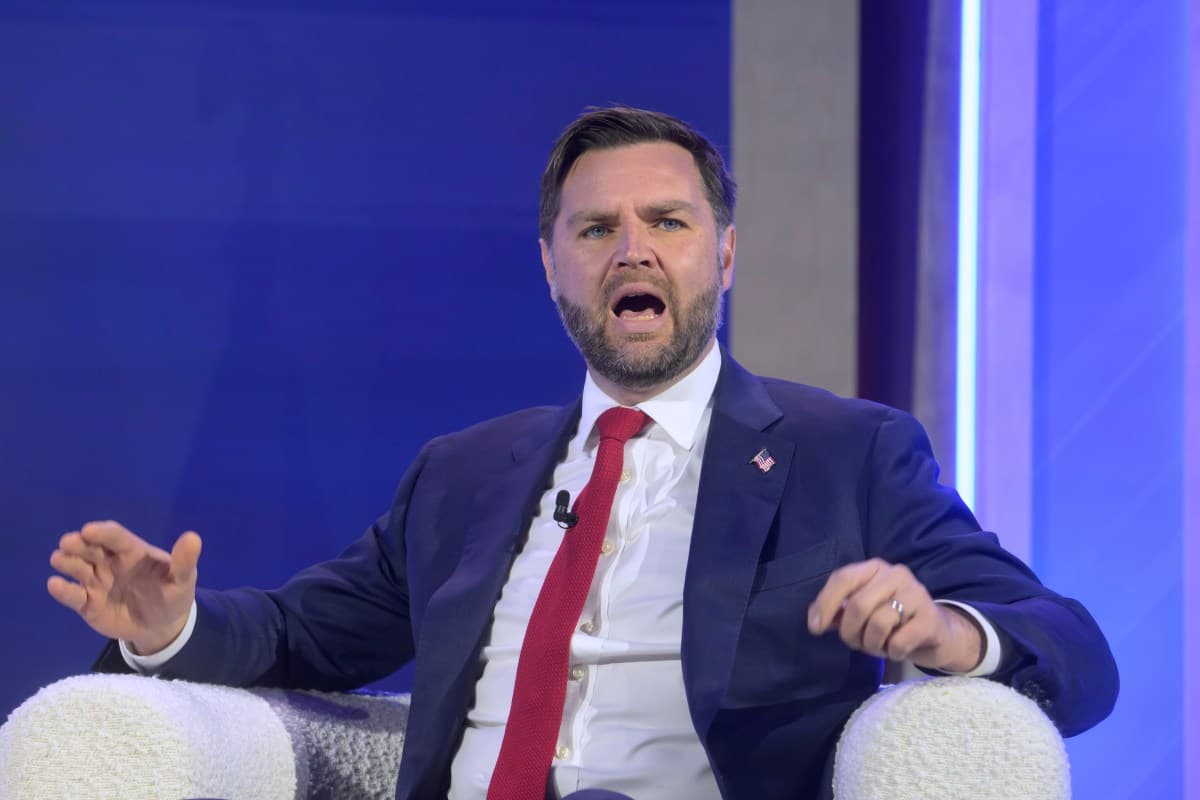
Content
Key Insights
The core facts extracted include JD Vance's defense of his deputy Buckley Carlson against accusations of bigotry linked to his family, the social media conflict involving Sloan Rachmuth's allegations, and the broader context of Tucker Carlson’s controversial interview with Nick Fuentes in October.
This incident is set in the U.S. political arena, with direct stakeholders including Vance, Buckley Carlson, and Rachmuth, while peripheral groups involve conservative political factions, Jewish and Christian communities, and media audiences affected by the discourse.
Immediate impacts manifest in heightened political polarization and intensified social media conflicts, echoing earlier political controversies involving media figures and extremist ties, such as the backlash against other public figures who engaged with far-right personalities.
Historically, similar controversies have triggered intense public debates and institutional responses, though resolutions often remain partial, underscoring persistent societal divisions.
Future projections suggest two paths: one where political discourse evolves toward clearer boundaries between free expression and hate speech, fostering improved accountability, and another where unchecked polarization exacerbates social fragmentation and misinformation.
From a regulatory standpoint, recommendations include implementing stricter social media content oversight to curb defamatory attacks, promoting transparency in political staff appointments to enhance public trust, and fostering bipartisan dialogue initiatives to mitigate divisiveness.
Prioritization favors immediate content moderation reforms for significant impact but moderate complexity, followed by transparency policies with moderate implementation efforts, and long-term dialogue programs requiring extensive coordination but promising durable outcomes.