
A 5. 5 magnitude earthquake in central Bangladesh kills at least 7 people
Content
Key Insights
The core facts of this incident include a significant 5.5 magnitude earthquake striking central Bangladesh at 10:38 a.m. near Ghorashal, Narsingdi district, causing at least seven deaths and numerous injuries.
Directly involved stakeholders are the affected residents, emergency services, and government authorities managing disaster response.
Peripheral groups include neighboring communities and institutions potentially impacted by infrastructural damage or disruptions.
Immediately, the quake caused panic, building collapses, and hospitalizations, showing behavioral shifts like people fleeing buildings and students jumping from dorms.
Historically, comparable events include past moderate quakes in Bangladesh’s seismic zones, where limited preparedness exacerbated damage.
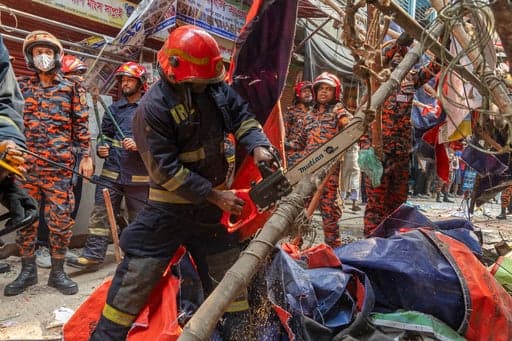
Response mechanisms this time involved rapid deployment of firefighters and media coverage, but challenges remain.
Optimistically, this event could prompt innovations in earthquake-resistant infrastructure and enhanced early warning systems.
However, risks of future higher-magnitude quakes demand urgent mitigation strategies such as stricter building codes and public education.
From a regulatory standpoint, three key recommendations are: 1) Enforce rigorous seismic construction standards (high priority, significant outcome), 2) Develop comprehensive community disaster preparedness programs (medium priority, moderate outcome), 3) Invest in advanced seismic monitoring and early warning technologies (low priority, long-term benefit).
These steps could substantially reduce casualties and damage in future events.