Content
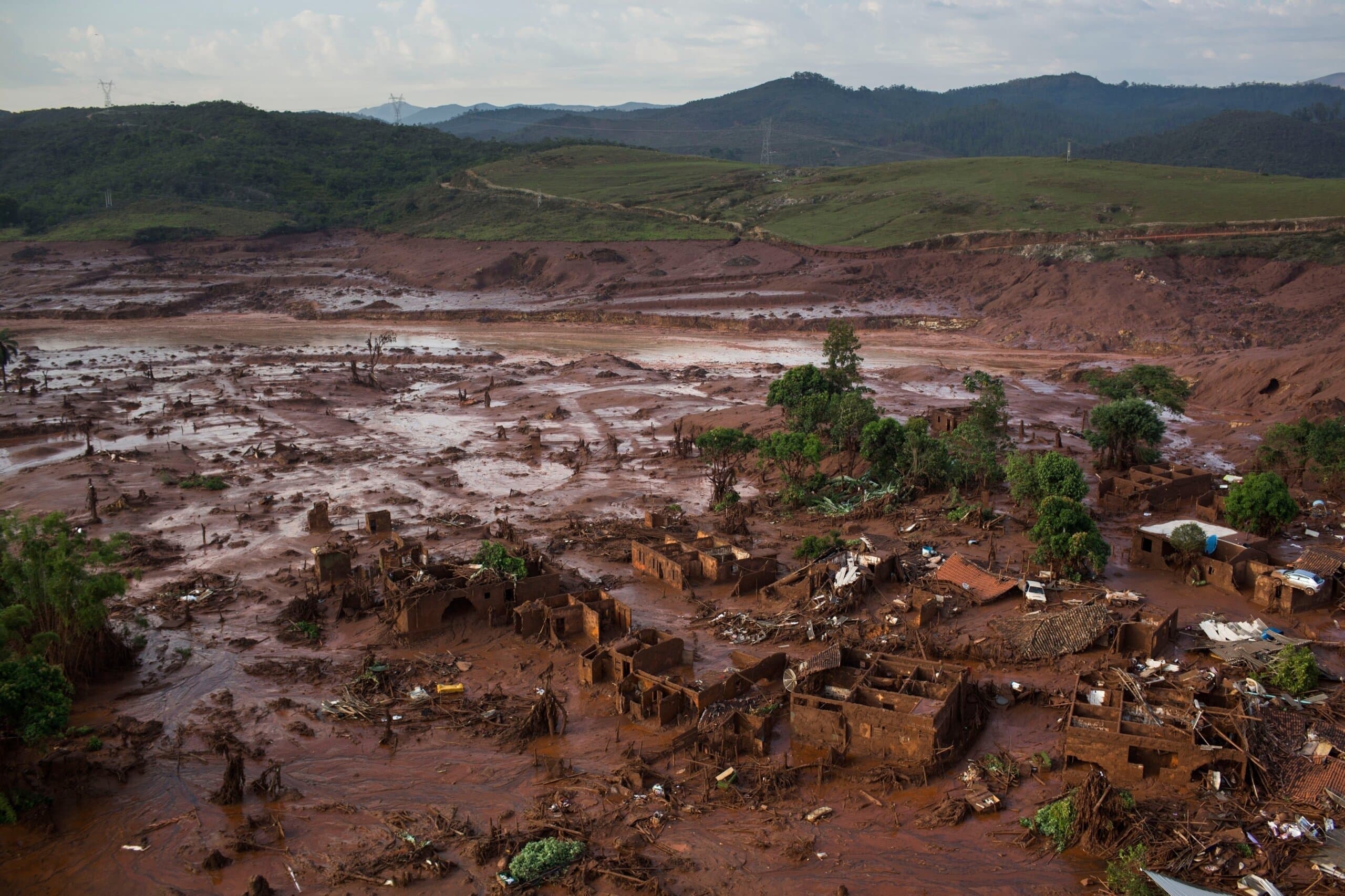
A week before the catastrophic dam collapse that devastated the Krenak people's homeland, the community sensed something terrible was about to happen. Birds fell silent, the air felt heavy, and an eerie stillness took over their village nestled in Minas Gerais, Brazil. Then, on November 5, 2015, the dam, owned by Samarco—a joint venture between Brazilian miner Vale and Anglo-Australian BHP Billiton—burst. It unleashed a flood of toxic iron ore waste that buried Bento Rodrigues, a nearby town, killed 19 people, and polluted the Doce River for nearly 600 kilometers until reaching the Atlantic Ocean. For the Krenak people, the disaster wasn’t only environmental but deeply spiritual, severing their connection to the river that had sustained their rituals, food supply, and way of life for generations.
The Mariana dam collapse dumped roughly 40 million tons of mining waste into one of Brazil’s most ancient and vital river systems. A decade later, the river remains contaminated with heavy metals, the local communities still suffer, and legal wrangling over reparations drags on without meaningful change. Despite Brazil’s ambitions to showcase environmental leadership by hosting COP30, critics argue the country’s actions tell a different story. Environmental protections have weakened following the disaster, and Indigenous peoples say their voices and rights continue to be sidelined amid ongoing degradation.
Brazilian President Luiz Inácio Lula da Silva hopes COP30 will bolster his environmental credentials, but the unresolved Mariana legacy and subsequent policy shifts expose contradictions. Maurício Guetta from the advocacy group Avaaz points to laws passed since the disaster that reduce nature and Indigenous protections, undermining Brazil’s ability to lead on climate. Indigenous congresswoman Célia Xakriabá, representing Minas Gerais, calls the disaster "a crime still in progress," highlighting ongoing contamination and illness affecting her people. For her, real climate leadership starts with justice and healing for those directly harmed, not just high-profile speeches.
The environmental damage wasn’t an isolated incident. After the Mariana collapse, weakening of environmental licensing in Minas Gerais contributed to the even deadlier Brumadinho dam failure in 2019, which killed over 270 people. In October 2024, a historic 132 billion-reais ($23 billion) settlement was signed with Samarco, Vale, and BHP to fund social and environmental repairs, bringing total payments related to the disaster to around 170 billion-reais ($30 billion). Yet, critics warn that Brazil’s environmental governance remains fragile, with ongoing efforts to deregulate mining and industrial oversight, risk further harm to Indigenous lands and the environment.
New laws passed in 2023 restrict Indigenous land claims and relax environmental licensing requirements, threatening Brazil’s climate targets under the Paris Agreement. Congress is also debating additional bills that could dismantle environmental oversight, while agencies tasked with enforcement remain underfunded and understaffed. Meanwhile, mining and agriculture continue to push into vulnerable ecosystems, compounding the risks.
Many Indigenous people remain skeptical about COP30. Shirley Djukurnã Krenak says her community won’t attend, seeing the summit as a platform for greenwashing rather than real change. Anthropologist Ana Magdalena Hurtado echoes concerns that Indigenous voices, though given space, often don’t result in meaningful follow-up or policy shifts. Nonetheless, some Indigenous leaders hold onto hope that true change is possible—hoping for a future where their children can drink clean water without fear.
The Mariana dam disaster stands as a stark reminder of the human and environmental cost of inadequate regulation and corporate negligence. As Brazil prepares to host the world on climate action, the unresolved pain, injustice, and ecological damage suffered by Indigenous peoples cast a long shadow over the summit’s ambitions.