Content
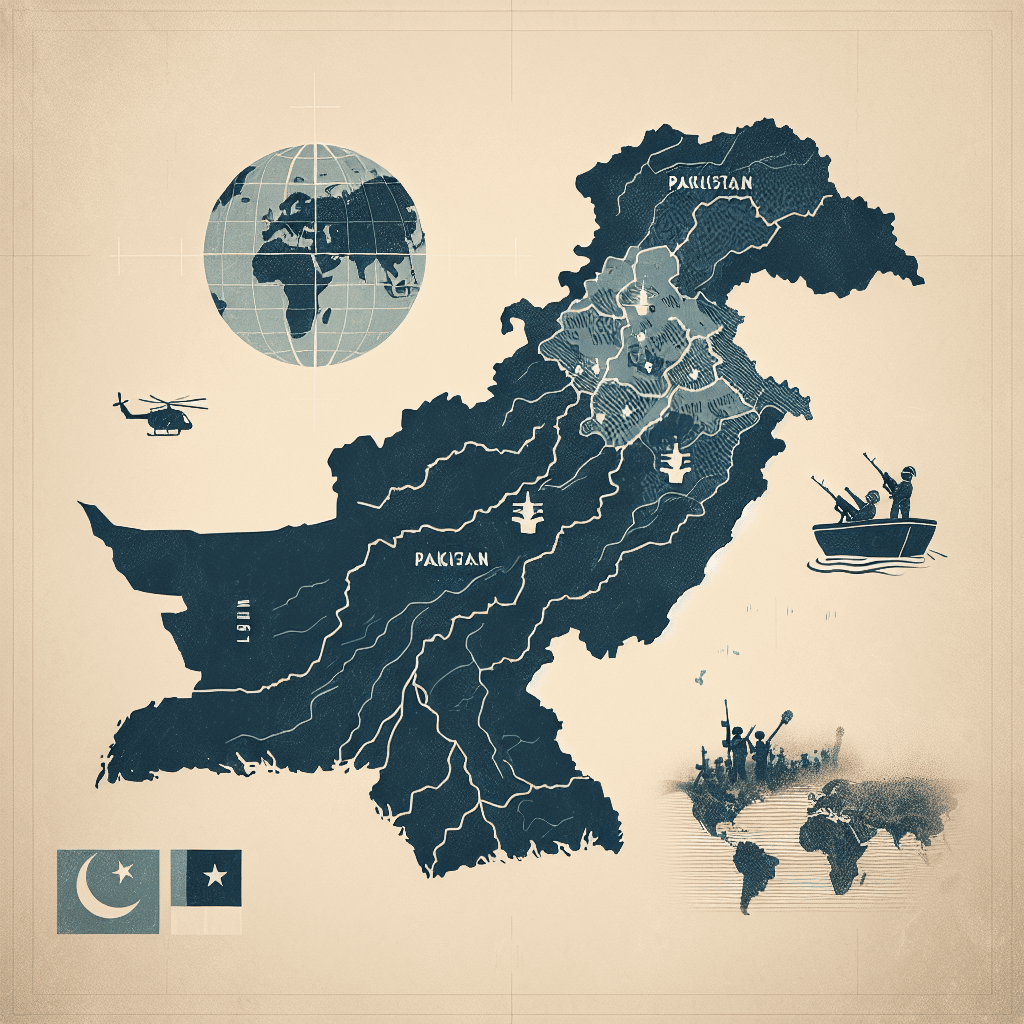
In a recent string of operations across Pakistan's Khyber Pakhtunkhwa (KP) province, security forces have neutralized 21 militants within a span of less than a week. This intense crackdown underscores a turning point in Pakistan's ongoing struggle against terrorism. While these immediate tactical achievements are noteworthy, they represent more than just isolated victories. The operations mark a strategic shift in approach – moving away from merely targeting well-known terrorist entities to actively disrupting emerging proxy networks that threaten to create new militant safe havens.
Official statements from the Inter-Services Public Relations (ISPR), Radio Pakistan, Dawn, and other prominent media outlets have confirmed the elimination of militants particularly in Bannu and other parts of KP. These groups have been explicitly labeled as "Khwarij of Indian Proxy" by Pakistani authorities, pointing toward alleged external interference, especially from across the Indian border. The use of the term “Khwarij,” with its historical reference to a radical Islamic sect, suggests that these militants operate outside traditional extremist frameworks, possibly representing a newer, more radicalized generation influenced heavily by foreign actors. This framing highlights Pakistan’s perspective that these groups are deliberately cultivated proxies, aiming to destabilize the region.
The accusation of Indian proxy involvement adds layers of complexity to the regional security dynamics. Though concrete proof remains a topic of debate internationally, Pakistan’s security agencies view cross-border terrorism as a direct threat to national stability. The recent counter-terrorism measures reinforce Pakistan’s determination to counter what it perceives as a coordinated external effort to foment unrest. However, focusing solely on external blame risks overlooking internal contributors such as socio-economic hardships, political exclusion, and the presence of ungoverned or poorly governed territories. A truly effective counter-terrorism strategy should strike a balance, addressing both external threats and internal vulnerabilities.
Looking ahead, these operations are likely just the initial phase of a broader, more intelligence-driven counter-terrorism approach. Future efforts are expected to emphasize enhanced border security measures, including intensified surveillance and patrols along the Afghanistan-Pakistan frontier to curb militant infiltration and arms smuggling. Furthermore, there will likely be a push toward developing cyber warfare capabilities aimed at disrupting online radicalization networks and financial channels that support terrorism.
Community engagement programs are also anticipated to play a crucial role. By promoting education, economic opportunities, and social inclusion, these initiatives aim to tackle the root causes of militancy, reducing the pool of individuals susceptible to extremist recruitment. Additionally, strengthened regional cooperation with neighboring countries like Afghanistan and Iran is seen as vital to addressing cross-border security challenges effectively.
Statistical data from recent years reveal a downward trend in terrorist attacks in KP, from 145 in 2023 to an expected 65 in 2025, alongside a rising number of militant casualties. Despite this progress, the sustained success of Pakistan's counter-terrorism efforts hinges on adopting a holistic, intelligence-led prevention model. This means shifting focus from just eliminating active militants to preventing the emergence of new militant factions through multi-layered strategies that combine kinetic operations with socio-economic development and regional diplomacy.
Addressing common questions, the "Khwarij" designation signals a departure from traditional militant identities toward more radical, externally influenced groups. While increased border security may disrupt trade flows temporarily, long-term stability is essential for economic growth, which can be supported through streamlined customs and cooperation. Socio-economic development is crucial for undermining militancy recruitment, and regional cooperation is indispensable for achieving lasting peace.
In sum, Pakistan’s counter-terrorism landscape in KP is evolving from reactive military actions to proactive, intelligence-led prevention. The balance of tactical success with strategic foresight and regional collaboration will likely determine the future trajectory of stability and security in the region.