
Brazil's Lula to call Trump if tariff talks stall, pushes against conflict in Venezuela
Content
Key Insights
Key facts extracted include Brazil's President Lula's intention to call Donald Trump if tariff negotiations stall, the imposition of over 50% tariffs by the U.S. on Brazilian goods, and the push to avoid conflict in Venezuela amid U.S. military action orders.
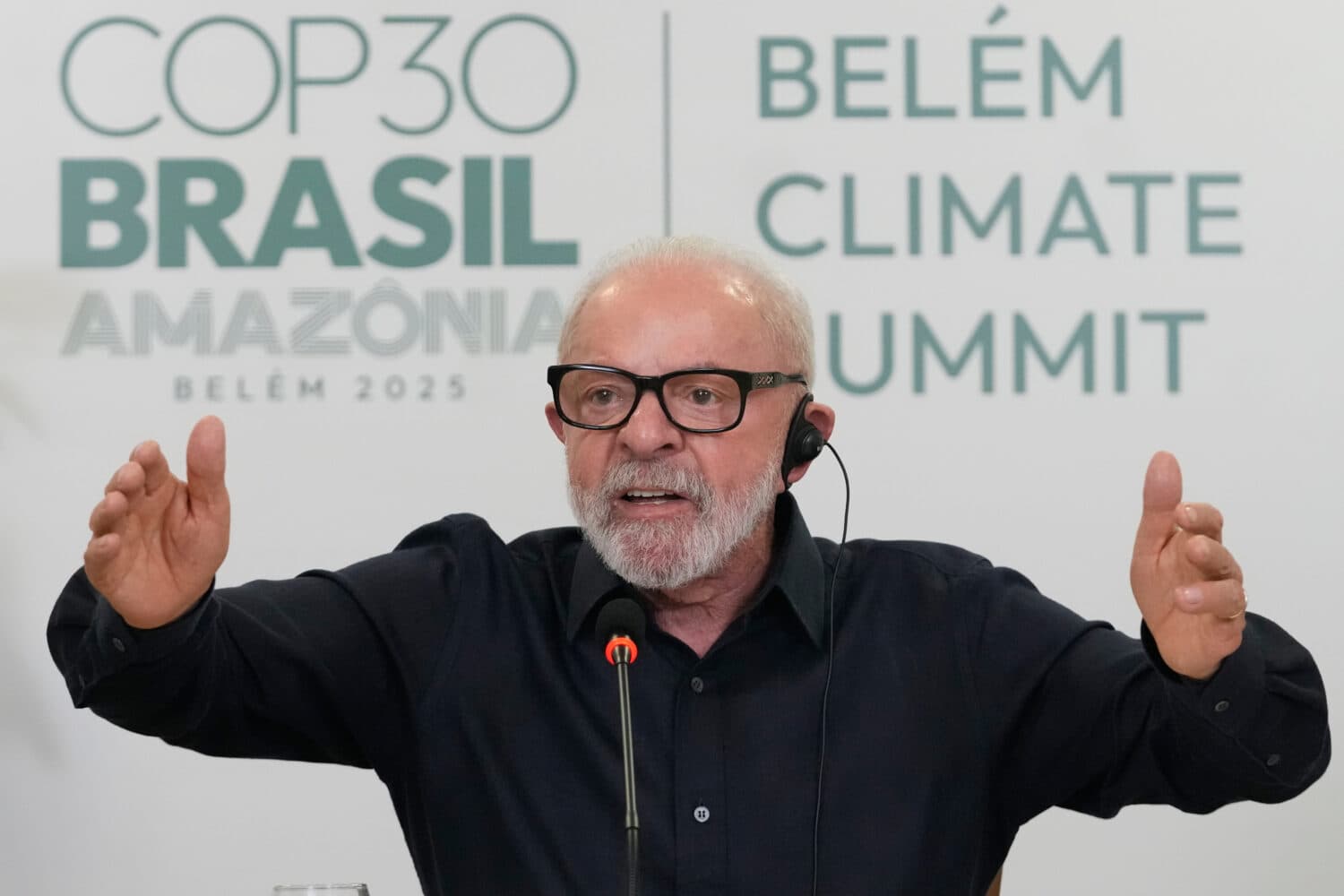
The temporal setting is November 2025 during the COP30 Climate Summit in Belem, Brazil, with geographic focus on Latin America and the U.S. Stakeholders directly involved are Brazil's government, the U.S. administration under Trump, and Latin American nations within CELAC, while Brazilian exporters and regional populations face secondary impacts.
Immediate consequences include potential shifts in trade policies and diplomatic relations, while regional security concerns increase due to military activities near Venezuela.
Historical parallels are drawn to the 2002 Venezuela coup attempt and subsequent U.S. engagement under George W. Bush, highlighting the value of diplomatic resolutions.
Future projections suggest an optimistic path through strengthened dialogue and trade agreements versus risks of escalating tariffs and military conflicts.
Recommendations for regulatory authorities include prioritizing expedited trade negotiations to reduce tariff barriers, enhancing regional diplomatic forums to preempt conflict, and deploying conflict resolution mechanisms tailored to Latin American political dynamics, with the trade negotiations taking highest priority due to their direct economic impact.