
Call to ban 'horrendous' item after sombre discovery in bush: 'Death trap'
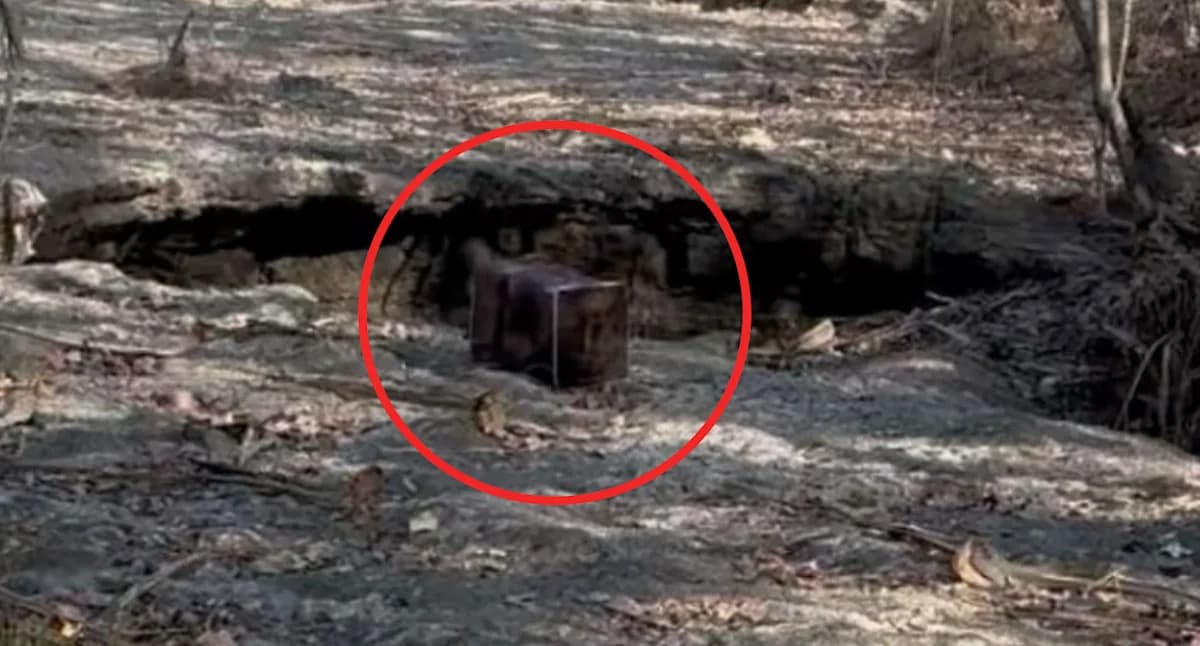
Content
Key Insights
The key facts from this incident include the discovery of a dead native rakali trapped in a bait trap in Townsville, the characterization of these traps as "death traps" due to their design and impact, the involvement of community advocate Dave Dudley, and the call from wildlife experts like Tamille Brunt for design modifications to prevent wildlife harm.
Primary stakeholders include local wildlife such as rakali and other unintended trapped species, fishermen using these traps, environmental advocates, and local authorities responsible for regulation.
The immediate impact includes animal suffering and death, increased community awareness, and pressure on retailers and regulators for safer product standards.
Historically, this parallels other wildlife conservation efforts where modifications to human tools have mitigated unintended ecological damage, such as changes in fishing net designs to reduce bycatch.
Looking ahead, optimistic scenarios envision the adoption of wildlife-friendly bait traps and increased regulation, improving ecosystem health.
Conversely, risks involve continued wildlife harm if no changes are made, potentially leading to declines in native species.
From a regulatory perspective, three prioritized recommendations are: first, enforce mandatory design standards requiring escape hatches or size-restricted entrances (high impact, moderate complexity); second, implement regular inspections and penalties for abandoned traps (moderate impact, moderate complexity); third, launch public education campaigns promoting wildlife-friendly fishing practices (moderate impact, low complexity).
This approach balances practicality with conservation goals, aiming to reduce animal suffering while preserving recreational fishing activities.