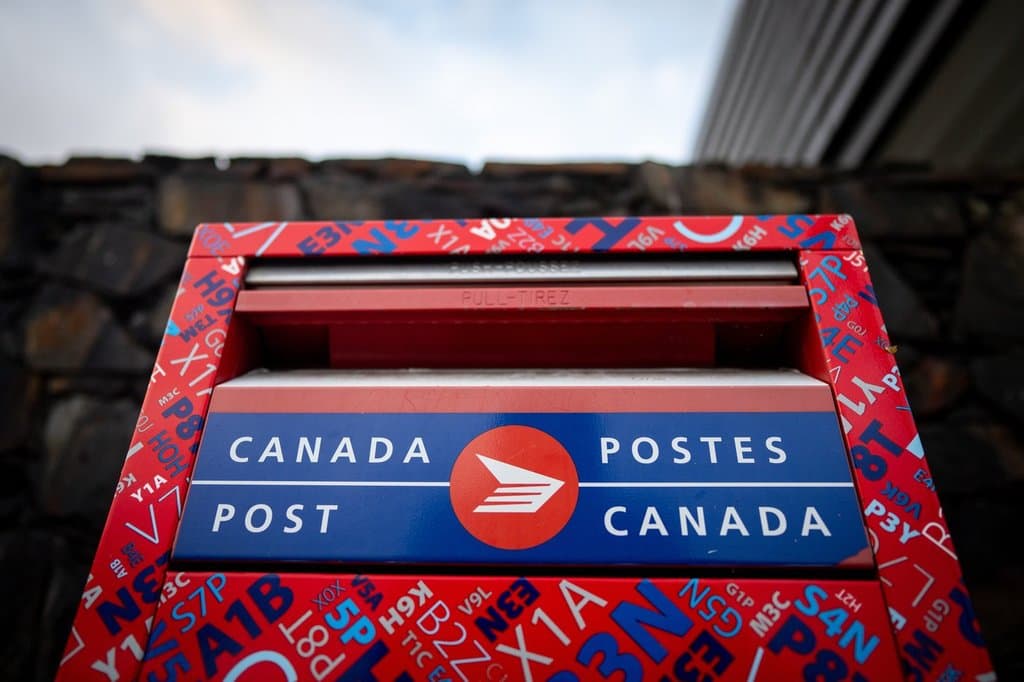
Canada Post reaches deal in principle with union, strike suspended
After two years of intense and often difficult negotiations, Canada Post and the union representing thousands of mail carriers across the country have reached an agreement in principle. This development marks a significant step forward after a prolonged period of contentious bargaining that had cast uncertainty over mail delivery services nationwide. The Canadian Union of Postal Workers (CUPW) confirmed that the rotating strikes, which had disrupted postal operations intermittently, are now suspended while both parties iron out the final contract language. The agreement in principle suggests that the key points of the deal are settled, but the specifics still need to be finalized before the union members get a chance to vote on it. Both Canada Post and CUPW are working toward drafting tentative agreements that capture the terms they’ve agreed upon so far. However, if the negotiations around the contract language hit a snag, there’s still a possibility that strikes could resume, which would be particularly problematic as the holiday season approaches—a period when reliable mail and parcel delivery is most critical. The negotiations have reflected deeper tensions between the union's demands and Canada Post’s operational challenges. The union has been pushing for better wages and job security for its members, who have faced a changing work environment and job pressures over the years. Meanwhile, Canada Post has sought changes aimed at overhauling its business model, which has been struggling with structural issues and financial losses. In fact, during the bargaining period, Canada Post reported its steepest quarterly loss ever, underscoring how the labor dispute intersected with broader organizational hurdles. This labor saga has seen many twists and turns, with both sides grappling to balance financial sustainability and worker rights. The union’s rotating strike action had a direct impact on postal services, creating delays and uncertainty for customers across the country. The suspension of these strikes is a relief to many who rely on mail services, especially businesses and individuals expecting timely deliveries during the critical end-of-year period. As the two sides finalize the contract language, all eyes remain on the upcoming member vote within CUPW. If the tentative agreements are approved, it would pave the way for a more stable working relationship going forward. However, if talks falter, the resolution period could extend into a difficult holiday season, with renewed strike action disrupting mail and parcel services at a crucial time. Both Canada Post and the union face pressure to reach a final deal that addresses operational realities while ensuring fair treatment and job security for postal workers. The resolution of this dispute will likely have lasting effects on the postal service’s ability to modernize and remain financially viable. Canada Post must manage its structural challenges while keeping its workforce engaged and fairly compensated. For the union, securing gains in wages and job security remains a priority in an industry facing rapid change due to digital alternatives and shifting consumer behavior. This agreement in principle is a hopeful sign, but much work remains before the dispute is fully resolved and the postal system stabilizes. Key facts extracted include the two-year duration of bargaining, the agreement in principle reached between Canada Post and the Canadian Union of Postal Workers, the suspension of rotating strikes, and the context of Canada Post's steepest quarterly loss amid the dispute. The primary stakeholders are Canada Post and CUPW, with secondary impacts on mail customers, businesses depending on timely deliveries, and the wider Canadian supply chain. Immediate consequences include halted strike actions and the potential for renewed disruption if contract language negotiations fail. Historically, this labor dispute mirrors earlier postal strikes in Canada that combined service disruptions with financial pressures on the postal system. Future outlooks range from optimistic scenarios where a finalized deal fosters innovation and operational reforms, to risk scenarios involving strike renewals and further financial losses. From a regulatory authority perspective, recommendations include prioritizing expedited contract finalization to avoid holiday disruptions, implementing structural reforms alongside labor agreements to ensure long-term viability, and establishing continuous dialogue channels between management and unions to preempt future conflicts. These steps balance complexity and impact, aiming for stability and improved postal service performance.