Content
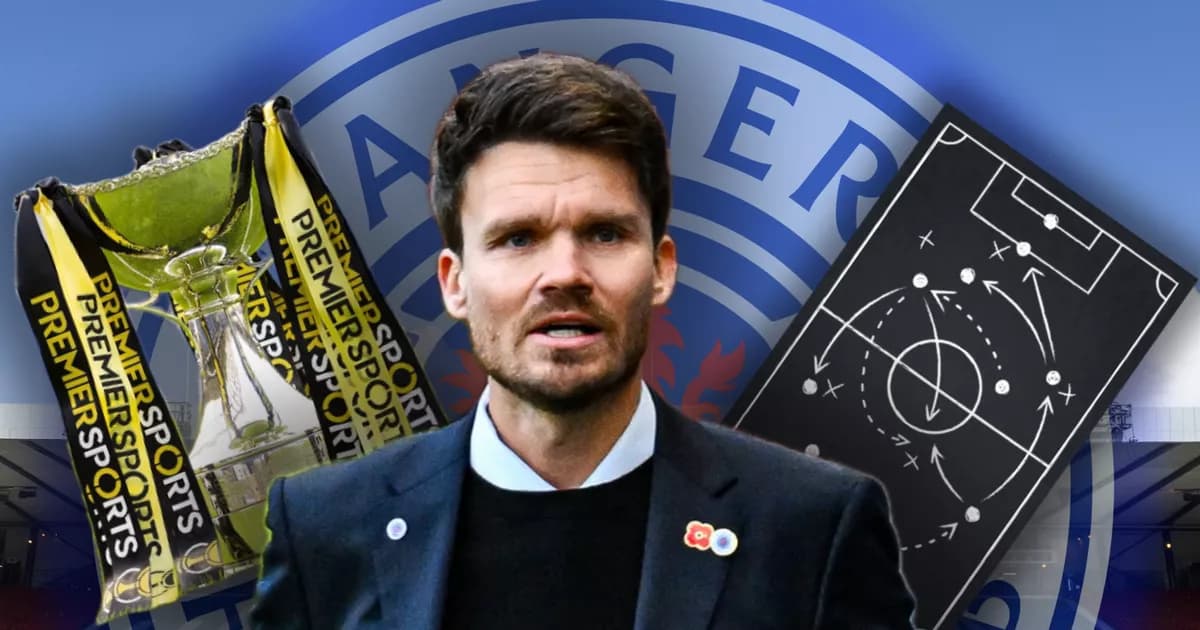
Danny Rohl’s arrival at Rangers was hardly planned, yet here he is, right in the thick of a crucial moment that could reshape his standing at the club. Coming in as a 36-year-old German coach with a somewhat modest record — just 83 games managing Sheffield Wednesday and a 12th-place finish in the Championship — Rohl’s credentials were initially questioned. Many wondered if he could fill the shoes of the legendary Walter Smith or even live up to the expectations set by previous Rangers managers. But now, with a key game against Celtic looming at Hampden, Rohl finds himself in a unique position to finally bridge the credibility gap that's followed him since his arrival.
Since Rangers’ rebirth post-2012 liquidation, no manager has taken charge while Celtic were truly struggling. Previous bosses like Mark Warburton, Pedro Caixinha, Steven Gerrard, and others have only dealt with a dominant Celtic side riding high on success. The history books are littered with painful defeats to Celtic, humiliating scorelines at Ibrox, and even symbolic gestures like a Celtic scarf tied around a goalpost to mock Rangers fans. But now, the tides have shifted. Celtic, once the unassailable giant, are showing cracks. Back-to-back losses to Dundee and Hearts — something not seen in two years — signal a club in decline, vulnerable and far from their former glory.
For Rohl, this Celtic semi-final represents more than just another match; it’s a chance to flip the script. A win here could vault him from a figure shadowed by imposter syndrome to the real deal in the eyes of Rangers fans. His position is especially notable since he arrived almost by accident after more high-profile names like Steven Gerrard and Kevin Muscat turned down the role. Despite only overseeing a handful of domestic and European fixtures, Rohl’s presence has already breathed new life into the Rangers squad, suggesting that perhaps his predecessor, Russell Martin, didn’t quite get the best out of the players who now seem to be performing better under new leadership.
The stakes couldn’t be higher. A defeat to Martin O’Neill, a veteran manager twice Rohl’s age who’s been out of football for six years, would not only reinforce doubts about Rohl’s capabilities but could drag his imposter syndrome back into the spotlight. The match is set to be a gripping encounter — a semi-final with plenty riding on it and a chance to rewrite recent history. It’s almost certain that the spectacle won’t be anywhere near as humiliating as their last meeting, but for Rohl and Rangers, the outcome will be a defining moment in their season and potentially in Rohl’s managerial career.
As Rangers fans come to terms with Celtic’s decline and the shifting power dynamics in Scottish football, they must recognize the opportunity in front of them. The once dominant Celtic are now vulnerable, and Rohl’s challenge is to capitalize on that vulnerability and lead Rangers to a landmark victory. If he succeeds, his journey from accidental appointment to respected operator will be complete, silencing critics and lifting his approval rating to heights few expected. But failure would see him fall back into the shadows, a reminder that managerial success at Rangers isn’t just about surviving the present — it’s about proving you belong in the club’s storied history.