
'Death Ball' Sponge and Glowing Worms Among Creatures Discovered in Southern Ocean
Content
Key Insights
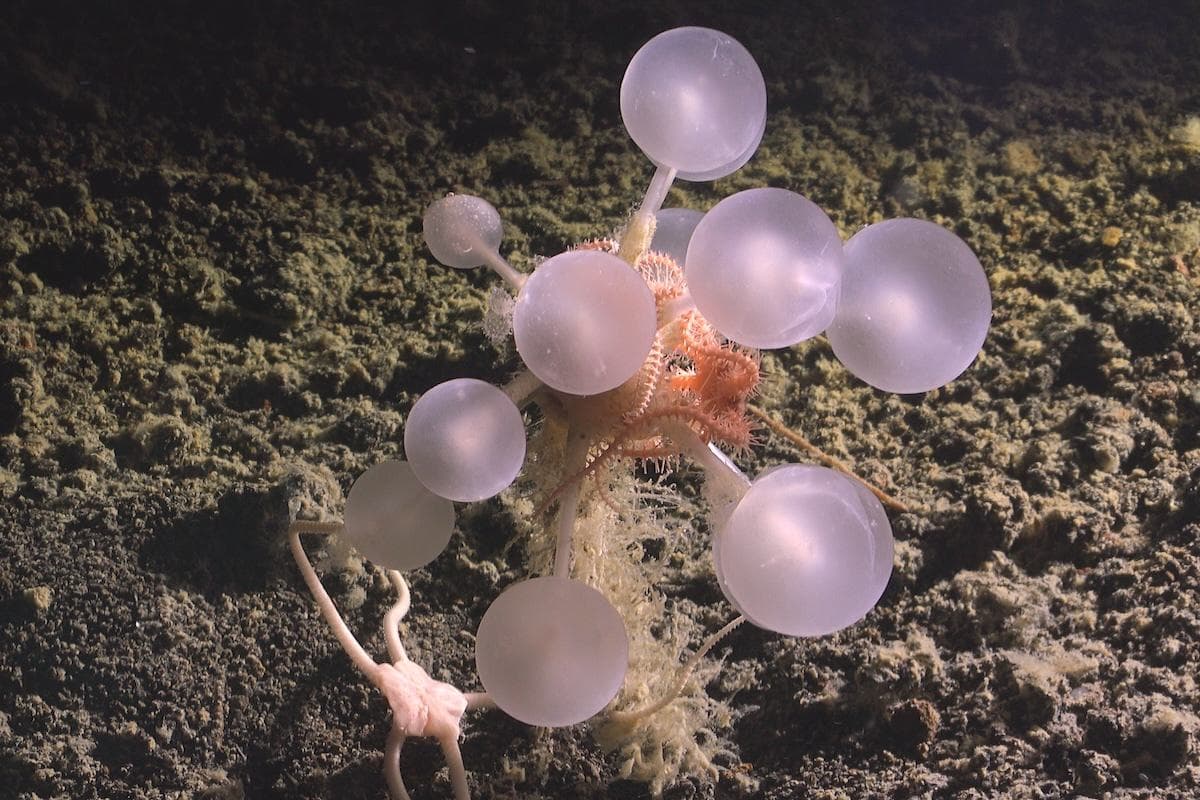
The core facts extracted from this discovery include the identification of 30 new species in the Southern Ocean, including unique creatures like the carnivorous “death ball” sponge and glowing scale worms.
The exploration took place in geographically diverse sites such as deep-sea trenches, dormant volcanoes, hydrothermal vents, and recently exposed seafloor due to ice shelf calving.
Primary stakeholders include marine biologists, conservationists, and the scientific community involved in ocean research, while secondary stakeholders span pharmaceutical companies, policymakers, and coastal communities reliant on ocean health.
Immediate impacts involve expanding biodiversity records and potential shifts in conservation priorities, while the documentation of previously unseen ecosystems could disrupt existing marine management frameworks.
Historical parallels can be drawn to the discovery of deep-sea hydrothermal vent communities in the late 1970s, which revolutionized understanding of life’s adaptability and spurred new research frontiers.
Optimistic future scenarios highlight innovations in biotechnology and conservation arising from these new species, whereas risk scenarios warn of habitat loss and the erosion of biodiversity without proper protections.
From a regulatory standpoint, three priority recommendations include enhancing protected area designations in the Southern Ocean with focus on deep-sea habitats, increasing funding for systematic sampling and taxonomic research to accelerate species identification, and fostering international collaboration to enforce sustainable ocean governance.
These actions vary in complexity but collectively promise substantial benefits for biodiversity conservation and scientific advancement.